Delhi pollution: Metro adds 20 weekday trips as GRAP-II measures kick in
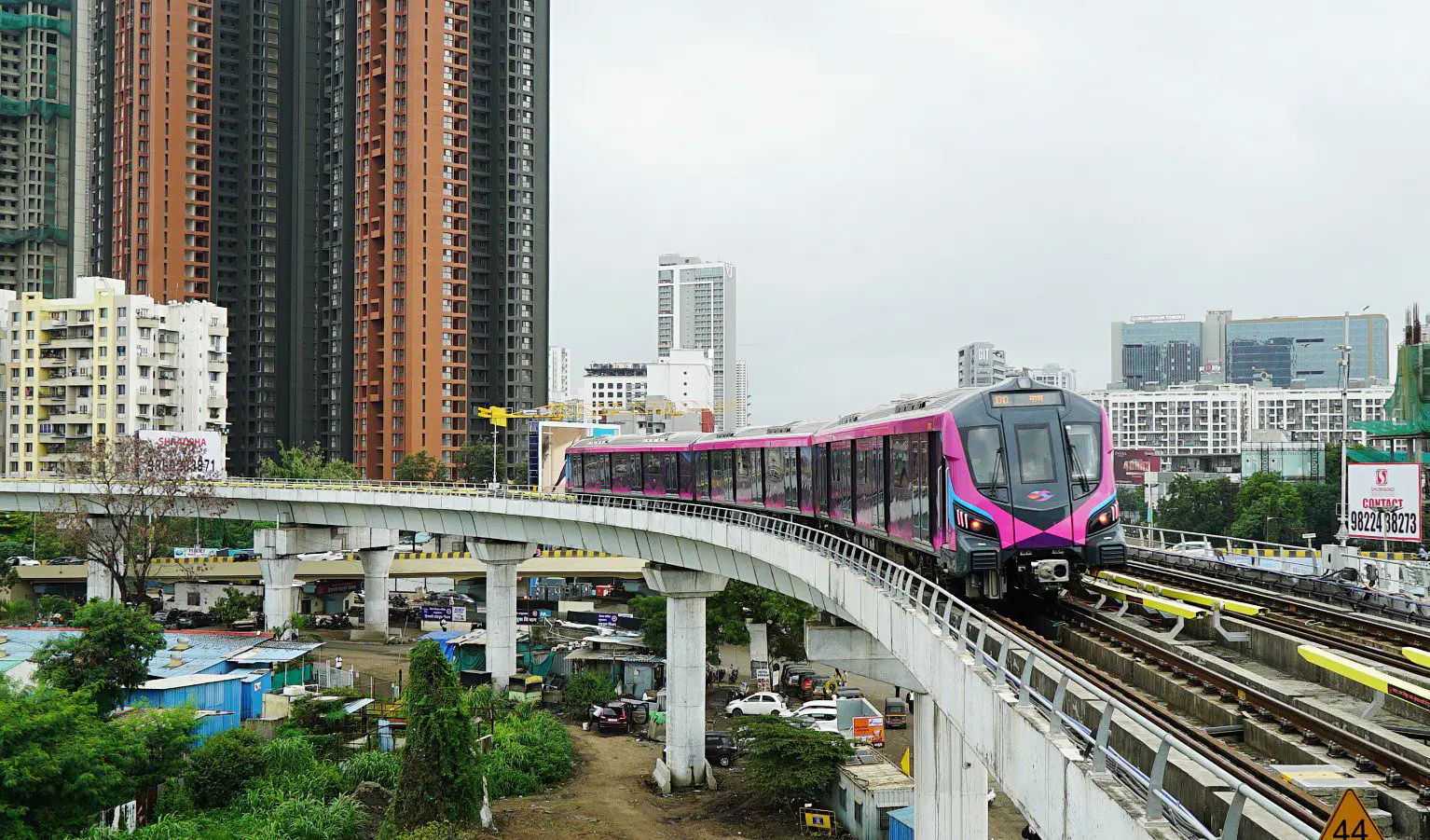
New Delhi: The Delhi Metro Rail Corporation (DMRC) has announced 20 additional weekday train trips across its network following the implementation of GRAP-II in the national capital.
In a service update shared on social media, DMRC said the additional trips would begin from tomorrow, taking the total number of extra trips on its network to 40.
The move is intended to encourage more commuters to use public transport instead of private vehicles, thereby helping reduce vehicular emissions and pollution in Delhi.
DMRC said the increase in services was part of efforts to support the capital's pollution-control measures and make public transport a more accessible option for daily commuters.
What is changing in Delhi Metro services?
According to DMRC, the revised weekday operations will include:
20 additional trips from tomorrow.
The total number of additional trips will increase to 40 across the network.
The additional services will operate on weekdays.
The move is aimed at encouraging commuters to shift from private vehicles to public transport.
The announcement does not specify any changes to regular train timings or services on weekends.
What is GRAP-II?
The Graded Response Action Plan (GRAP) is a set of emergency measures implemented in Delhi-NCR to address worsening air pollution.
GRAP-II is activated when air quality reaches the 'Very Poor' category, with the aim of preventing further deterioration.
Measures under this stage include strengthening public transport services, increasing parking fees to discourage private vehicle use, enhancing road cleaning and dust-control measures, and ensuring adequate power supply to reduce the use of diesel generator sets.
The additional Delhi Metro trips form part of the broader effort to reduce dependence on private vehicles during periods of poor air quality.
Why is Delhi Metro increasing its services?
Vehicular emissions are among the contributors to air pollution in Delhi. Increasing the frequency of public transport can help accommodate more passengers and encourage people to leave their private vehicles at home.
However, the impact of additional metro services depends on commuter response and the availability of convenient public transport connections.
Delhi's pollution levels are also influenced by road dust, construction activity, industrial emissions, waste burning and seasonal factors. Metro expansion alone cannot address all these sources.
The DMRC announcement highlights the role of public transport in Delhi's efforts to control air pollution. More frequent Metro services can make commuting easier and potentially reduce the number of private vehicles on roads.
However, the effectiveness of this measure depends on whether commuters actually switch to public transport. Last-mile connectivity, overcrowding, parking availability and the convenience of Metro stations are important factors influencing travel choices.
GRAP-II combines transport-related measures with restrictions and monitoring in other sectors. The additional Metro trips are therefore one part of a wider pollution-control strategy rather than a standalone solution.