Delhi breathes polluted air again: AQI crosses 320 as Chhath Puja travel picks up
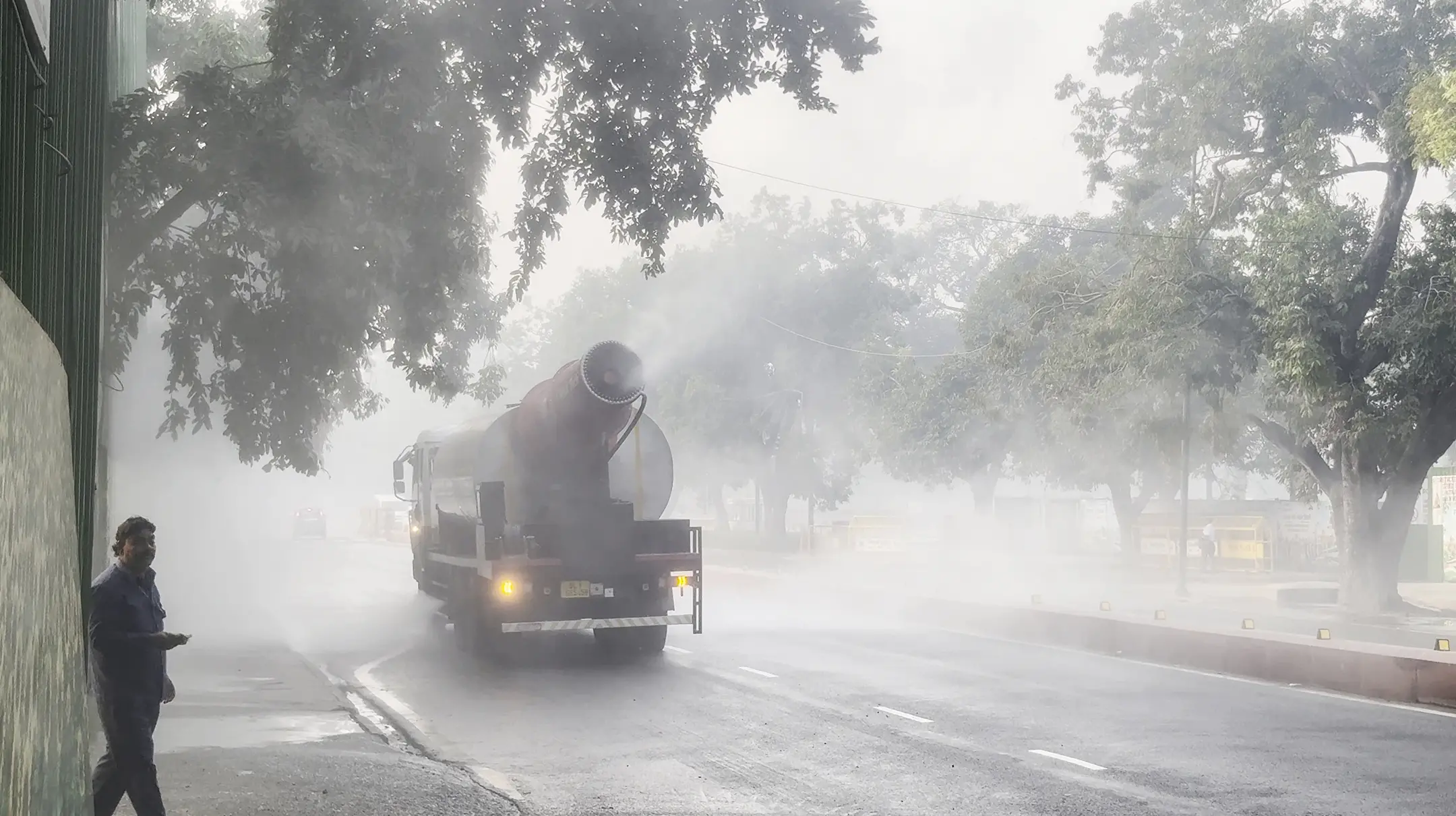
New Delhi: Delhi's air quality slipped back into the 'very poor' category on Thursday, with the national capital recording an average Air Quality Index (AQI) of 321, according to the latest available data. The deterioration follows a brief improvement in pollution levels brought about by increased wind speed on Wednesday.
The worsening air quality comes as the city witnesses increased passenger movement ahead of Chhath Puja. At Anand Vihar, where large crowds gathered to board buses and trains to travel to their hometowns, the AQI stood at 317 on Thursday morning.
The pollution situation had already raised concerns on Wednesday, when the city's average AQI deteriorated from 299 on Tuesday to 313. One monitoring station recorded an AQI above 400, placing it in the 'severe' category.
34 monitoring stations record very poor air quality
Of the 58 air quality monitoring stations that recorded data on Wednesday, 34 reported 'very poor' air quality, while 22 were in the 'poor' category. One station recorded 'severe' pollution, and another reported 'moderate' air quality.
The Delhi Cantonment monitoring station recorded a relatively better AQI of 117 on Wednesday, placing it in the 'moderate' category.
PM10 was the predominant pollutant in the capital on Wednesday. The Air Quality Early Warning System (EWS) for Delhi has also indicated that concentrations of particulate matter, including PM2.5 and PM10, could increase over the following two days.
Transport and stubble burning contribute to pollution
Forecasts from the Indian Institute of Tropical Meteorology (IITM) and Delhi's Decision Support System (DSS) indicate that emissions from the transport sector are expected to remain a major contributor to the city's pollution.
According to the DSS estimates cited in the report, transport accounted for 17% of Delhi's pollution on Tuesday. Stubble burning contributed an estimated 7% on Wednesday, with projections indicating that its share could rise to 20% by Thursday.
Satellite data also detected 927 incidents of crop residue burning across six states on Tuesday. Madhya Pradesh recorded 376 incidents, followed by Punjab with 345, Uttar Pradesh with 119, Rajasthan with 64, Haryana with 14 and Uttarakhand with nine.
The contribution of different pollution sources can vary depending on weather conditions, wind direction and the movement of pollutants into the capital.
What the AQI categories mean
According to the Central Pollution Control Board (CPCB), India's AQI is classified into six categories:
AQI range | Category |
|---|---|
0–50 | Good |
51–100 | Satisfactory |
101–200 | Moderate |
201–300 | Poor |
301–400 | Very poor |
401–500 | Severe |
An AQI of 321 places Delhi in the 'very poor' category. Prolonged exposure to air in this range can cause respiratory discomfort, including breathing difficulties, even among otherwise healthy people. People with existing respiratory or heart conditions may be more vulnerable.
Why Delhi's pollution remains difficult to control
Delhi's annual winter pollution problem is driven by several sources rather than a single factor. Vehicle emissions, industrial activity, construction dust, waste burning and crop residue burning in neighbouring states all contribute to the pollution load.
Weather conditions play an important role in determining how these pollutants accumulate. During winter, lower wind speeds and atmospheric conditions can prevent pollutants from dispersing, allowing particulate matter to remain concentrated near the surface.
The latest figures underline the temporary nature of improvements in Delhi's air quality. Stronger winds may bring down pollution levels for a short period, but emissions from local sources and the movement of pollution from neighbouring states can push AQI readings up again.
The rise in stubble-burning incidents is another factor to watch. However, the relative contribution of farm fires should not be considered in isolation, as transport and other local emission sources continue to affect the capital's air quality.
With Chhath Puja approaching, the deteriorating air quality also raises concerns for commuters and people spending extended periods outdoors. The coming days will be important in determining whether weather conditions and pollution-control measures can prevent a further deterioration.