Deficit monsoon hits harvest; Minister warns of major food crisis: What move is India weighing?
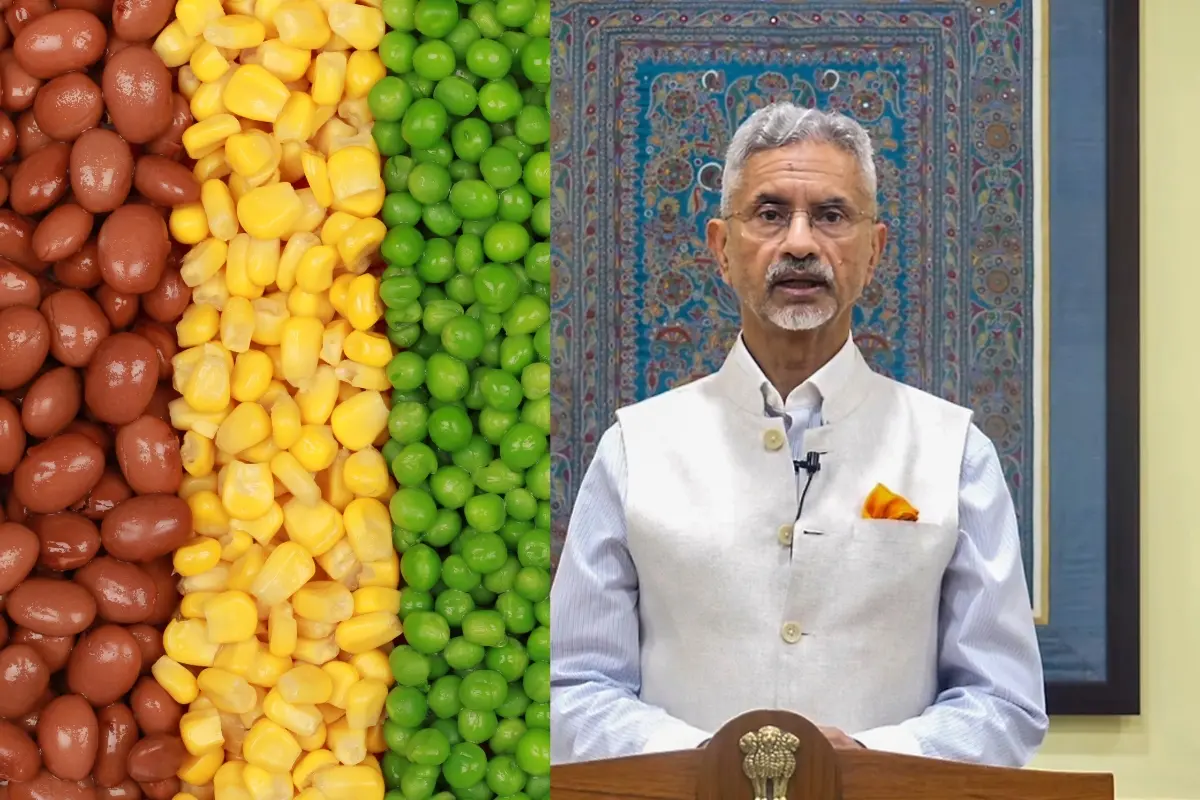
India is contemplating a reduction in import tariffs on selected pulses to stabilise domestic food supplies and tame rising prices. The move follows a patchy June-to-September monsoon season, during which key agricultural states experienced rainfall deficits of up to 30 per cent below average. Because pulses are predominantly grown in rain-fed regions, official estimates point to a sharp drop in domestic harvest volumes this year.
As the world's largest producer, consumer, and importer of pulses, India relies heavily on international shipments to fill the gap between local harvest and national demand. In the 2024–25 period, imports made up roughly 23 per cent of total national consumption, totaling 7.3 million tonnes alongside a domestic production of 25.7 million tonnes. Main overseas suppliers include Australia, Canada, Russia, Myanmar, and several African nations.
With household demand rising sharply ahead of the upcoming festive season, retail food inflation reached 5.95 per cent in August. Price growth for essential legumes remained elevated, with pigeon pea inflation recorded at 5.6 per cent and black gram at 7.4 per cent year-on-year.
Trade measures planned to ease market pressure
According to a Reuters report published on Thursday, government officials and industry sources indicated that tariff cuts could target yellow peas and lentils. Currently, India levies a 10 per cent import tax on red lentils and 30 per cent on yellow peas. Meanwhile, duty-free imports for pigeon peas and black gram are already permitted until March 2027.
Chickpeas, which currently carry a 10 per cent duty, are expected to be excluded from new tax cuts. Officials aim to maintain chickpea tariffs to protect domestic farmers and encourage expanded planting during the upcoming October sowing season. The proposed market intervention forms part of a broader government strategy to shield household budgets. New Delhi has already reduced import duties on edible oils and adjusted sugar export rules to contain living costs.
Global supply disruptions exacerbate domestic crunch
Speaking in New York on Monday, External Affairs Minister S. Jaishankar warned that ongoing international conflicts in Ukraine and the Middle East are compounding economic distress across developing economies. He highlighted that hostilities are disrupting energy supplies and blocking major grain shipments through the Black Sea.
Furthermore, global fertiliser production shortages and adverse climate events threaten to trigger a wider international food crisis in the coming months. Jaishankar urged major world powers to exercise common sense and responsibility to prevent vulnerable populations from suffering collateral economic damage.