Did PM Modi release VanDyke under US pressure? Congress raises questions after US national flies home
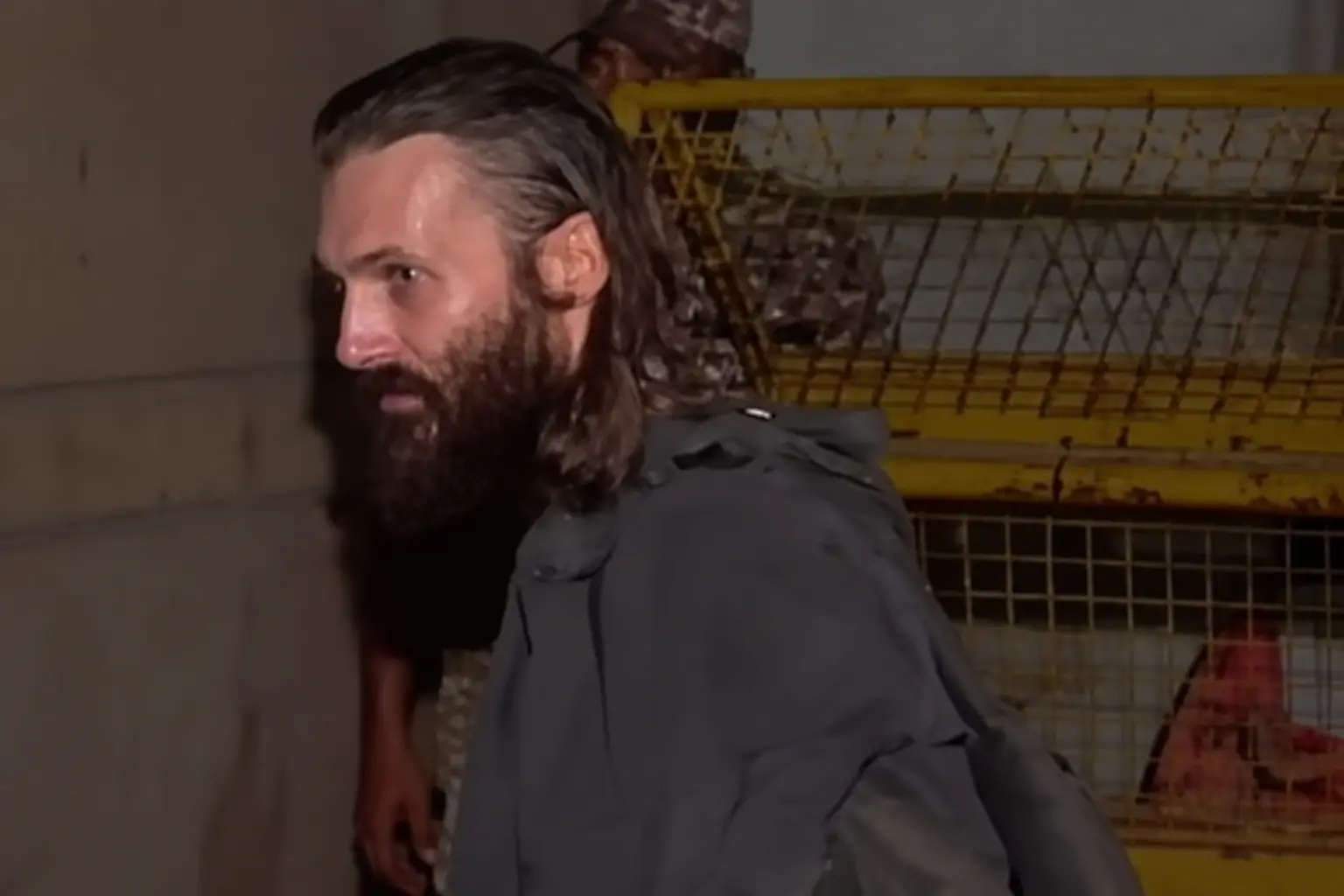
A US national accused by the National Investigation Agency (NIA) of involvement in a wider conspiracy linked to armed groups in India and Myanmar has left for Washington, prompting the Congress to question whether American pressure influenced his release.
Matthew VanDyke boarded a flight to the US on Friday night, a day after a special NIA court permitted him and six Ukrainian nationals to leave Tihar Jail and return to their respective countries for a month.
The Congress has seized on VanDyke's departure to launch a fresh attack on the Narendra Modi government, with party leaders questioning how the government handled a case that initially involved allegations under the Unlawful Activities Prevention Act (UAPA).
Congress general secretary Jairam Ramesh alleged that the government's decision raised serious questions about national security and India's dealings with Washington.
He also sought to link VanDyke's release to concerns reportedly raised by US officials during Secretary of State Marco Rubio's May visit to India.
Ramesh, in a post on X, recounted that VanDyke and other foreign nationals were arrested by the NIA on March 13 over allegations of conspiring to carry out terrorist activities.
According to the Congress leader, an NIA court submission three days later alleged that the accused had supported anti-India insurgent groups and had admitted to abetting terrorist activities.
The case subsequently took a different turn. The NIA did not invoke UAPA provisions against VanDyke in its first chargesheet, although the agency maintained that its investigation under the anti-terror law was still underway.
Ramesh questioned the circumstances surrounding the US national's release, asking whether American pressure had influenced the government's decision.
'Obviously US pressure determined this outcome, but what did India get in return?' he said, while also questioning how the foreign nationals had obtained visas and travelled through India to Myanmar in the first place.
Congress MP and party communications chief Pawan Khera also attacked the government over VanDyke's return to the US. He alleged that VanDyke had entered Mizoram without the required permit, crossed into Myanmar and provided weapons training to armed groups before returning to India.
Khera contrasted his departure with the treatment of Indian nationals deported from the US, saying VanDyke had been sent back 'as though he were a state guest'.
VanDyke and the six Ukrainian nationals were released from Tihar after the special NIA court permitted them to travel home for a month to meet their families, subject to stipulated conditions and completion of formalities.
They had been granted default bail in connection with immigration-related offences.
The NIA has maintained that the seven foreign nationals were being investigated in connection with an alleged broader conspiracy involving assistance to ethnic armed groups in India and Myanmar, including the alleged imparting of drone-warfare training.
The Congress has now turned VanDyke's departure into a larger political question, demanding answers from the government over both the handling of the case and the circumstances that enabled the foreign nationals to travel through India to Myanmar.