Commercial LPG hike explained: Why your restaurant bill and food delivery could get costlier
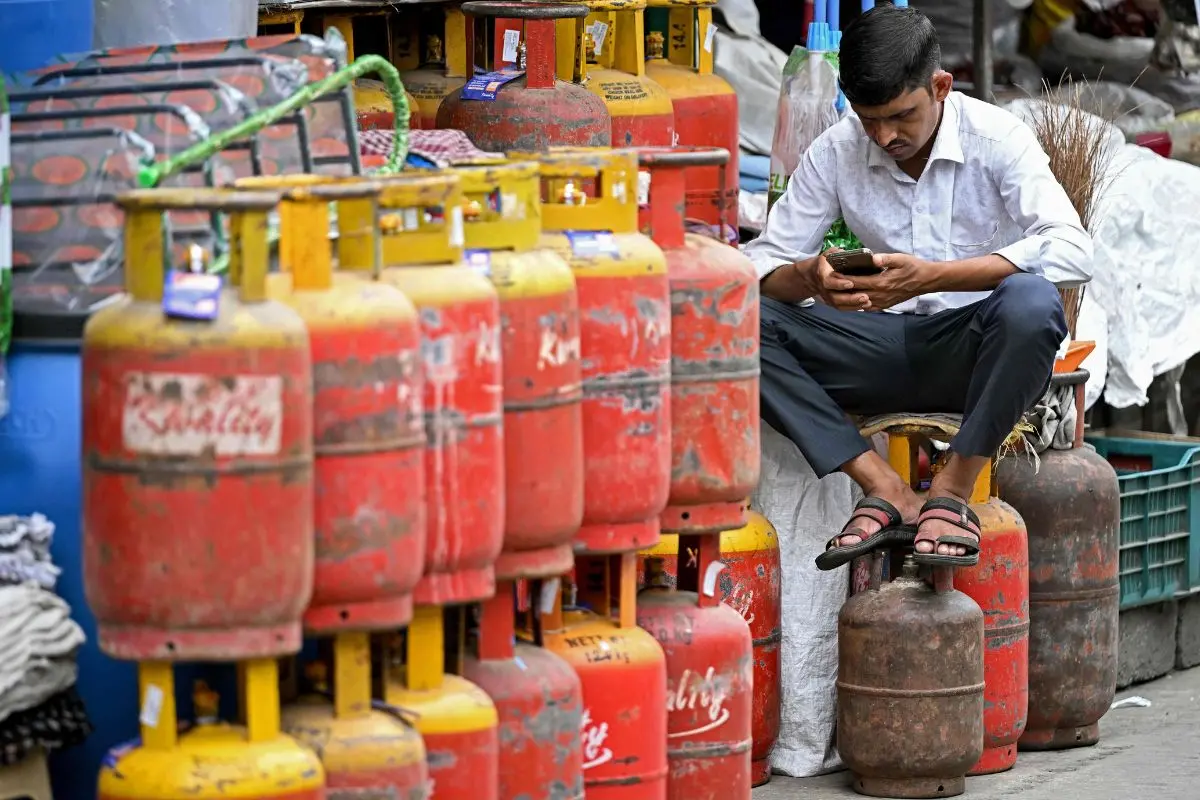
Commercial LPG cylinders have become costlier by around ₹10 from September 1, while jet fuel prices for domestic airlines have risen by more than 5%, adding to fuel costs for businesses and the aviation sector.
State-run oil marketing companies have increased the price of 19-kg commercial LPG cylinders across major cities.
In Delhi, the price has risen by ₹9.50 to ₹2,747.50 per cylinder. The price of a 5-kg free trade LPG cylinder has also increased by ₹2 to ₹764.
The revised prices in other major cities are:
- Kolkata: ₹2,884, up ₹11.50
- Mumbai: ₹2,701, up ₹9.50
- Chennai: ₹2,916.50, up ₹10.50
The latest increase follows two consecutive cuts in July and August.
LPG prices had fallen sharply earlier
Commercial LPG prices were reduced substantially during the previous two months.
The 19-kg cylinder price was cut by ₹183.50 in July and another ₹192 in August.
The September increase therefore partly reverses those earlier reductions.
Importantly, domestic LPG cylinder prices for household consumers remain unchanged in the latest revision.
Why has commercial LPG become costlier?
The latest increase comes amid higher international LPG prices.
Over the past month, benchmark Saudi Contract Prices rose by $5 per metric tonne for propane and $20 per metric tonne for butane.
International LPG prices are particularly important for India because the country imports a substantial portion of its requirement.
India imports about 65% of its annual LPG consumption of around 33 million tonnes, according to the figures cited in the report.
West Asia war adds to LPG supply pressure
The disruption caused by the West Asia conflict has affected LPG supplies and trade flows.
Before the conflict, around 90% of India's cooking gas imports came from West Asia, with Qatar, Saudi Arabia, the UAE and Kuwait among the major suppliers.
During the conflict, the United States emerged as India's largest LPG supplier.
The disruption has also increased the financial pressure on state-run oil marketing companies.
According to the figures cited in the report, their under-recoveries from selling domestic cooking gas had crossed ₹59,000 crore as of July 31, compared with around ₹51,000 crore at the end of June.
Restaurants may pass on higher costs
The ₹10 increase in commercial LPG prices adds to the cooking expenses of restaurants, cafés and food businesses. While the hike alone may not immediately raise menu prices, businesses could pass on higher costs if fuel prices remain elevated.
Food delivery and hotels could feel the impact
Hotels, catering businesses and large kitchens that use more LPG could face a bigger increase in operating costs. Food delivery prices may also rise indirectly if restaurants increase menu prices to offset higher cooking and other business expenses.
LPG consumption remains significant
India's LPG demand also remains substantial.
Provisional data from the Petroleum Planning & Analysis Cell showed LPG consumption at around 2.37 million tonnes in July, the highest level in six months.
Consumption increased about 8% month-on-month, although it was nearly 16% lower year-on-year.
The figures underline India's continuing dependence on LPG despite efforts to diversify household and commercial cooking fuels.
Jet fuel prices jump 5.46%
Oil marketing companies have also raised aviation turbine fuel prices.
In Delhi, ATF has increased by ₹6.28 per litre, or 5.46%, to ₹121.28 per litre.
ATF prices had already increased by ₹5 per litre in August following a reduction in July.
The latest increase comes as airlines continue to face pressure from fuel costs.
Why ATF prices matter for air travellers
Jet fuel is one of the largest operating expenses for airlines, accounting for roughly 40% of their overall operating costs.
A sustained increase in ATF prices can therefore put pressure on airline operating margins.
The impact on passengers is not necessarily immediate or uniform because airlines also consider demand, competition, aircraft utilisation, exchange rates and other operating expenses when setting fares.
What the latest fuel hikes mean
The September price changes affect two different parts of the economy.
The commercial LPG increase directly affects businesses that use larger cylinders, including restaurants, hotels and other establishments. Higher fuel costs can add to their operating expenses.
The ATF increase affects airlines through higher operating costs and could add to pricing pressure if elevated fuel costs persist.
For households, however, the immediate impact is different because domestic LPG prices have not been increased in this revision.
The latest price increases highlight India's exposure to international energy markets.
Commercial LPG prices respond more directly to global LPG costs because India imports a large share of its requirement. The disruption of traditional West Asian supply routes has added another layer of uncertainty to the market.
The increase also comes after steep commercial LPG price reductions in July and August, meaning the latest revision needs to be viewed against those earlier cuts rather than in isolation.
ATF presents a separate challenge for the aviation industry. With fuel accounting for a significant share of airline operating costs, sustained increases can affect profitability and potentially put pressure on airfares.
The larger policy challenge is reducing India's exposure to external energy shocks. Greater diversification of LPG suppliers, alternative cooking technologies and improved energy efficiency could help reduce the impact of future disruptions.