Commercial LPG allocation hiked to 50%: Relief for restaurants & hotels
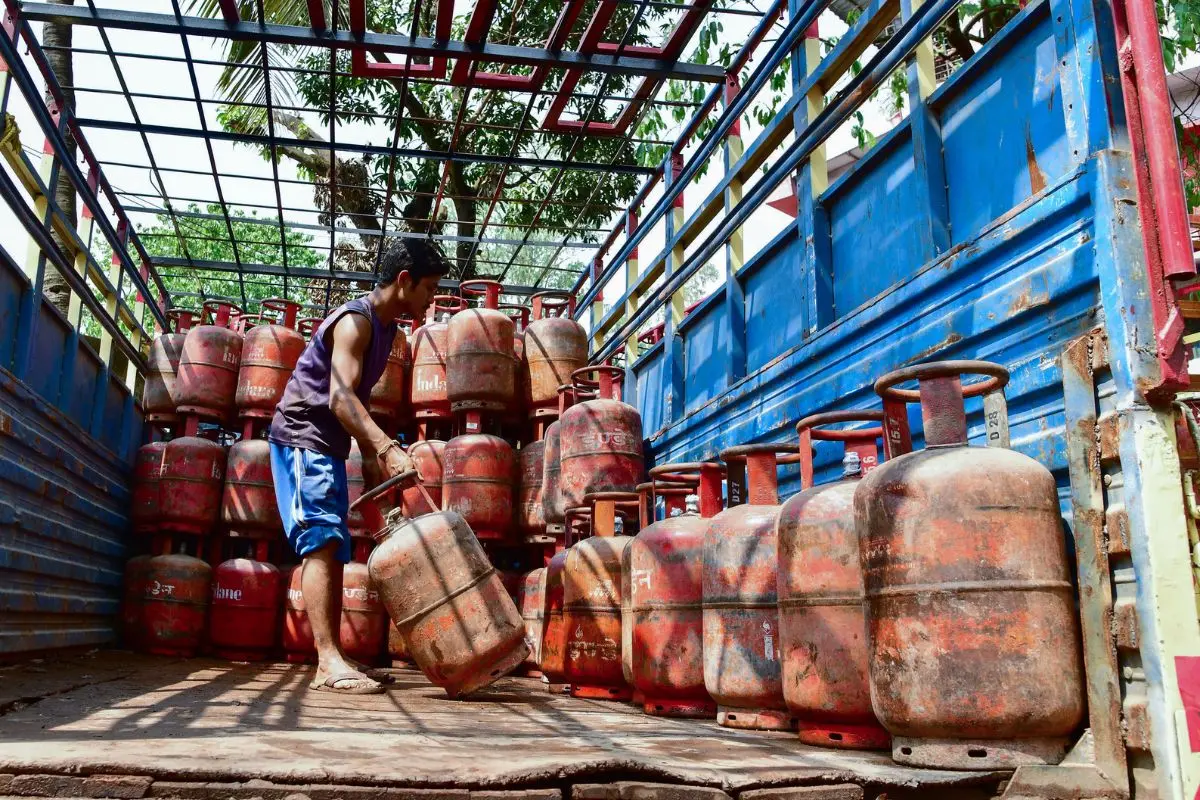
New Delhi: The Government of India announced on Saturday a major increase in commercial LPG quotas. By authorising an additional 20% allocation to States and Union Territories, the total supply has now reached 50% of the standard requirement. This decision comes as a relief to businesses that have been grappling with supply chain uncertainties fueled by recent geopolitical tensions.
The Ministry of Petroleum and Natural Gas confirmed that this tiered approach, which includes a 10% bonus for states successfully implementing Piped Natural Gas (PNG) reforms, is designed to prioritise essential services while ensuring that the "engine of the economy" remains fueled.
Which businesses will benefit from the new 20% LPG quota?
The additional 20% allocation is specifically earmarked for the backbone of the service industry. This includes high-traffic establishments such as restaurants, dhabas, hotels, and guest houses. Furthermore, industrial canteens, food processing units, and dairy industries have been placed on the priority list. The government has also made special provisions for public welfare outlets, including community kitchens and subsidised canteens run by local bodies. To support the mobile workforce, the 5 kg FTL (Free Trade LPG) cylinders intended for migrant labourers will also receive a priority supply boost.
How is the government prioritizing hospitals and schools?
While the new allocation focuses on the broader commercial sector, the government has maintained a "safety-first" hierarchy. Currently, around 50% of the total available commercial LPG is being funnelled directly into educational institutions and hospitals. These sectors remain at the top of the priority chain to ensure that healthcare and student nutrition programs are never compromised, even as supply remains a secondary concern due to global shipping disruptions.
What is the current status of petrol and diesel stocks in India?
Addressing rumours of fuel "dry-outs" at retail outlets, the Ministry of Petroleum and Natural Gas has issued a stern clarification. All domestic refineries are currently operating at high capacity with more than adequate crude inventories in place. The government has officially reiterated that there is no shortage of petrol or diesel. Officials are urging the public to avoid "panic buying," noting that the recent surge in bookings was largely psychological rather than based on a physical deficit in the country’s fuel reserves.
The scale of the recovery is evident in the latest data from PSU oil marketing companies. In the last seven days alone, commercial entities across various States and UTs have uplifted approximately 13,479 MT of LPG. With 20 states already issuing local orders to align with Central Government guidelines, the distribution process has become more streamlined. The implementation of the Delivery Authentication Code (DAC) has further helped in reducing ghost bookings and ensuring that the fuel reaches genuine commercial consumers.
Why is the government linking LPG supply to PNG expansion?
A key part of the 50% total allocation is a 10% "incentive" quota. This is awarded to States and Union Territories based on their progress in "Ease of Doing Business" reforms, specifically related to Piped Natural Gas (PNG). By linking supply to these reforms, the Center is pushing for a long-term transition away from cylinder-based commercial setups toward a more stable, underground piped network, which is less susceptible to the logistical hurdles currently affecting the LPG market.