‘Is this strength?’: CJP’s Abhijeet Dipke calls PM Modi ‘coward’ over activists’ detention
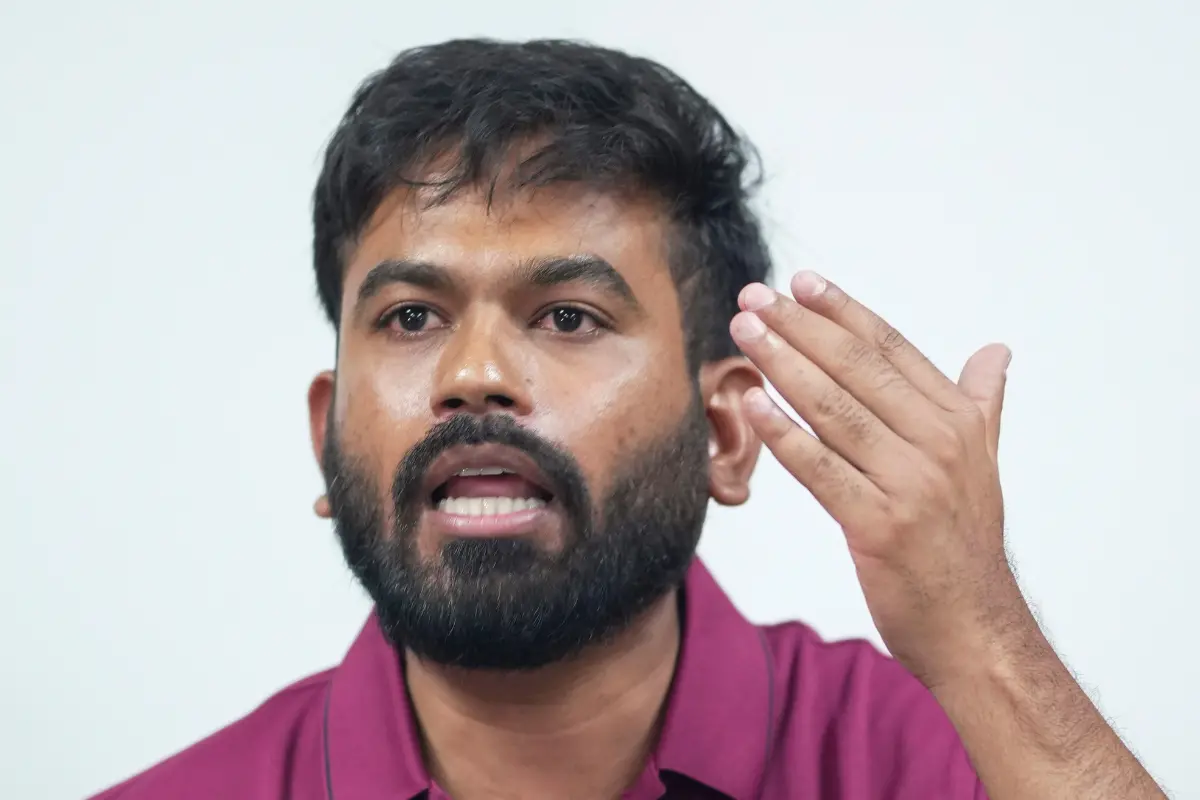
New Delhi: Cockroach Janta Party (CJP) activist Abhijeet Dipke on Monday criticised Prime Minister Narendra Modi over the continued detention of party co-convenors Saurav Das and Ashutosh Ranka, accusing the government of intimidating young protesters and using state machinery against them.
In a video posted on X, Dipke questioned the Prime Minister’s response to the police action against protesters and the extension of judicial custody for Das and Ranka following their demonstration at Jantar Mantar in Delhi.
“Narendra Modi, you must be feeling very strong right now. Keeping a 26-year-old Saurav Das in jail must make you feel very strong. Beating up children on the streets, deploying barricades all across Delhi, and dragging all the students on the streets, you must feel very strong,” Dipke said.
He alleged that repeated adjournments had delayed the legal proceedings involving the detained activists.
“Saurav and Ashutosh went to Jantar Mantar to hoist the Tricolour, for which they were sent to five days of judicial custody, and after that, their hearing wasn't even allowed to take place. On one pretext or another, the hearing was postponed every single day,” he said.
Questioning the use of police and the courts against the protesters, Dipke asked whether keeping the two young activists in custody reflected strength on the part of the Prime Minister.
“Is this strength? Hiding behind the police... hiding behind the courts is this the strength of Narendra Modi?” he said, adding that the state machinery was being used against two young people.
Calling Modi a “coward”, Dipke said the strength shown by Das, whom he described as a 27-year-old who had never imagined going to prison, was a more meaningful example of courage.
“You are just a coward. Let me tell you what real strength is,” he said.
CJP alleges procedural hurdles in bail proceedings
Das and Ranka were taken back into judicial custody from Mandir Marg Police Station in Delhi on Monday after their surety was rejected over an alleged mismatch in documents, their lawyers said.
Ratna Singh, head of legal affairs at CJP, criticised the proceedings, alleging that the activists’ liberty was being curtailed on vague grounds despite repeated attempts to complete the surety verification process.
“For the last six days, we have been saying that one or the other reason is being nitpicked — surety verification has not been done, that an FIR has been lodged against the surety. We saw someone’s liberty being curtailed,” Singh said.
She alleged that a hearing scheduled for 2 pm began only around 3-3.30 pm and lasted about an hour. Singh said the legal team would challenge the decision, describing the continued detention as “mental torture” and an attempt to stifle dissent.
“There was nothing presented from the other side which said that there should be an extension of judicial custody. There was no reason to keep them in further judicial custody. They have been sent to judicial custody for a very vague reason,” she said.
Advocate Abhik Chimni, who represents Ranka and Das, also expressed disappointment with the decision. He said the case concerned preventive custody and that the court had sought sureties before the documents were rejected over alleged discrepancies.
“We are very disappointed. This is a matter of preventive custody, and it is also a matter of fact that the court itself said that they don't deem it necessary for the person to be sent to judicial custody. That is why they asked for the surety,” Chimni said.
He added that the legal team had faced objections to successive sureties.
Why were the CJP activists arrested?
Delhi Police arrested Das, Ranka and others on October 12 for allegedly trespassing at Jantar Mantar, which had been de-notified as a designated protest venue.
Following their arrest, Das and Ranka were remanded to five days of judicial custody. Their continued detention and the subsequent rejection of their surety have drawn criticism from CJP representatives, who allege that the proceedings are being used to suppress dissent.