‘Every town and street in India knows what mediation is’: CJI on legal transformation
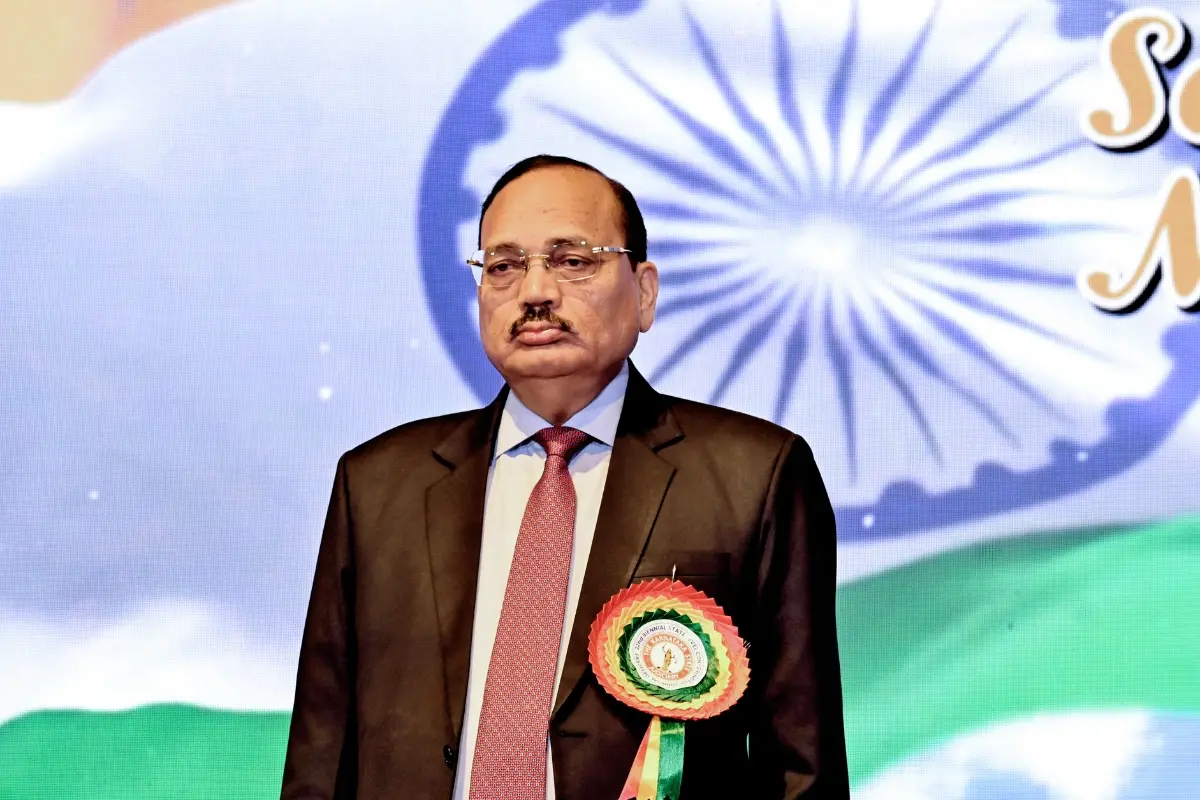
New Delhi: Chief Justice of India Surya Kant has said that the Indian judiciary has successfully transformed mediation from an alternative dispute resolution process into a widely accepted and robust mechanism for resolving conflicts.
Speaking at a high-level panel discussion in London, the CJI highlighted the growth of mediation in India, the impact of recent legal reforms, and the advantages of mediation over arbitration in certain cases.
Mediation has become widely recognised across India
Speaking during a panel discussion on "Technology and the Future of Mediation" hosted by the Indian High Commission in London, Justice Surya Kant said mediation has gained widespread acceptance among the public and legal community.
Stating that mediation was personally important to him, the CJI pointed to the efforts made by judicial institutions to create awareness and build capacity across the country.
"I can say proudly that in every town, in every street (in India) people know what mediation is," the CJI said.
He also noted that the Supreme Court Legal Services Committee (SCLSC) has developed a large network of trained mediators to support dispute resolution efforts.
London discussion brings together legal experts from India and UK
The panel discussion brought together leading judicial and legal figures from both India and the United Kingdom to discuss the future of mediation in an increasingly technology-driven legal landscape.
The panel featured Lord Hamblen of Kersey, Judge of the UK Supreme Court; Kirsty Brimelow KC, President of the Bar Council of England and Wales; and Brett Dixon, Vice President of the Law Society of England and Wales.
Indian High Commissioner Kumaran P delivered the opening remarks, while Supreme Court Advocate-on-Record Tanvi Dubey moderated the discussion.
The event focused on the role of technology in mediation and the growing importance of alternative dispute resolution mechanisms in addressing modern legal challenges.
CJI outlines two phases in India's mediation journey
During the discussion, Justice Surya Kant explained that the development of mediation in India can be broadly divided into two distinct phases — before and after the enactment of the Mediation Act, 2023.
According to the CJI, courts actively encouraged mediation even before the legislation was passed, recognising its value in reducing litigation and helping parties reach mutually acceptable settlements.
Referring to his experience as a high court judge in 2004, he recalled the establishment of mediation centres at various levels of the judiciary, including trial courts, high courts and the Supreme Court.
He said these early initiatives helped lay the foundation for the structured mediation framework that exists today.
Mediation Act, 2023 marks a major milestone
Justice Surya Kant described the Mediation Act, 2023 as a landmark development in India's legal system and the result of years of judicial and legislative efforts.
"The Mediation Act, 2023 is the culmination of a statutory and judicially created regime that has evolved over decades," he said.
The legislation provides a formal legal framework for mediation in India and seeks to encourage faster, more cost-effective dispute resolution outside traditional courtroom proceedings.
The law is widely regarded as a significant step towards institutionalising mediation and reducing the burden on courts.
Training and awareness programmes strengthen mediation culture
The CJI also highlighted several initiatives aimed at building mediation capacity and increasing public awareness.
These efforts include mandatory training programmes for mediators conducted through State Judicial Academies. He also referred to the role played by the National Legal Services Authority (NALSA) and Lok Adalats in familiarising citizens with consensual dispute resolution mechanisms.
Over the years, legal services institutions have organised awareness campaigns and settlement drives to encourage individuals to resolve disputes through dialogue rather than prolonged litigation.
Mediation and arbitration both have a role to play
Responding to a question about whether mediation should be preferred over arbitration, Justice Surya Kant emphasised that both mechanisms serve important functions within the legal system.
"I do not discourage arbitration," he said.
The CJI observed that growing commercial relationships between countries naturally generate disputes, making efficient dispute resolution systems increasingly important.
However, he argued that mediation should often be the first option because it is generally less expensive, quicker and more effective at preserving long-term commercial relationships.
Key difference between mediation and arbitration
Explaining the distinction between mediation and arbitration, Justice Surya Kant said arbitration awards frequently lead to further legal proceedings, while successful mediation typically brings disputes to an end.
"In arbitration, the passing of an award is often the beginning of further litigation. In mediation, once the process is successfully concluded, it brings closure to the dispute. That is the beautiful difference between mediation and arbitration".
The CJI suggested that this ability to provide finality and preserve relationships makes mediation particularly valuable in both commercial and personal disputes.
Background: India's push towards alternative dispute resolution
India has increasingly promoted alternative dispute resolution (ADR) mechanisms such as mediation, arbitration and conciliation to address judicial delays and reduce the burden on courts.
The Mediation Act, 2023 was enacted to provide legal recognition to mediated settlement agreements and create a comprehensive framework for mediation proceedings. The law is part of broader efforts to modernise India's justice delivery system and encourage amicable settlement of disputes.
The judiciary, legal services authorities and government institutions have collectively worked to expand mediation infrastructure across the country, making it an integral component of India's dispute resolution framework.
(With PTI inputs)