Chhaava movie, Wikipedia page on Sambhaji: Shivaji Maharaj Jayanti has political hues this time
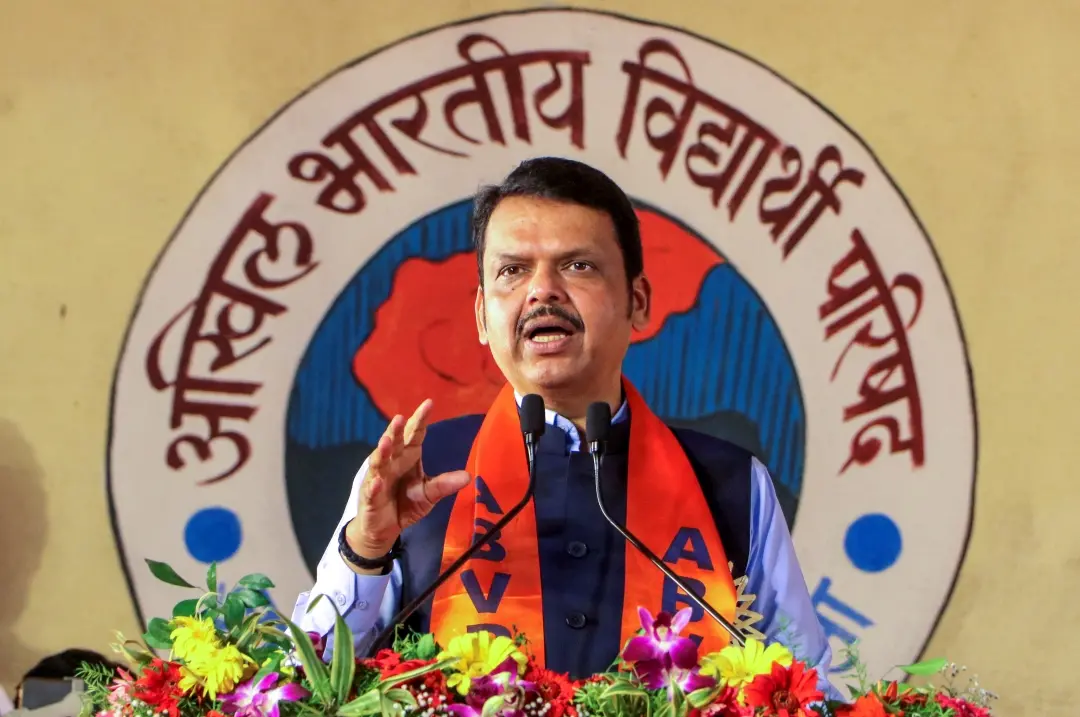
The recently released Hindi film Chhaava, based on the life of Chhatrapati Sambhaji Maharaj, son of Chhatrapati Shivaji Maharaj, has unexpectedly led to controversy. Days after the film’s release, objectionable comments about Sambhaji Maharaj appeared on Wikipedia, sparking outrage. Several organisations in Maharashtra flagged these factual inaccuracies, demanding immediate corrections.
In response to the controversy, Maharashtra Chief Minister Devendra Fadnavis directed the state cyber police to approach Wikipedia and demand the removal of "objectionable" content about Sambhaji Maharaj. He made it clear that the distortion of historical facts on open-source platforms would not be tolerated.
Fadnavis acknowledged that Wikipedia is managed by volunteers with editorial rights and does not operate from India. However, he stressed the need for stricter content regulations to prevent the misrepresentation of historical figures. "We will not tolerate such writings on open-source platforms where historical facts are distorted. I have ordered officials to take the neccassary steps," he said.
He also highlighted the broader challenge of social media regulation, stating that while digital platforms lack geographical jurisdiction, discussions with the Union government would be held to address misinformation. "There is no uncontrolled freedom of expression," Fadnavis asserted, warning against the spread of misleading content.
How does this tie into Shivaji Maharaj Jayanti?
The controversy has emerged amid the 395th birth anniversary celebrations of Chhatrapati Shivaji Maharaj, the founder of the Maratha Empire and father of Sambhaji Maharaj. Grand festivities are underway in Junnar, with Chief Minister Fadnavis, Deputy Chief Ministers Ajit Pawar and Eknath Shinde attending the main event at Shivneri Fort, where Shivaji Maharaj was born.
Fadnavis, speaking at a separate event, emphasised Shivaji Maharaj’s contributions as not just a warrior but also an administrator who implemented key reforms in governance, taxation, and water management. He reiterated his government’s commitment to upholding Shivaji Maharaj’s principles, stating that the Maratha ruler’s legacy remains a guiding force for Maharashtra.