Bharat Bandh today: Major disruptions across India and essential travel tips for 12 February
India is bracing for a nationwide Bharat Bandh on Thursday, 12 February 2026, as a broad coalition of trade unions and farmers’ organisations prepares for a one-day general strike. With disruptions expected across hundreds of districts, authorities have urged commuters, office-goers and travellers to plan their movements carefully to avoid delays.
The strike has been called by more than a dozen national trade unions, several farmers’ groups and employees from key government sectors. According to the All India Trade Union Congress (AITUC), the scale of participation will be substantial. AITUC General Secretary Amarjeet Kaur told PTI that “not less than 30 crore workers will participate in the strike called on February 12 (Thursday).”
Kaur said the impact would be widespread and noted that Odisha and Assam are expected to see a near-complete shutdown. “Odisha and Assam are expected to be completely shut, and other states will see widespread participation,” she said.
Why the strike is being held
The unions have called the nationwide action to oppose recently implemented labour codes, which they say will dilute protections for workers. They are also demanding policy changes affecting rural employment, pensions and education.
Key demands include:
- Withdrawal of the four labour codes
- Restoration of MGNREGS provisions
- Rollback of policies affecting civil services
- Revival of the old pension scheme
- Withdrawal of the National Education Policy (NEP) 2020
Agricultural groups aligned with the Samyukta Kisan Morcha (SKM) have additionally voiced concerns over the India–US interim trade framework, arguing that it could harm domestic farmers.
Advisory for travellers
Authorities and travel agencies are urging commuters to prepare for possible delays. Travellers are advised to:
- Reconfirm railway and airline schedules
- Use private vehicles where feasible
- Avoid protest zones prone to blockades
- Follow local news, traffic advisories and public-service updates
- Allow extra time to reach airports and major transit hubs
For those commuting early in the day, limited public transport may pose difficulties.
Expected impact across states
Union leaders say the bandh will influence activities in more than 600 districts, exceeding last year’s count. While the most severe disruptions are anticipated in Odisha and Assam, other states–including Kerala, Karnataka and parts of West Bengal–are also likely to experience significant slowdowns.
Government offices, public-sector units and various service sectors are expected to be affected. However, essential services such as hospitals, ambulance operations and emergency utilities will continue functioning.
Transport disruption likely
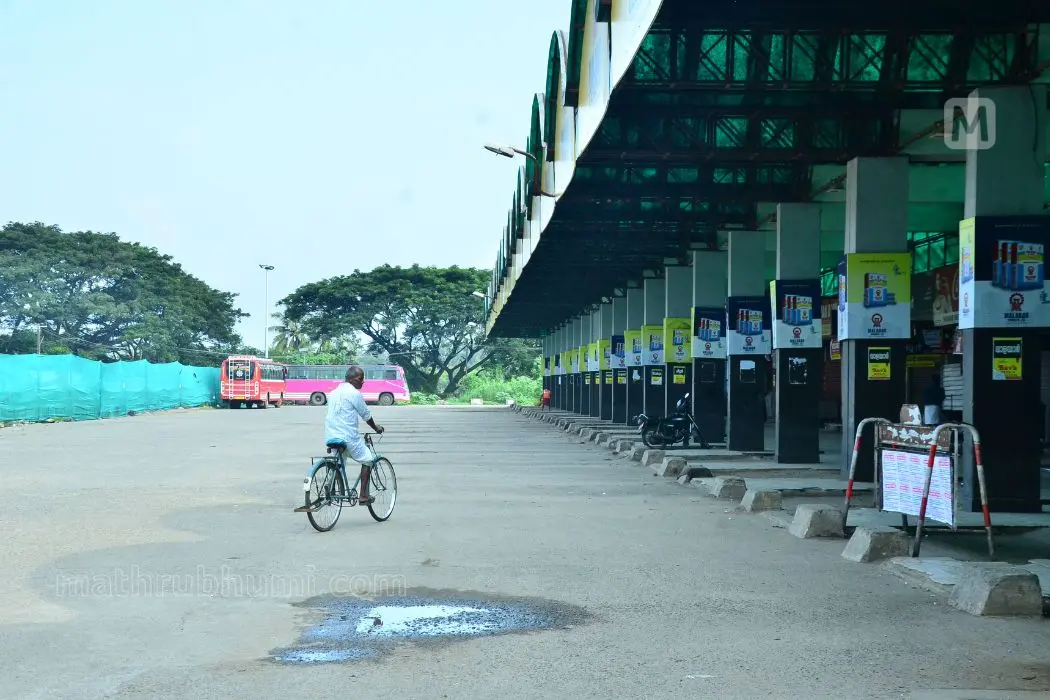
Travellers should expect interruptions to local and state-run transport systems. Bus services, auto-rickshaws and taxis may operate on reduced schedules, particularly in states with strong union mobilisation. Road blockades are possible in several cities, potentially causing delays around protest points.
Train and flight operations are planned to run normally, but reaching airports or railway stations may be challenging due to a shortage of local transport.
Schools, colleges and businesses
There is no countrywide holiday for educational institutions. Even so, schools and colleges in states with strong support for the strike–such as Kerala, Odisha and West Bengal–are likely to remain closed. Parents and students are advised to monitor local notifications.
Markets in major cities and union-heavy regions may also see voluntary closures, with wholesale and retail outlets choosing to shut for the day.
Banks and financial services
Public-sector banking services could be hit as unions representing officers and employees–including AIBEA, AIBOA and BEFI–have backed the strike. While ATMs and essential banking operations will continue, branch-level services may face slowdowns or temporary closures.
(With PTI inputs)