Asia-Pacific to need nearly 20,000 new aircraft by 2045, led by India and China
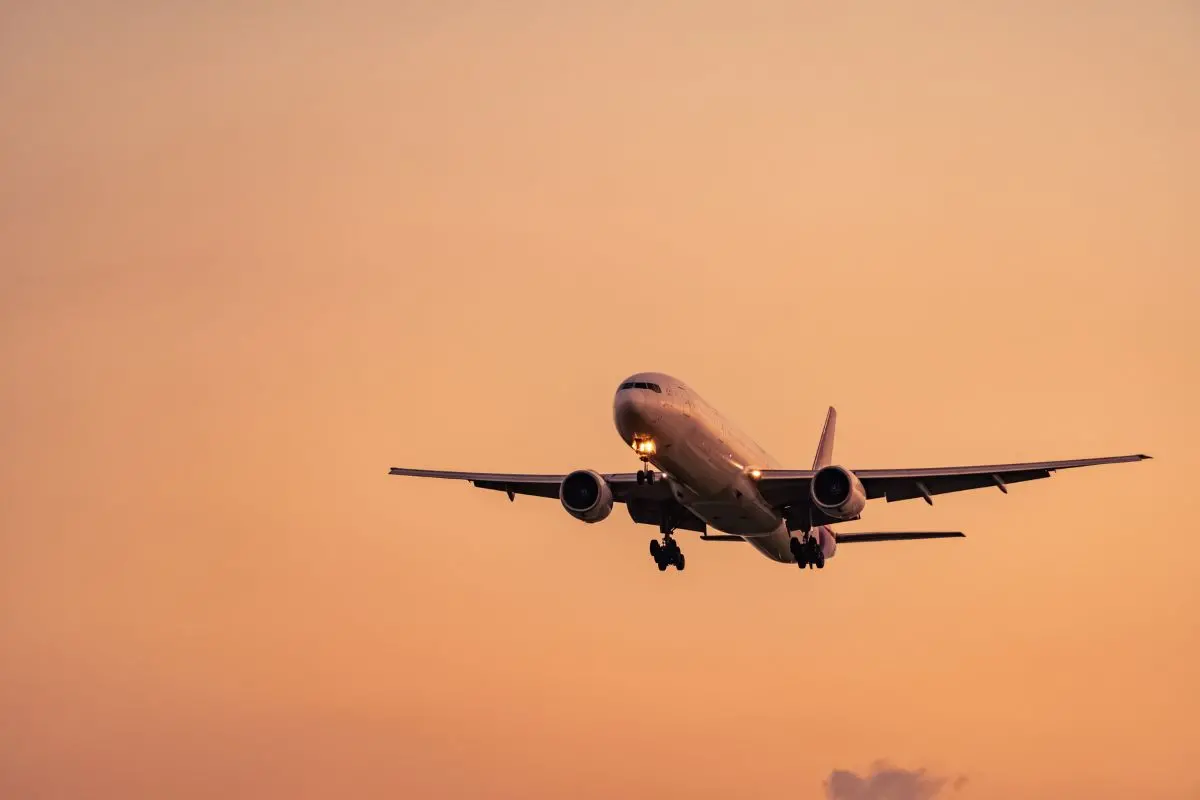
The skies over Asia-Pacific are set to get busier. Airbus has shared a recent forecast that airlines in the region will need 19,560 new aircraft, both narrowbody and widebody over the next 20 years, with India and China driving most of this huge demand.
According to Airbus Asia Pacific President Anand Stanley, rising air travel across the region is the biggest reason. Passenger numbers in Asia-Pacific are expected to grow by 4.4% every year, faster than the global average of 3.6%. For travellers, this means more flights, more routes, and better connectivity, especially within Asia and to the rest of the world.
India has become one of the world’s fastest-growing aviation markets. As millions of Indians take to the skies every year, airlines are expanding rapidly and placing some of the largest aircraft orders globally. This growth is being powered by various factors like strong demand for domestic and international travel, LCCs (low-cost-carriers) adding various routes, upgraded airports and young, growing travelling population.
Airbus expects Asia-Pacific to need about 3,500 widebody aircraft. These are large planes used for long-haul international flights. Asia-Pacific alone will account for 43% of the world’s demand for wide-body jets and 16,100 single-aisle aircraft. These narrowbody planes are commonly used for short to medium-haul routes. The region will make up 47% of global deliveries in this category.
This means nearly half of all new aircraft delivered globally in the next two decades will be flying in and out of Asia-Pacific airports.
Airbus says that 68% of the new aircraft will be added for expanding fleets, while the remaining 32% will replace older jets. This replacement cycle will help airlines cut emissions, because newer aircraft are far more fuel-efficient.
Airbus pointed out that its latest generation of widebody aircraft offers up to 25% better fuel efficiency and lower carbon emissions in good news for sustainability-conscious travellers.
For everyday flyers, this huge upcoming fleet expansion could mean more flight choices and competitive fares, new international routes opening up, better in-flight experiences, modern, quieter, and more fuel-efficient aircraft and improved punctuality and reliability with younger fleets
From growing passenger numbers to the rise of low-cost carriers and strong airport expansion, the Asia-Pacific region is entering a “new phase of exciting growth,” Stanley said.
With India and China leading the way, the region is expected to remain one of the world’s most dynamic aviation markets through 2045.