Black box from Ahmedabad Air India crash under Indian investigation, says ministry
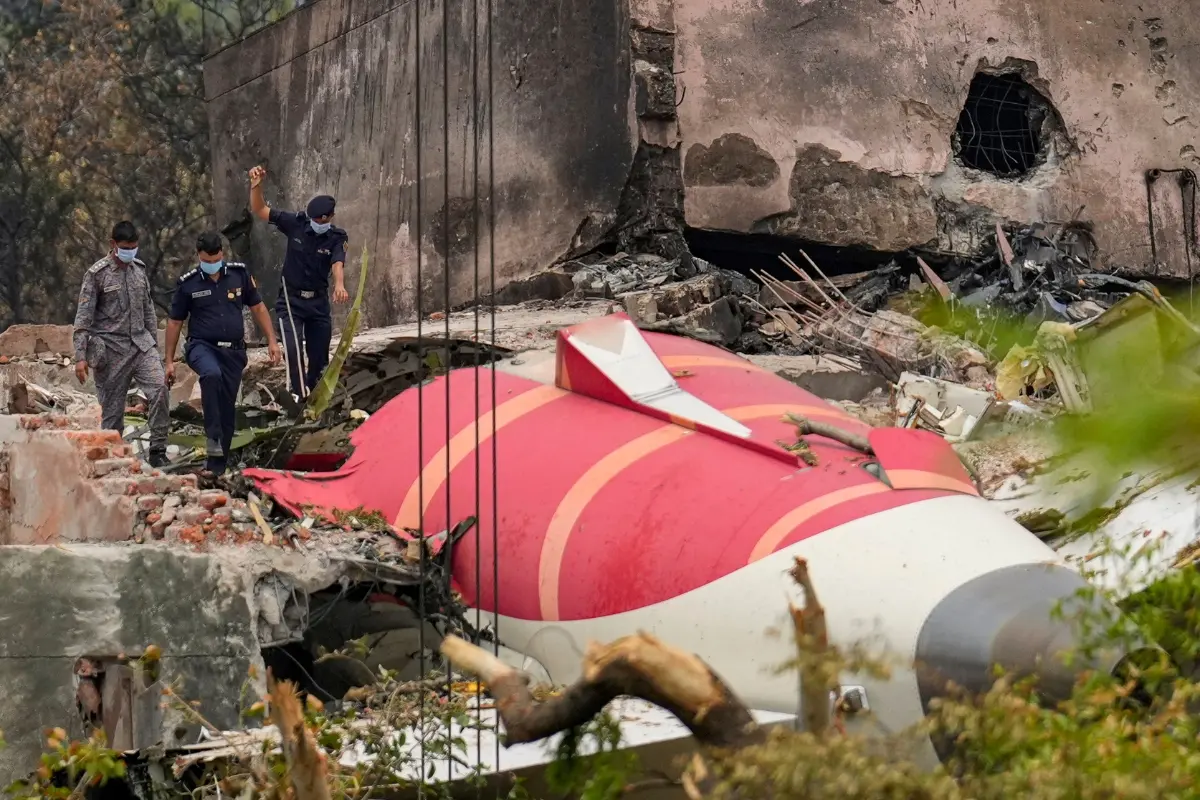
In response to circulating speculation that the flight recorders from the June 12 Air India Boeing 787‑8 crash might be sent abroad for analysis, Civil Aviation Minister Ram Mohan Naidu has firmly confirmed that both black boxes are in India and are being examined by the Aircraft Accident Investigation Bureau (AAIB).
The London-bound Dreamliner, operating as Flight AI 171, tragically crashed mere seconds after taking off from Ahmedabad's Sardar Vallabhbhai Patel International Airport. The aircraft collided with a hostel building near BJ Medical College, resulting in 241 fatalities onboard, 39+ ground deaths, and one confirmed survivor.
The first black box was retrieved on June 13, with the second recovered days later, both critical to reconstructing the final moments before impact.
AAIB leads comprehensive investigation
Addressing reporters at the Helicopters & Small Aircraft Summit in Pune, Minister Naidu emphasized: “It is all speculation. The black box is very much in India and it is currently being investigated by the Aircraft Accident Investigation Bureau (AAIB).” He underscored the complexity of the decoding process: “This is a very technical matter. Let the AAIB conduct the probe and go through the entire process.”
The minister described decoding the black box data, comprising both Cockpit Voice Recorder (CVR) and Flight Data Recorder (FDR) as essential to revealing a detailed insight into what transpired in the critical moments before the crash.
What are the recorders on hold
CVR: Typically captures cockpit communications, ambient sounds, radio exchanges, and system alerts. The aircraft, delivered in 2014, likely featured the older 2-hour capacity recorder (the 25-hour mandate came into force in 2021).
FDR: Logs essential flight parameters—altitude, speed, heading, control inputs—with modern DFDRs capable of storing thousands of data points over extended periods.
This crash appears to be the first fatal incident involving the 787 globally since its introduction in 2011
International support, domestic ownership
While a multi-agency team is probing technical causes such as engine performance, flap operations, landing gear status and global partners (including the U.S. NTSB, U.K. CAA, and Boeing) are assisting, final black box analysis remains under Indian jurisdiction.
Earlier media speculation suggested potential involvement of the U.S. NTSB or U.K.’s AAIB due to damage severity. However, Minister Naidu clarified that: “The black box is very much in India… it is currently being investigated by the AAIB.”
India has commissioned a INR 9 crore Delhi-based lab (built with HAL’s help) to decode flight recorders. Despite initial hopes for quick in-house processing, some damage has compelled officials to keep international options under technical review.
Timeline & wider implications
A high-level committee, chaired by the Home Secretary, has been constituted. It holds access to all data sources like the flight logs, ATC communications, maintenance histories, and witness statements and is mandated to submit a final report within three months.
A preliminary report may emerge sooner, with the final report expected within a year, aligning with ICAO norms.
Concurrently, the DGCA has launched an audit of Air India, intensified inspections of its Dreamliner fleet, and issued safety directives for Boeing 787‑8/9 aircraft—reflecting elevated regulatory vigilance post-crash.
Why it matters
This tragedy, India's most severe air disaster in over a decade has intensified scrutiny on airline safety, fleet integrity, and crash response protocols. As families await closure, the domestic handling of black box decoding highlights India’s commitment to autonomy and transparency in civil aviation investigations.
It also shines a spotlight on the new AAIB lab’s capabilities and its readiness to manage rare, high-impact incidents.
As the nation mourns, the AAIB-led investigation remains the key to reopening discussions on safety standards, future reforms, and restoring public trust in Indian aviation.