Doctor-turned-terrorist , 26/11 Mumbai attack mastermind: Who is Tahawwur Rana?
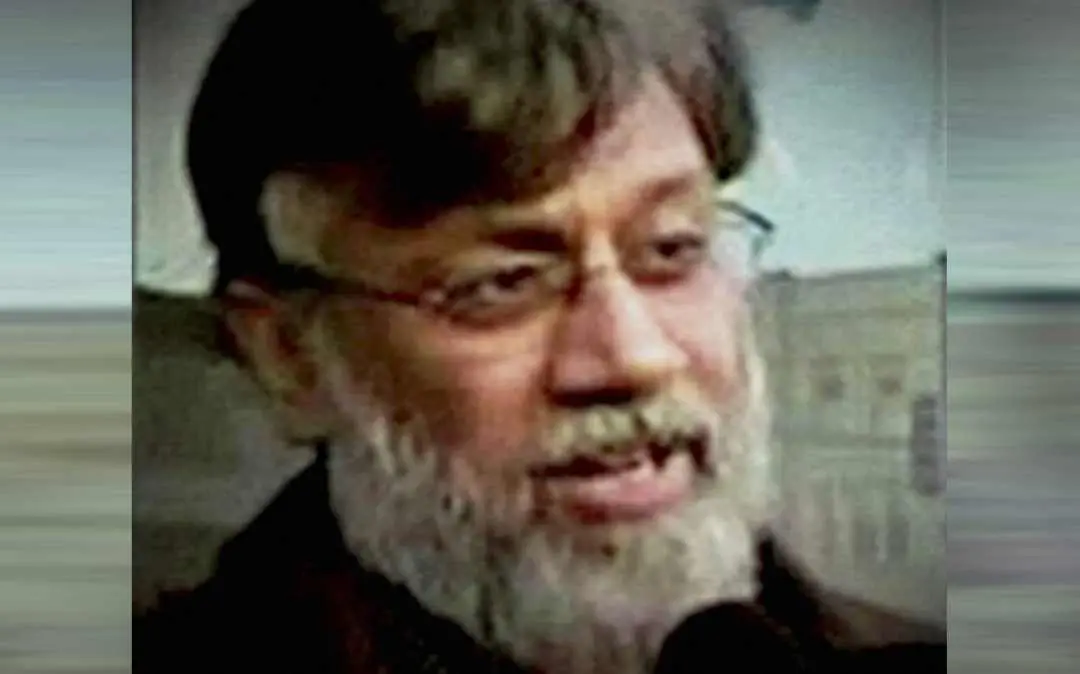
Tahawwur Hussain Rana, a Pakistani-born Canadian national, is now in India to face trial in the 26/11 Mumbai terror attacks case. His extradition, long sought by Indian authorities, happened after the US Supreme Court had dismissed his final plea to block the process, clearing the path for Indian agencies to take him into custody. Rana will be housed in a high-security ward of Delhi’s Tihar Jail.
Born on January 12, 1961, in Chichawatni in Pakistan’s Punjab province, Rana trained as a physician and served as a captain in the Pakistan Army Medical Corps. Following his military service, he and his wife—also a doctor—migrated to Canada in 1997, where he obtained citizenship by 2001. He later moved to the United States and ran multiple businesses from Chicago, including an immigration consultancy firm called First World Immigration Services, which also had offices in New York, Toronto and Mumbai.
Rana's name became linked to global terror networks due to his close ties with Pakistani-American terrorist David Coleman Headley, one of the key conspirators behind the 2008 Mumbai attacks that killed 166 people. According to investigators, Headley conducted reconnaissance of various attack sites in Mumbai by posing as an employee of Rana’s immigration consultancy. Rana is also believed to have maintained direct links with ISI operatives, including Major Iqbal, and allegedly passed along sensitive GPS coordinates of targets identified by Headley.
One of the most incriminating details in the case is that Rana reportedly visited Mumbai just 11 days before the 26/11 attacks and stayed at the Taj Mahal Palace Hotel—one of the sites later targeted by the gunmen. His role in the broader conspiracy came under sharper focus following Headley’s testimony during a deposition in 2016, where he detailed how both men had trained at Lashkar-e-Taiba camps in Pakistan and how Rana had facilitated his activities in India.
In 2009, Rana was arrested in the US along with Headley in connection with a separate plot to attack the Danish newspaper Jyllands-Posten, which had published controversial cartoons of Prophet Muhammad. Though a US court later acquitted Rana of conspiring in the Mumbai attacks, he was convicted of supporting the Denmark plot and served time in an American prison.
Indian authorities continued to push for his extradition to stand trial under the charges levelled in the 26/11 case. After years of legal proceedings in American courts, including rejections of multiple appeals by federal and Supreme Court judges, India’s request was finally granted.
With Rana now in India under tight security and getting arrested by the NIA, he would be questioned extensively to extract more details about the planning, support systems and broader international links behind one of the deadliest terror strikes in India’s history.