TN Polls 2026: Kanchipuram silk industry struggles amid rising costs, labour shortage
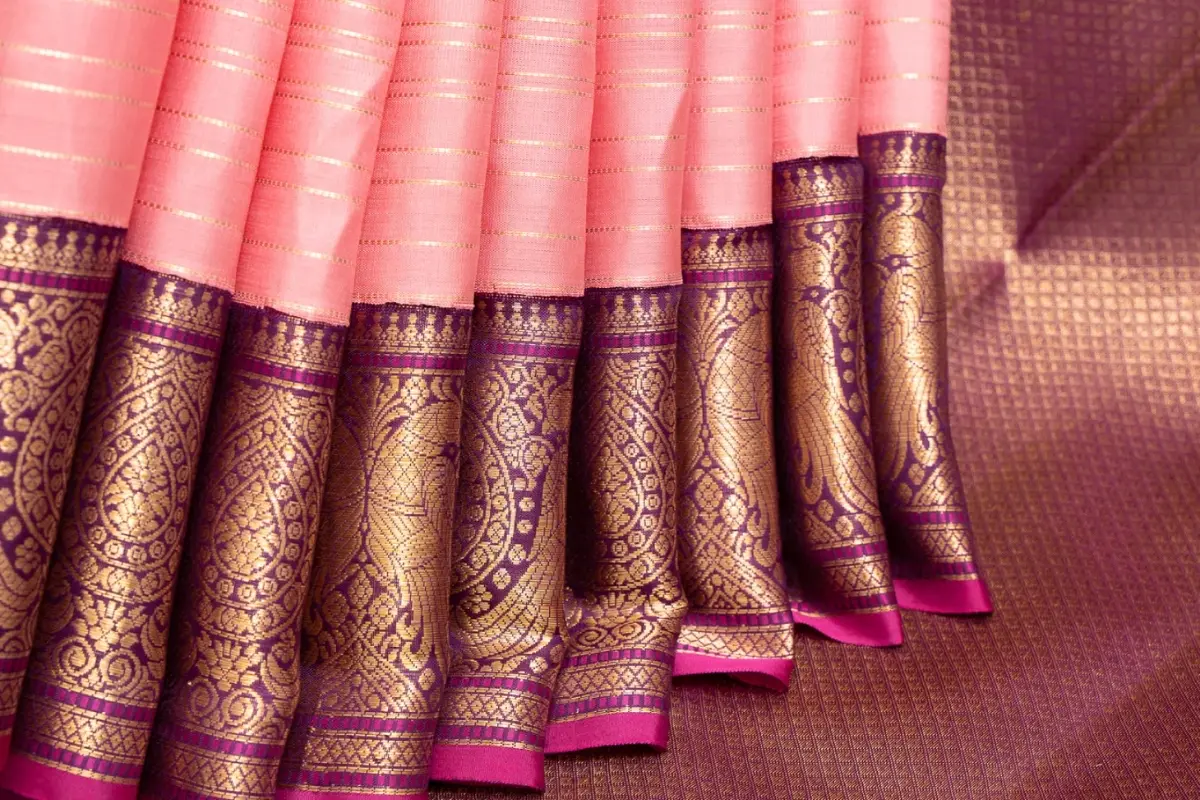
The rhythmic clatter of handlooms in Kanchipuram, Tamil Nadu, usually signals the creation of India’s finest silk sarees. But the city’s iconic Kanjivaram silk industry is now grappling with soaring gold prices, dwindling skilled labour, and falling demand amid cheaper machine-made alternatives, raising concerns for weavers and traders alike.
Kanjivaram sarees are renowned for their intricate gold-thread work, mostly sourced from Surat, Gujarat. However, rising gold prices have led to both increased costs and reduced supply, as Surat manufacturers cut production. S K P Govinath, a Kanjivaram saree owner, said, “We are not getting the pure gold threads at the right time, and prices have skyrocketed. Labour availability is also a major issue now.”
Labour shortages are further threatening the traditional weaving methods. Historically, entire families would weave a single saree in the Korvai style, ensuring quality and authenticity. Today, fewer skilled weavers are available, forcing units to adapt or reduce output. Weaver E Ramesh explained, “Income has reduced to Rs 200–300 per day. With machine-made sarees flooding the market, sales of hand-made sarees have declined. Yet, those committed to this craft continue working.”
Financial pressures are compounded by India’s multi-level GST system, which adds to production costs, making hand-made sarees less affordable. Thandavamoorthi, another weaver, said, “GST and the increase in gold and silver prices make investments costly. Labour is scarce, but quality cannot be compromised. Wage increases are essential.”
Also watch: Tamil Nadu Polls 2026: Dindigul lock makers battle Chinese imports, seek urgent government support
The Union government had established a silk textile park in Kanchipuram about 20 years ago to bring together weavers, manufacturers, traders, and cooperatives. Despite this, stakeholders say more support is needed for weaver welfare and for ensuring cooperative societies function effectively. Govinath added, “Kanchipuram silk is a legacy, but it’s at risk. The state government must take personal care of the weavers with subsidies and welfare support.”
With the Tamil Nadu Assembly elections approaching, the weavers and traders are hoping their concerns—such as labour support, subsidies, and market protection—will feature in party manifestos. Polling is scheduled for April 23, with counting of votes on May 4.