Tamil Nadu polls 2026: Sri Lankan Tamil refugees push for citizenship after decades in camps
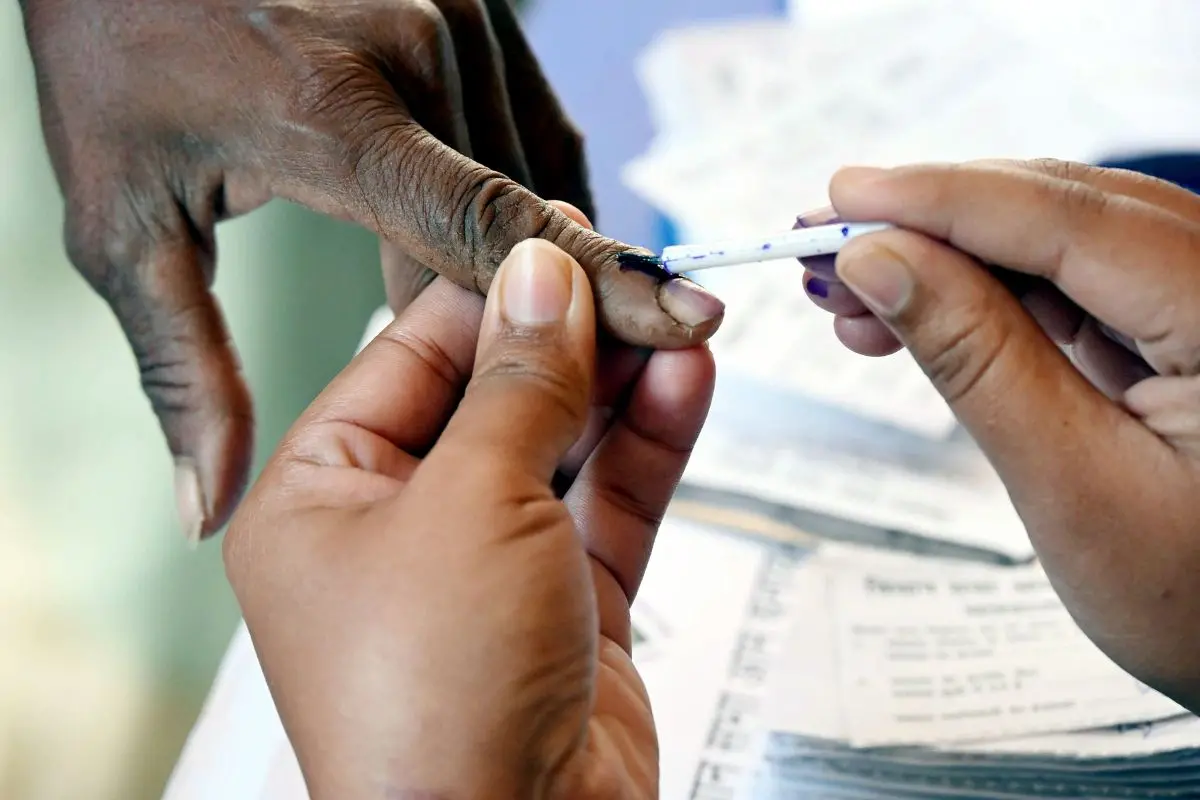
As Tamil Nadu moves closer to the upcoming assembly elections, thousands of Sri Lankan Tamil refugees living in the state are once again raising a long-standing demand — Indian citizenship.
Many of these refugees have spent decades in relief camps across the state, building their lives there after fleeing Sri Lanka during the civil war. In places such as Tiruchirappalli, families say the camps have effectively become their only home.
Also watch: Jobs, farming, welfare: What voters in Edappadi want ahead of Tamil Nadu polls
For many, life in India has spanned generations. Numerous children were born in the camps, attend local schools and have grown up identifying closely with the communities around them.
However, refugees say the absence of Indian citizenship continues to create significant barriers in everyday life. While some find work in the private sector, many allege they face discrimination when seeking employment. Government jobs, meanwhile, remain inaccessible without Indian citizenship.
Although the Tamil Nadu government extends several welfare benefits to refugees living in camps, many say the lack of citizenship restricts their opportunities and long-term security.
Several refugees who were born and raised in India say their demand for citizenship is driven largely by concern for their children’s future. They hope citizenship would allow the next generation better access to education, employment and stability.
According to official figures, more than 100 refugee camps across Tamil Nadu house around 58,000 Sri Lankan Tamil refugees. Another 30,000 refugees live outside the camps but remain registered with authorities.
Tamil Nadu Chief Minister M. K. Stalin has written to Prime Minister Narendra Modi, urging the central government to grant Indian citizenship to eligible refugees and provide long-term visas to others to ensure greater security.
For many refugees who have spent most of their lives in India, citizenship is seen as a step that could finally open doors — to stable jobs, higher education, and fuller participation in the society they have long called home.