Prithviraj's Odiyan: The Age of Illusion revives Kerala folklore after Lokah Chapter 1: Chandra
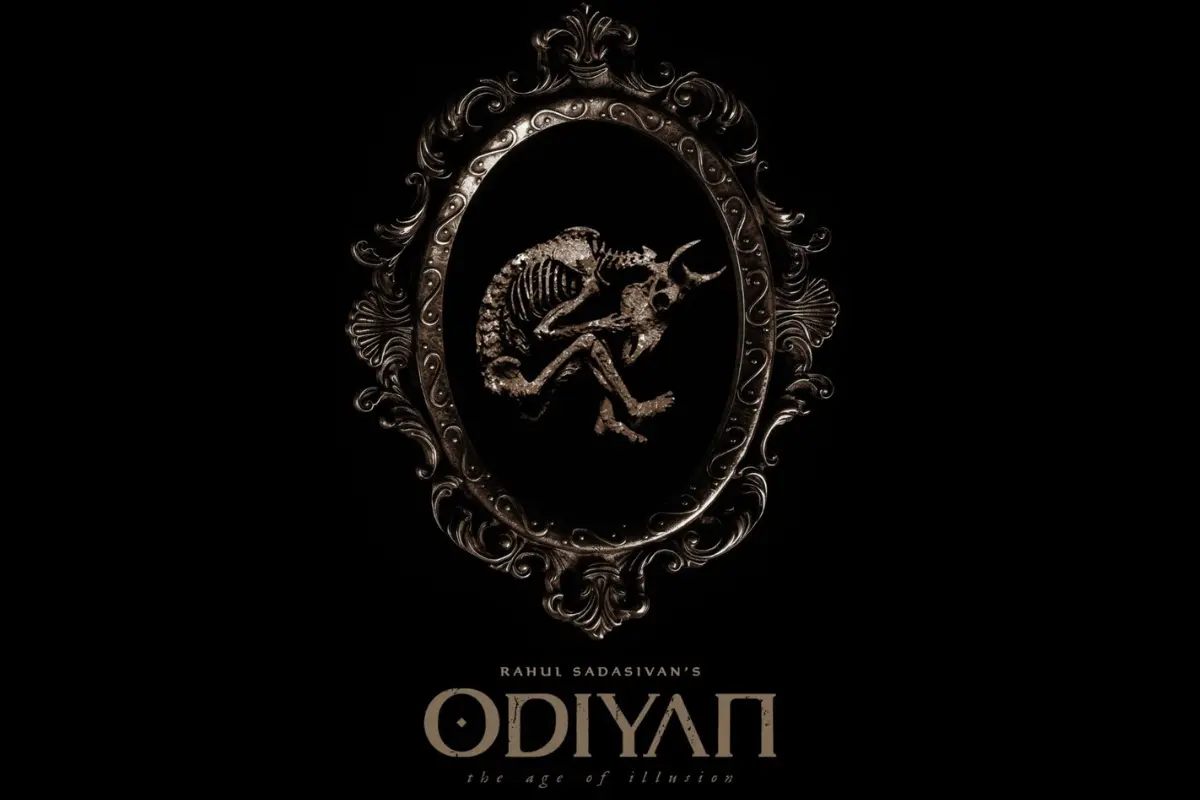
The announcement of 'Odiyan: The Age of Illusion', starring Prithviraj Sukumaran and produced by Karan Johar, has renewed interest in one of Kerala's most enduring folklore figures. While the upcoming film promises a darker psychological take on the legend, Malayalam cinema has previously revisited the 'Odiyan' myth through Mohanlal's 'Odiyan' and Dulquer Salmaan's appearance in 'Lokah Chapter 1: Chandra', each offering a distinct interpretation of the mysterious shape-shifting figure.
The announcement of 'Odiyan: The Age of Illusion' has naturally drawn attention because it brings together Prithviraj Sukumaran, director Rahul Sadasivan, and producer Karan Johar. Yet the most intriguing aspect of the project may not be the star power attached to it. It is the burden of memory that comes with the 'Odiyan' legend itself.
Kerala folklore has never lacked mystery. Stories of shape-shifters, dark magic, and creatures that exist between fear and fascination have travelled through generations, often surviving without written records. The 'Odiyan' belongs to that tradition. It is a figure shaped as much by storytelling as by belief, making every cinematic adaptation an interpretation rather than a definitive version.
Malayalam cinema has already explored this terrain in different ways. The 2018 film 'Odiyan' approached the myth through the lens of a fading era, presenting the legendary figure against the backdrop of social change. More recently, 'Lokah Chapter 1: Chandra' introduced audiences to a modern fantasy universe where an Odiyan existed alongside other supernatural beings. Both projects demonstrated that the folklore could be adapted for contemporary audiences, even when the responses differed.
That history places Rahul Sadasivan's film in an unusual position. The task is no longer introducing audiences to the legend. Instead, it is about rediscovering it. Viewers already carry their own assumptions, images, and expectations. The challenge lies in making the familiar feel unsettling again.
This is where the title becomes particularly interesting. "The Age of Illusion" suggests a story concerned not only with a supernatural creature but also with perception itself. In an era where folklore is increasingly filtered through social media clips, fan art, and online discourse, myths often become simplified into visual symbols. A psychological horror approach has the potential to restore ambiguity to the legend.
The collaboration also reflects a broader shift in Indian cinema. Regional stories are no longer viewed as local curiosities waiting for national recognition. Instead, they are becoming the foundation for ambitious projects with wider reach. The Odiyan, once confined to oral tales whispered across parts of Kerala, now finds itself at the centre of a conversation about identity, storytelling, and the evolving language of Indian genre cinema.