'Sholay' maker Ramesh Sippy at IFFI: 'AI can never replace human mind'
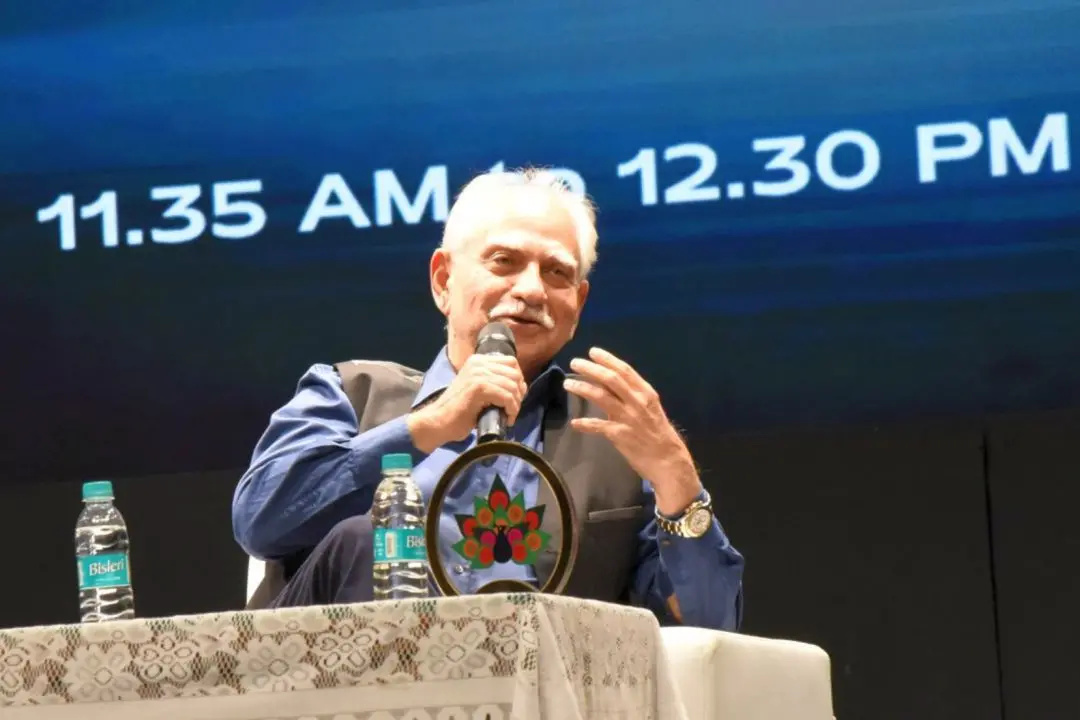
Renowned filmmaker Ramesh Sippy, known for iconic films like Sholay and Seeta Aur Geeta, emphasized the irreplaceable role of human creativity in filmmaking, even in the age of Artificial Intelligence (AI).
Speaking at the 55th International Film Festival of India (IFFI) during a session titled 'Passion for Perfection: Ramesh Sippy's Philosophy', Sippy acknowledged the transformative power of technology in the industry. However, he cautioned against overreliance on AI.
"AI can be a tool to enhance filmmaking, but it can never replace the human mind," he said. "It's crucial to use technology wisely and let human creativity guide the process."
'Took 23 days to shoot one scene in Sholay'
Sippy's illustrious career has been marked by a relentless pursuit of perfection and a commitment to the art of storytelling. He shared insights into his filmmaking journey, emphasizing the significance of constant learning and collaboration.
Sippy recounted the challenges and triumphs of creating the iconic film Sholay. He highlighted the meticulous attention to detail, the collaborative spirit of the team, and the importance of adapting to unforeseen circumstances.
He shared an insightful anecdote about shooting a pivotal scene in 'Sholay'. Despite initial setbacks with weather conditions, Sippy, highlighted how the final result, filmed under gloomy skies, achieved the perfect mood for the scene. "It took 23 days to shoot one scene in Sholay," he revealed.
Sippy underscored the power of teamwork in bringing stories to life. He emphasized the collective effort involved in every stage of the filmmaking process, from scriptwriting to post-production.
Embracing mistakes and seeking perfection
Sippy also shared valuable advice for aspiring filmmakers, emphasizing the importance of embracing mistakes as opportunities for growth. He encouraged filmmakers to learn from their failures and to strive for continuous improvement.
"It is healthy to make mistakes," he said, adding, "Each experience teaches us something valuable. We learn from our failures and improve for the future."
As the session concluded, Sippy's words resonated with the audience, inspiring aspiring filmmakers to embrace the challenges and opportunities of the evolving cinematic landscape.