‘Remaining silent would compromise my dignity’: Asha Achy Joseph on confronting sexual assault
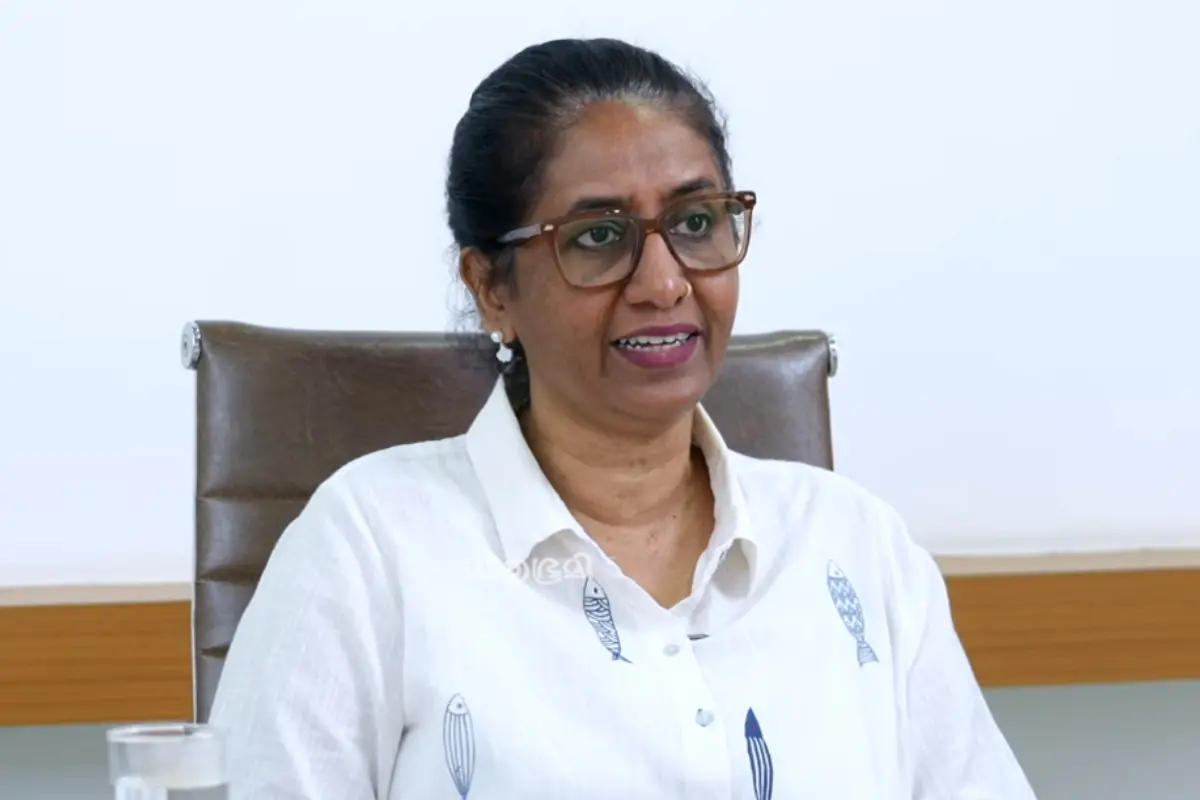
Filmmaker and teacher Asha Achy Joseph had filed a complaint with the Chief Minister on November 24, alleging that PT Kunju Muhammed, a jury member in the film section at the International Film Festival, had sexually assaulted her. It was only after several days that she could recover from the shock of the incident on November 6 and inform her family about it.
Also Read | Filmmaker and former MLA PT Kunju Muhammed seeks anticipatory bail in sexual assault case
Despite filing the complaint with the Chief Minister, it was too late to lodge a formal case. After submitting the complaint, she faced continuous pressure to withdraw it. Asha says the days following the complaint were filled with various realisations. She decided to speak out about the incident and make her identity known, so the fight would not end with mere words “victim” or “survivor”. She believes that remaining silent would compromise her dignity. Her struggle is for all survivors, and she emphasises that solidarity should extend beyond words.
Asha Achy Joseph talks about the ongoing struggle
- A case should be filed under the POSH Act
I was sexually assaulted at work during work related to film industry. Yet the POSH Act, which aims to prevent sexual assault against women in workplaces, did not apply to me. I am one among those who worked for the WCC to implement the POSH Act in the film industry. Sections on sexual assault and insulting femininity have been invoked against P T Kunju Muhammed. According to the POSH Act, he should have been removed from all official duties, but that did not happen. I understand the Act has not been considered properly. Even the legal system seems uncertain about implementing the POSH Act in the film industry. The system needs correction as the case progresses, and that is what I am trying to achieve.
Also Read| WCC adopts 'Zero Tolerance Policy' amidst sexual allegations in Malayalam film industry
- Late FIR
The first people outside my family to speak about the assault were the WCC members—my sisters. They told me to make the incident public. When I wrote to the Chief Minister, I was recounting my experience rather than formally complaining. Many have asked if I was using the privilege to write to the Chief Minister. However, many people communicate through letters about matters they consider important. The Chief Minister intervenes in several cases, which is why I wrote to him. I believe he intervened in my matter, but the system could not sustain the process.
Six days after my complaint, two policemen were assigned, but no FIR was registered. Even though I called the police two days later, they cited a delay in registering the FIR. It was only when the matter reached the media that the FIR was registered on the same day.
I was assaulted on November 6, wrote to the Chief Minister on November 24, and the FIR was only registered on December 8. I still do not know why it took so long. I felt cheated.
- Intervention is needed
The government is conducting POSH training among filmmakers, which is important. But even more significant would be an official announcement stating that P T Kunju Muhammed has been removed from government programmes following the complaint. Instead, the Kerala State Chalachitra Academy called me to inform that his name had been removed from the festival book, that he had not been invited to the festival, and that I should participate.
A press release about this action would have informed the public that steps were taken. By calling me, they made me feel comfortable. Intervention based on a proper understanding of the law and public communication is necessary. That is also a form of public education.
- Pressure to withdraw
There was pressure from multiple quarters to withdraw the complaint. Everyone spoke about the potential consequences if it proceeded. Surprisingly, some people whom I never expected became ambassadors for P T Kunju Muhammed, urging me to withdraw the complaint. Perhaps more people advised me to withdraw than to continue.
- Isn't an apology an admission of guilt?
P T Kunju Muhammed initially said he was ready to apologise. He communicated through messengers that he could apologise to me or in front of the Chief Minister. That did not matter. If he had apologised in front of the media, it would have been acceptable. Perhaps his willingness to apologise was an admission of guilt. Later, there was no further discussion, and the pressure to withdraw the complaint increased.
- Future of the case
I will definitely proceed with the case. My family and brothers support me. Since speaking out, many survivors of similar cases have approached me. The common challenge is that justice is delayed. Cases like this need study and attention. Many are pending in the courts. We need a platform where those involved in similar cases can share concerns and get support.
There are several networks like ‘Avalkkoppam’. The goal is to strengthen these and unify them under a single platform.
Also Read| ‘Survivor trauma deepened as CMO stayed silent while system worked to protect PT Kunju’: WCC
- Survivors should be heard
What is the quality of the Public Prosecutor’s role? They are government representatives who should reflect the government’s perspective in the case. Yet they are overworked and have little time to meet survivors. Public Prosecutors should have time to provide justice, understand the situation fully, and give survivors confidence. There should not be a scenario where the perpetrator receives anticipatory bail while the survivor’s needs are sidelined. It took multiple mediators for me to speak with my Public Prosecutor—imagine the condition of others in similar cases.
Also Read| PT Kunju Muhammad arrested: Veteran director released on bail in molestation probe
- Double justice
The government intervened effectively in the actress's assault case, providing full support. Yet it is doubtful whether similar justice is ensured in all cases. One survivor waited three years for a special prosecutor. Why such delays? A helpless woman had to speak publicly to request a Public Prosecutor. Even courts consider the health condition of the accused when granting anticipatory bail. The mental trauma of survivors is immense, and justice is hard to obtain.
- Do you feel that justice has been served?
Kerala is governed by a party that advocates equality, uplifts the marginalised, and stands by those denied justice. They should continue to uphold these principles. If they struggle to deliver justice, then they fall short of the ideals of the Left Democratic Front. I still have hope. My hope has not faded or drained.