Bob Weir, Grateful Dead co-founder and iconic guitarist, passes away at 78
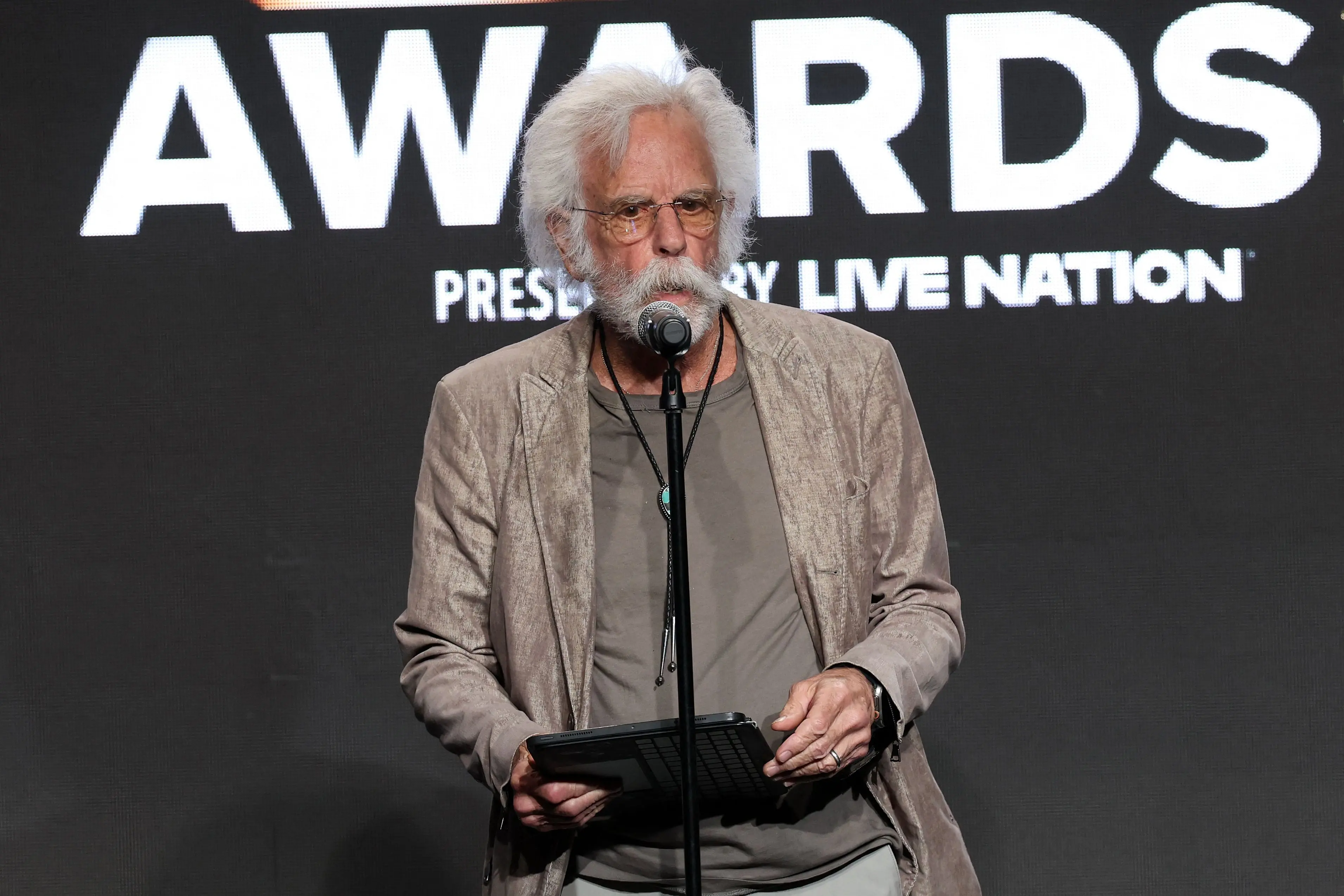
Los Angeles: Bob Weir, a founding member of psychedelic jam band the Grateful Dead, has died, his family announced in a statement Saturday. He was 78.
The guitarist and songwriter had beaten cancer but "succumbed to underlying lung issues," said the statement posted on his personal website and Instagram account.
"He transitioned peacefully, surrounded by loved ones, after courageously beating cancer as only Bobby could. Unfortunately, he succumbed to underlying lung issues,” the statement added.
"Bobby’s final months reflected the same spirit that defined his life. Diagnosed in July, he began treatment only weeks before returning to his hometown stage for a three-night celebration of 60 years of music at Golden Gate Park. Those performances, emotional, soulful, and full of light, were not farewells, but gifts. Another act of resilience,” the statement said further.
Weir joined the Grateful Dead — originally the Warlocks — in 1965 in San Francisco at just 17 years old. He would spend the next 30 years playing on endless tours with the Grateful Dead alongside fellow singer and guitarist Jerry Garcia, who died in 1995.
Weir wrote or co-wrote and sang lead vocals on Dead classics including “Sugar Magnolia,” “One More Saturday Night” and “Mexicali Blues.”
After Garcia’s death, he would be the Dead's most recognizable face. In the decades since, he kept playing with other projects that kept alive the band's music and legendary fan base, including Dead & Company.
“For over sixty years, Bobby took to the road,” the Instagram statement said. "A guitarist, vocalist, storyteller, and founding member of the Grateful Dead. Bobby will forever be a guiding force whose unique artistry reshaped American music.”
Weir’s death leaves drummer Bill Kreutzmann as the only surviving original member. Founding bassist Phil Lesh died in 2024. The band's other drummer, Mickey Hart, practically an original member since joining in 1967, is also alive at 82. The fifth founding member, Ron “Pigpen” McKernan, died in 1973.
Dead and Company played a series of concerts for the Grateful Dead’s 60th anniversary in July at Golden Gate Park in San Francisco, drawing some 60,000 fans a day for three days.
Born in San Francisco and raised in nearby Atherton, Weir was the Dead's youngest member and looked like a fresh-faced high-schooler in its early years. He was generally less shaggy than the rest of the band, but he had a long beard like Garcia’s in later years.
The band would survive long past the hippie moment of its birth, with its ultra-devoted fans known as Deadheads often following them on the road in a virtually non-stop tour that persisted despite decades of music and culture shifting around them.
“Longevity was never a major concern of ours,” Weir said when the Dead got the Grammys’ MusiCares Person of the Year honor last year. “Spreading joy through the music was all we ever really had in mind, and we got plenty of that done.”
Ubiquitous bumper stickers and T-shirts showed the band's skull logo, the dancing, colored bears that served as their other symbol, and signature phrases like “ain't no time to hate” and “not all who wander are lost.”
The Dead won few actual Grammys during their career — they were always a little too esoteric — getting only a lifetime achievement award in 2007 and the best music film award in 2018.
Just as rare were hit pop singles. “Touch of Grey,” the 1987 song that brought a big surge in the aging band's popularity, was their only Billboard Top 10 hit.
But in 2024, they set a record for all artists with their 59th album in Billboard's Top 40. Forty-one of those came since 2012, thanks to the popularity of the series of archival albums compiled by David Lemieux.
Their music — called acid rock at its inception — would pull in blues, jazz, country, folk and psychedelia in long improvisational jams at their concerts.
“I venture to say they are the great American band,” TV personality and devoted Deadhead Andy Cohen said as host of the MusiCares event. “What a wonder they are.”
(with inputs from AFP& AP)