Can PCOS affect your bones? Experts warn of early bone loss risk
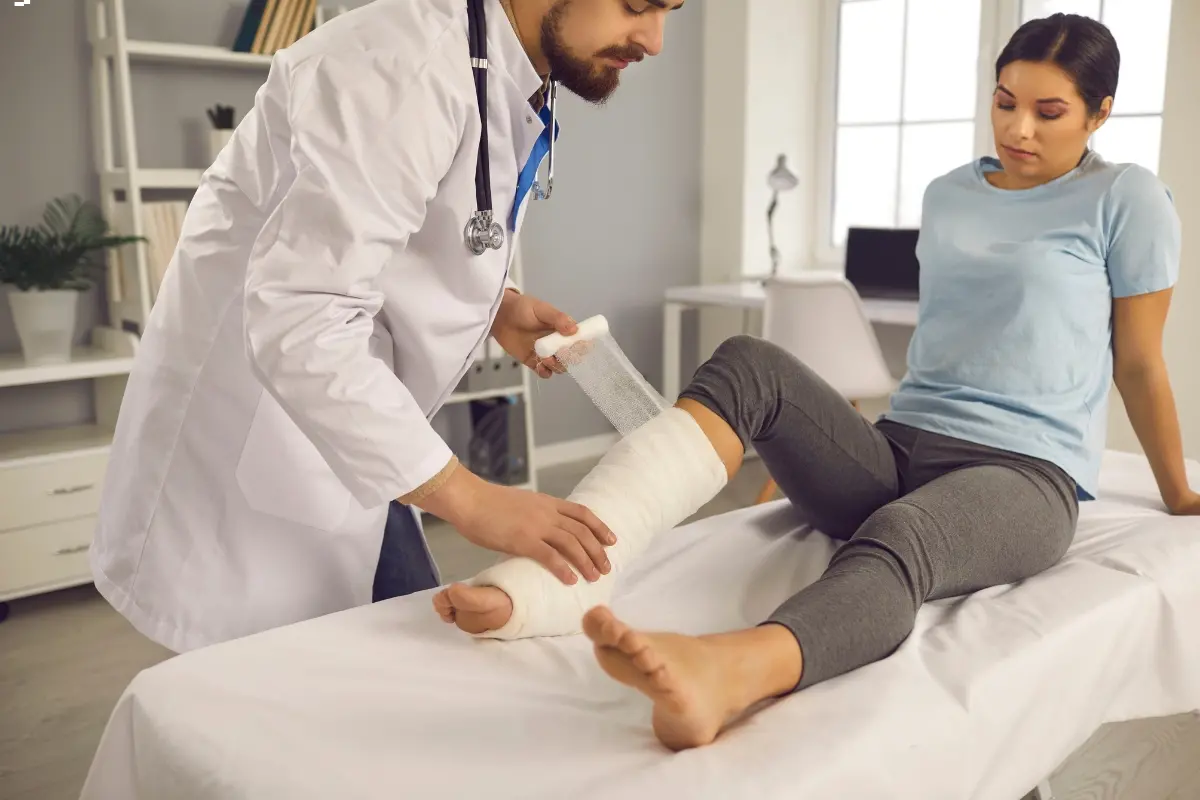
Can young women with PCOS have bone health issues? While PCOS is known for hormonal imbalance and metabolic complications, its potential link to bone mineral density is now gaining attention. Here's what science says.
PCOS (Polycystic Ovary Syndrome) is a common endocrine disorder affecting nearly 1 in 5 women of reproductive age in India. Traditionally associated with irregular periods, weight gain, acne, and fertility issues, recent evidence suggests that PCOS may also have implications for bone health — even in young women.
Bone Mineral Density (BMD) refers to the amount of mineral content in bones and is a key indicator of bone strength and risk for conditions like osteoporosis. While bone loss is typically a concern in post-menopausal women, hormonal disturbances in PCOS can start affecting BMD earlier than expected.
What Factors in PCOS Influence Bone Health?
The relationship between PCOS and BMD is complex and influenced by several variables:
- Hormonal imbalance: PCOS often leads to low oestrogen due to irregular ovulation. Oestrogen plays a vital role in maintaining bone density. Chronic anovulation can result in oestrogen deficiency, which may negatively affect bones over time.
- Insulin resistance: Many women with PCOS have insulin resistance, which increases circulating insulin. Insulin can stimulate bone formation to some extent, which may explain why some PCOS patients have higher BMD.
- BMI and body fat: Overweight women with PCOS often show higher BMD, likely due to mechanical loading on bones and higher levels of certain hormones like leptin. However, some women with PCOS — who may lack these protective factors — are more vulnerable to reduced BMD.
Are Women With PCOS More at Risk?
Yes. Studies indicate that women with PCOS, particularly those without insulin resistance and with chronic menstrual irregularities, may have lower BMD compared to both healthy peers and obese women with PCOS.
According to a recent review in Endocrine Connections, lower oestrogen and absence of compensatory insulin-related bone stimulation could explain this trend in lean PCOS women. These women may not show symptoms until much later, but early bone loss could begin quietly in their 20s or 30s.
What Does the Latest Data Say?
A 2023 meta-analysis published in the Journal of Clinical Endocrinology & Metabolism reviewed over 2,000 women with PCOS and found that:
- Women with PCOS generally had normal or slightly increased BMD compared to controls.
- However, lean PCOS subgroups had a statistically significant reduction in lumbar spine BMD.
- Chronic anovulation and low progesterone may also contribute to poor bone turnover in some women.
- Another Indian study conducted at AIIMS, New Delhi, found early signs of osteopenia in nearly 18% of lean PCOS participants under the age of 30, especially those with irregular cycles and vitamin D deficiency.
How Can Women With PCOS Protect Their Bones?
While the overall risk of osteoporosis may not be elevated in all women with PCOS, certain subgroups should be proactive. Experts suggest:
Routine screening for BMD in women with PCOS who have irregular periods and no insulin resistance.
- Adequate calcium (1,000–1,200 mg/day) and vitamin D through diet and supplements.
- Regular weight-bearing exercise such as walking, running, or resistance training.
- Menstrual regulation through medical guidance, to ensure hormonal stability.
- Early lifestyle interventions to prevent long-term bone issues.
Should BMD Be Monitored in All PCOS Patients?
Not necessarily. Routine BMD screening is not yet recommended for all women with PCOS. However, gynaecologists and endocrinologists now agree that individualised assessment is key. Young women who are lean, amenorrhoeic, and vitamin D deficient should especially consider a DEXA scan and early monitoring.
PCOS affects much more than just reproductive health. While not all women with PCOS are at risk of low BMD, certain groups—especially lean, younger women with irregular periods—may be more vulnerable to early bone weakening. Addressing this risk early through hormonal management, diet, and exercise could be essential in preventing future complications like osteoporosis.
(Disclaimer: This article is for informational purposes only and should not be considered a substitute for professional medical advice, diagnosis, or treatment. Always consult a qualified healthcare provider for personalised guidance regarding PCOS or bone health.)