Before K-beauty: 10 Joseon-era ingredients behind Korea's timeless beauty rituals
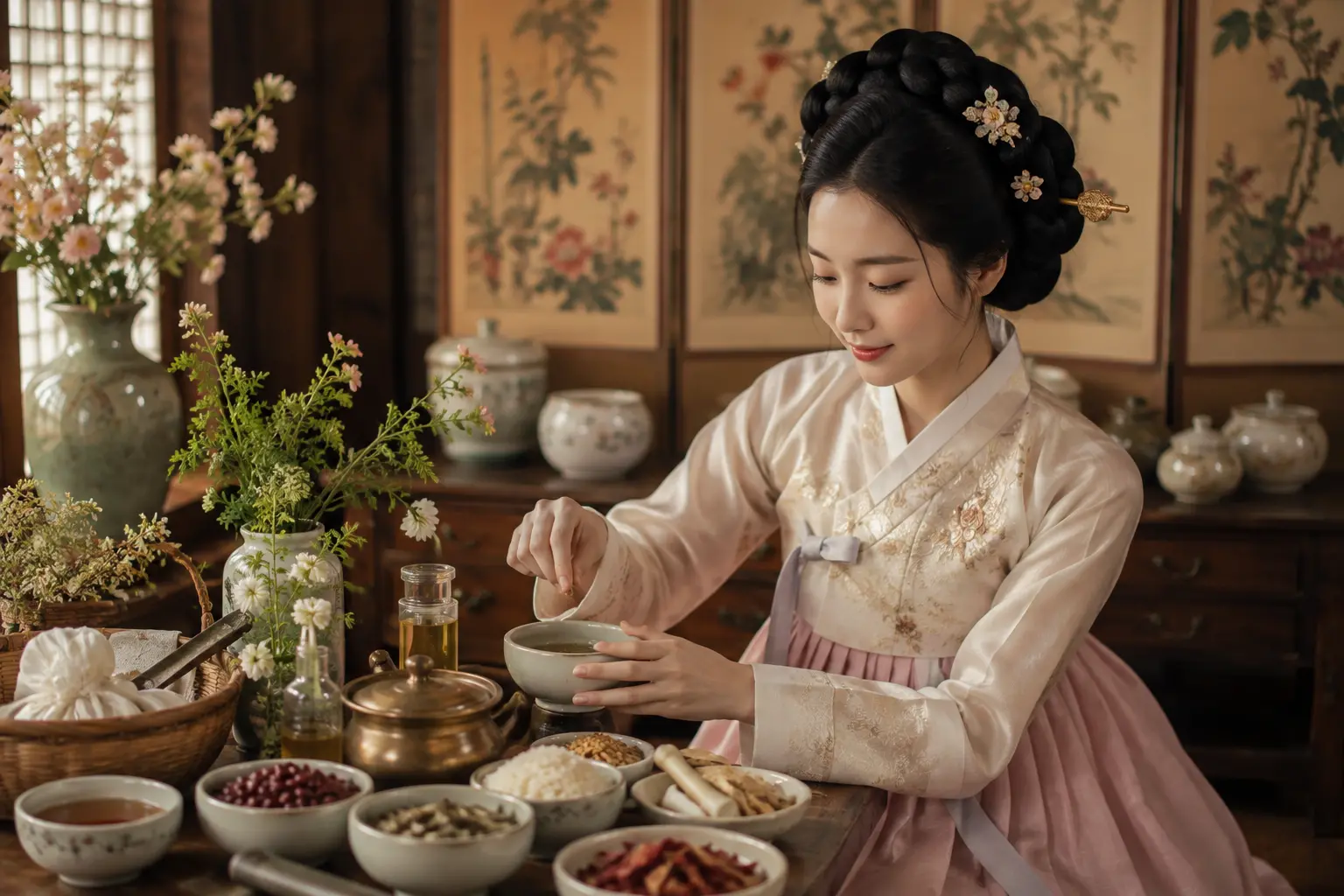
Long before the words glass skin entered the global beauty vocabulary, Korean women were turning to gardens, orchards, apiaries and grain stores for their skincare. During the Joseon Dynasty (1392–1897), beauty was viewed less as an elaborate cosmetic ritual and more as an extension of Hanbang, traditional Korean herbal medicine, which focused on maintaining healthy skin through nourishment, balance and botanical remedies rather than concealing flaws. Historical records, including the Gyuhap Chongseo (Encyclopaedia for Women), document household practices that combined medicinal herbs with everyday ingredients to care for the complexion and hair.
Today, many of those centuries-old ingredients are finding new life in modern K-beauty laboratories. While contemporary formulations rely on cosmetic science and clinical testing, the inspiration behind several bestselling products can be traced back to Joseon kitchens and herbal apothecaries. Here are 10 ingredients that have stood the test of time.
- Honey: Long before moisturisers came in jars, honey was prized for keeping skin supple. Historical references cited by Beauty of Joseon note that women mixed honey with finely ground grains to create nourishing facial treatments. Rich in natural sugars, honey helped lock in moisture, while its soothing properties made it a popular ingredient for dry or weather-exposed skin. Today, its derivative, propolis, remains a favourite in Korean skincare for its calming and barrier-supporting qualities.
Green plum: Known as maesil in Korea, green plum was valued in traditional medicine for its cleansing properties. Historical Hanbang texts describe it as a fruit used to cool the body, and modern skincare has adapted its naturally occurring fruit acids into gentle exfoliating products. Rather than relying on harsh scrubs, green plum preparations were believed to help keep skin smooth by encouraging the removal of dead surface cells.
- Red bean: Red beans were not reserved only for desserts. Ground into a fine powder, they were incorporated into cleansing pastes that gently buffed away dirt and excess oil. Beauty of Joseon, which bases its ingredient philosophy on the Gyuhap Chongseo, notes that red beans have long been associated with absorbing sebum while helping the skin appear smoother and more elastic.
- Mugwort: Mugwort has been woven into Korean culinary and medicinal traditions for centuries, but it also earned a place in beauty rituals. Traditionally used to comfort irritated skin, the aromatic herb is now recognised for its antioxidant-rich profile. Dermatologists interviewed by Allure say mugwort continues to appeal because of its soothing effects on redness and sensitivity, echoing its historical use in Hanbang remedies.
- Rice bran: Instead of discarding rice bran after milling, Joseon households found another use for it. Mixed with water, it became a mild cleanser that left the skin feeling soft without stripping away moisture. Rice bran and rice water have since become iconic K-beauty ingredients thanks to their vitamins, antioxidants and moisturising properties. Modern formulations continue to draw inspiration from these traditional cleansing methods.
- Green tea: Green tea's reputation extended beyond the teacup. Hanbang traditions embraced the plant for its antioxidant-rich nature, and contemporary skincare researchers continue to value green tea extracts for helping defend the skin against environmental stressors. Beauty historians note that botanical infusions like green tea reflected Joseon-era beliefs that beauty began with healthy, balanced skin rather than heavy cosmetics.
- Ginseng: Few ingredients are as deeply connected with Korean heritage as ginseng. Highly valued in traditional medicine, it was often associated with vitality and longevity. Historical Hanbang practices incorporated the root into beauty preparations, while modern skincare brands continue to highlight its naturally occurring saponins and antioxidant compounds that help support hydration and improve the appearance of ageing skin.
- Centella asiatica: Although now better known globally as cica, Centella asiatica has long featured in Korean herbal traditions. The plant was valued for comforting stressed skin, and today's formulations continue to use it to reduce the appearance of irritation while supporting the skin barrier. Its enduring popularity reflects the Joseon philosophy of strengthening skin rather than treating damage after it occurs.
- Camellia seed oil: Glossy, neatly maintained hair was considered an important part of personal grooming during the Joseon era. Camellia seed oil was applied to keep hair soft, minimise dryness and add natural lustre. Unlike heavier oils, it absorbed easily while helping protect hair from environmental damage, making it one of the period's most valued botanical oils.
- Safflower oil: Safflower was another botanical that found a place in Joseon beauty traditions. The lightweight oil was massaged into the skin and scalp to combat dryness and improve manageability. Its use reflected the Hanbang belief that maintaining moisture and circulation contributed to healthier-looking skin and hair over time rather than delivering overnight transformations.
In an age of high-tech serums and ingredient-packed formulations, the beauty rituals of the Joseon era offer a reminder that effective skincare did not begin in a laboratory. Many of the botanicals once prepared in Korean households continue to inspire modern products, blending centuries-old wisdom with contemporary cosmetic science. While today's formulas have evolved, the philosophy behind them remains remarkably familiar: nourish the skin gently, consistently and from the inside out.