The truth behind whitening toothpaste: Does it brighten your smile or damage it?
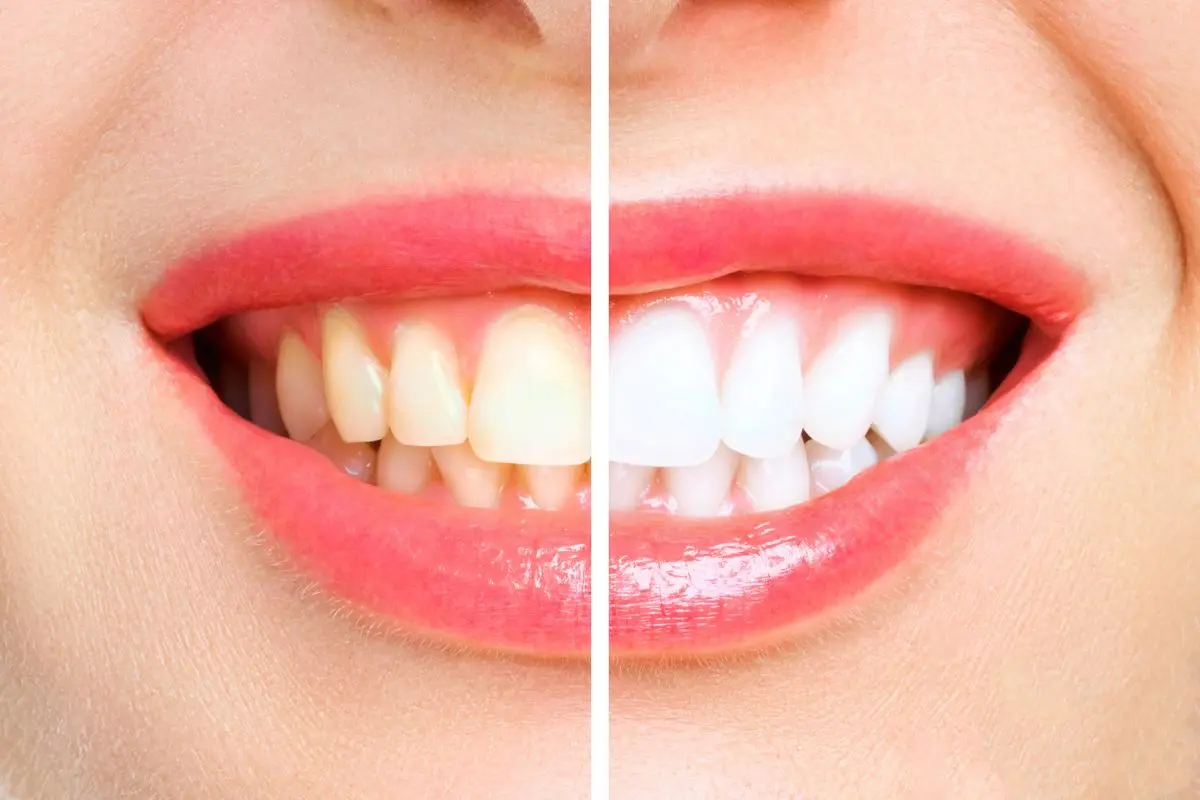
A smile is the best form of self-expression and the best makeup any day. With the booming influence of social media, everyone desires a textbook smile/Hollywood smile. In today’s image-conscious world, a bright white smile signifies confidence, aesthetics and good oral health.
Whitening toothpastes have become increasingly popular through advertisements and celebrity endorsements, promising users a whiter, radiant smile. But like any other product in the market, they have their advantages and disadvantages too.
Let’s explore both the dark and white sides of whitening toothpastes.
What are whitening toothpastes?
Whitening toothpastes are toothpastes designed to help remove surface (superficial) stains from teeth, like those caused by smoking, alcohol, coffee, tea and poor oral hygiene.
How do they work?
Whitening toothpastes contain abrasives and bleaching agents that help in stain removal, thereby lightening the tooth colour.
Some whitening toothpastes contain the chemical blue covarine, which adheres to the surface of the teeth and creates an optical illusion that can make teeth look instantly white.
When used twice a day, whitening toothpaste can take from two to six weeks to make teeth brighter.
What is the main difference between normal toothpaste and whitening toothpaste?
The main difference between normal toothpaste and whitening toothpaste is their RDA level. RDA, or Relative Dentin Abrasivity, is a measure used to indicate the abrasiveness of toothpaste.
Abrasives are added to toothpaste to provide them their stain removal property. However, these abrasives, like their name suggests, are known to cause a certain amount of tooth wear. Since abrasives possess both cleaning and tooth-wearing effects, their levels in toothpastes are kept under control.
Whitening toothpastes contain harder abrasives and a higher amount of these than conventional toothpaste to achieve external stain removal.
Generally RDA 0-70 are considered low abrasiveness, and those exceeding 200 are considered harmful for the teeth.
Benefits of whitening toothpaste
Whitening toothpaste has become a popular choice for quick and convenient teeth whitening.
Convenience and accessibility
Unlike professional whitening treatments that require dental visits, whitening toothpaste can be conveniently used at home like any other normal toothpaste.
Cost-effective
They are more affordable than professional whitening treatments.
Gentle whitening action
Active abrasive ingredients help scrub away surface stains.
Preventive care
Regular use can help prevent new stains from forming, maintaining your whiteness.
Cons of whitening toothpastes
Enamel wear
Abrasives, being the main ingredient in whitening toothpastes, will cause a mild wearing off of the protective outer layer of the teeth over a period of time, especially with aggressive brushing.
Gum irritation
Ingredients like peroxides can cause gum irritation in a few people, especially if there are pre-existing gum issues. This may cause redness, swelling or a burning sensation.
Tooth sensitivity
Hydrogen peroxide and other whitening agents can penetrate the enamel, leading to short-term or long-term sensitivity.
Limited impact on intrinsic stains/deeper stains
Stains within the deeper layer of the teeth cannot be removed.
Variable results
Effectiveness and degree of whitening vary from person to person.
Temporary results
Whitening effects can fade quickly.
Lack of fluoride in some formulas
Many whitening toothpastes focus on stain removal but omit fluoride, a crucial ingredient for preventing cavities. This increases your risk of tooth decay over time.
Below are a few points to be noted before choosing a whitening toothpaste:
Look for the ADA seal of acceptance
Ensure that the product has been tested for safety and effectiveness.
Choose the right ingredients
Choose toothpastes with low RDA levels and natural whitening agents like baking soda.
Monitor sensitivity
- Monitor how your teeth and gums react after each use.
- In case of increased sensitivity, seek professional help.
How to minimise risks while using whitening toothpaste
By taking a few precautions, you can attain whitening without compromising your dental health.
Use whitening toothpaste sparingly
Limit daily use to avoid enamel wear and sensitivity. Consider alternating with a non-whitening toothpaste.
Brush gently
Excessive pressure while brushing can exacerbate enamel erosion and gum irritation. Use a soft-bristled toothbrush and apply light pressure.
Check for fluoride
Choose toothpastes that include fluoride to protect your enamel and prevent cavities.
Consult your dentist
Before using whitening toothpaste, make sure to seek professional help regarding whether you need to incorporate whitening toothpaste.
Who should avoid using whitening toothpaste?
- People who already suffer from tooth sensitivity.
- People with gingivitis or periodontal disease.
- Young children, due to the risk of enamel damage and accidental ingestion of paste.
- Individuals with already compromised enamel, to prevent further erosion.
- Dr Sreelakshmi N Nair, an MDS in Oral Medicine and Radiology, is a General Practitioner at Trident Dental Clinic in Kanhangad, Kerala.