Were Indian grandmothers nonnamaxing all along?
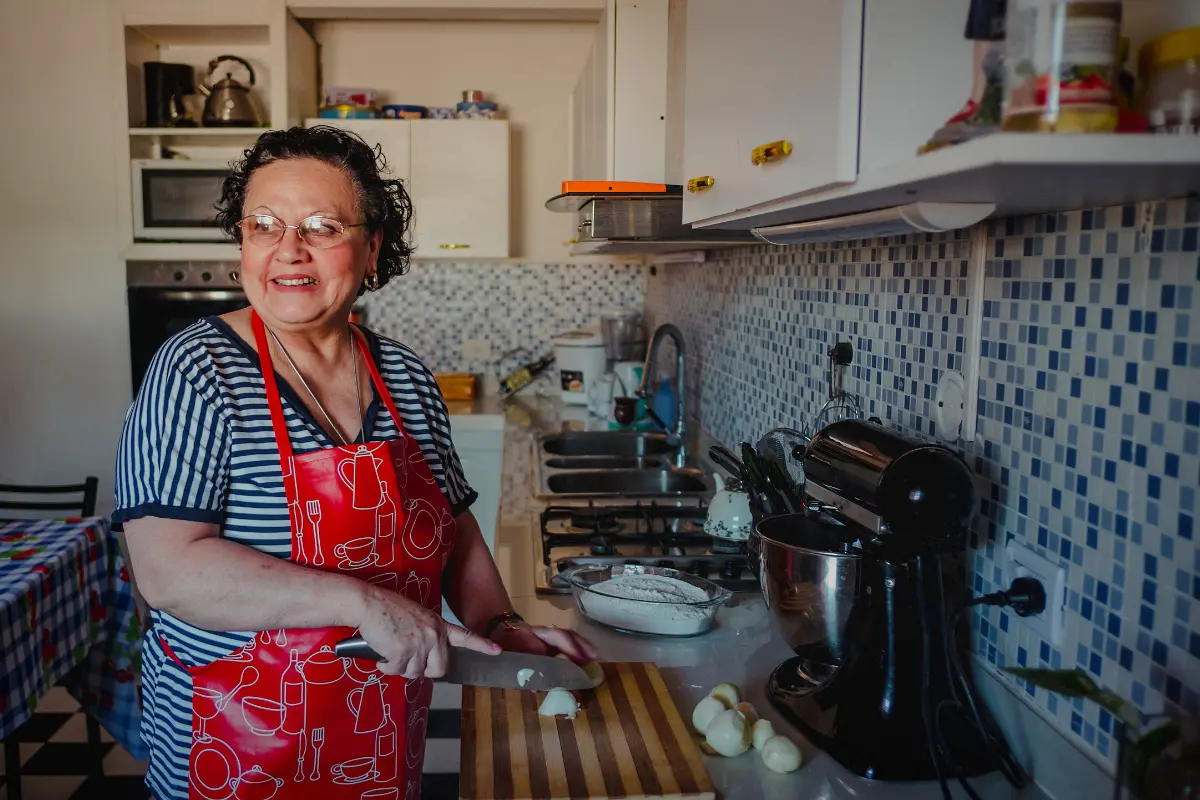
There is a scene that plays out in every Indian family.
A grandmother wakes up before everyone else. She waters a few plants. Makes coffee or chai. Walk to the local store instead of ordering online. Calls three relatives before breakfast. Knows exactly which mangoes are in season. Refuses to throw away leftover food. And somehow, despite doing more than everybody else in the house, never once describes herself as "busy."
If this sounds familiar, you've already known about nonnamaxing long before Instagram gave it a name.
Nonnamaxing, the internet's latest obsession, is inspired by the habits of Italian grandmothers, or nonnas. Social media paints them as the ultimate wellness icons, making food from scratch, taking long walks, living offline, spending time with family and refusing to rush through life. The trend has exploded among Gen Z, who see it as an antidote to hustle culture.
But for Indian audiences, the whole thing feels oddly familiar. After all, haven't our grandmothers been telling us the same things for years? Eat what's in season, go outside, don't stare at screens all day, feed guests before yourself, take a walk after dinner, call your relatives and sleep on time. The difference is that nobody called it wellness back then.
Somewhere along the way, modern life convinced us that health comes in packaging. We bought fitness trackers to count steps our grandparents did naturally, downloaded meditation apps to recreate the peace they found sitting on a verandah watching the rain, and spent money learning mindfulness while they spent afternoons shelling peas and chatting with neighbours.
It's a little like the famous dialogue from Yeh Jawaani Hai Deewani: "Kahin pahunchne ke liye kahin se nikalna bahut zaroori hota hai." Except Gen Z seems to have travelled all the way through burnout culture only to arrive back at their grandmother's front door.
That may explain why nonnamaxing is so strong right now. Young people aren't necessarily dreaming about moving to the Italian countryside. They're dreaming about a life that feels less fragmented.
A life where lunch isn't eaten over emails, walking isn't a fitness challenge and hobbies don't need to become side hustles. The real appeal of the trend is the permission to live at a human pace.
Most of the grandmothers you know weren't tracking protein intake or discussing longevity podcasts. Yet they instinctively understood wellness is built during ordinary Tuesdays.
Scientists may talk about social connection, movement and purpose as pillars of longevity. Grandmothers simply call it life. And perhaps that's why Italian nonnas have become unexpected wellness icons. They remind us that wellbeing isn't usually found in optimisation. More often, it's built quietly through everyday rituals repeated over a lifetime.