7 trends shaping international corporate travel in 2026
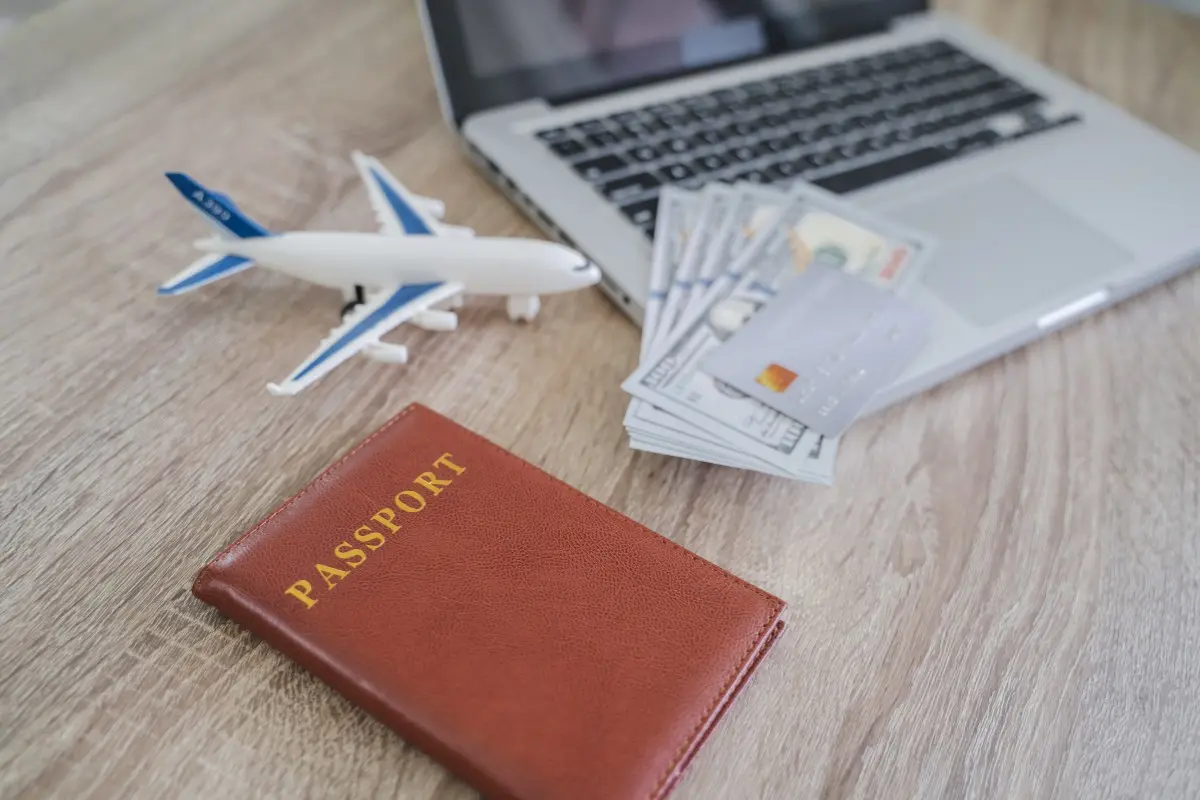
International business travel is undergoing a fundamental transformation. What was once largely about booking flights, arranging accommodation and ensuring employees reached their destinations on time has evolved into a far more strategic business function.
Rising travel costs, rapid technological advancements, changing employee expectations and growing concerns around traveller safety are compelling organisations to rethink how they manage global mobility.
According to inputs provided by Shylender Jindal, Managing Director – SKIL Travel, the focus today is on building smarter, more efficient and traveller-centric programmes that balance business objectives with employee experience.
AI is moving from convenience to core travel infrastructure
In the aviation industry, the role of AI is quickly developing into tools that companies are utilising for managing corporate travel. However, this goes well beyond the simple functions of a chatbot or travel suggestions. AI can analyse hundreds of travel options, benchmark employee preferences and identify possible disruptions in advance.
For instance, an AI-powered platform can assess the impact of a potential flight cancellation on an employee's scheduled meeting and recommend alternative routes. Similarly, travel managers can identify opportunities to reduce costs, optimise frequently travelled routes and improve policy compliance.
Also Read: Planning a Christmas trip to America? 7 experiences to add to your holiday itinerary
As a result, organisations can build more responsive travel management systems capable of adapting to changing circumstances while improving efficiency and the overall traveller experience.
Cost efficiency is becoming smarter, not simply cheaper
With the rising cost of international travel, companies are scrutinising their travel budgets more closely than ever. However, cost optimisation is increasingly about evaluating the overall value of a journey rather than simply selecting the lowest available fare.
A slightly more expensive flight, for instance, could offer significant time savings, allowing an employee to attend an additional business meeting. Similarly, choosing accommodation closer to a client's office may involve a higher room tariff but reduce transportation expenses and travel time.
Travel data plays a critical role in enabling these decisions. By analysing booking patterns, routes, accommodation preferences and overall expenditure, organisations can identify opportunities to optimise spending without compromising employee comfort or productivity.
Bleisure is evolving into more flexible business travel
The distinction between business and leisure travel is gradually becoming more flexible, with employees increasingly looking to extend their business trips for personal experiences.
Rather than returning immediately after a meeting or conference, travellers may choose to spend additional days exploring the destination. This evolving preference is encouraging organisations to introduce clearer guidelines around bleisure travel.
Companies are increasingly defining policies that outline permissible personal extensions, expense responsibilities, insurance considerations and reimbursement procedures for additional accommodation or flight changes.
When managed effectively, such flexibility can contribute to greater employee satisfaction while allowing organisations to maintain transparency, cost control and policy compliance.
Duty of care is becoming more proactive
Employee safety has become a critical priority in corporate travel management. Organisations are increasingly moving towards proactive risk identification and traveller assistance rather than responding only when emergencies arise.
Also Read: Seven places your explore page hasn’t found yet
Modern travel management systems can provide real-time information on geopolitical developments, adverse weather conditions, transportation disruptions, health advisories and other potential risks.
If an employee is travelling through an affected region, travel managers can identify the potential impact, establish communication and coordinate necessary assistance.
This becomes particularly important for multinational organisations managing employees travelling simultaneously across multiple countries.
Ultimately, effective duty of care depends on visibility, timely communication and the ability to respond decisively when circumstances change.
Sustainability is moving from policy to measurement
Sustainability in corporate travel is becoming increasingly measurable. Organisations are moving beyond broad commitments towards evaluating the environmental impact of their travel programmes through data and reporting.
Travel management solutions can help companies assess carbon emissions associated with flights, accommodation and ground transportation. These insights enable organisations to identify high-emission routes, evaluate alternative modes of transport and consolidate multiple business engagements into fewer trips where practical.
For instance, replacing short-distance flights with rail journeys or combining several meetings into a single international visit can contribute to more responsible travel practices.
The objective is to make informed travel decisions that balance environmental considerations with business priorities.
Regional hubs are changing the way companies travel
International organisations are reconsidering the traditional practice of bringing employees from multiple countries to a central headquarters for every significant meeting.
Regional business hubs are emerging as practical alternatives for leadership meetings, corporate conferences, training programmes and cross-border collaboration.
Also Read: Planning a Diwali family getaway? 5 reasons to put Abu Dhabi on your list
Destinations such as Dubai, Singapore and Amsterdam offer strong international connectivity, business infrastructure and hospitality ecosystems, making them attractive meeting points for geographically dispersed teams.
Rather than having employees undertake lengthy journeys to a single headquarters, organisations can strategically select destinations that minimise overall travel time, optimise expenditure and improve participation.
The increasing importance of regional hubs also reflects a broader transformation in global business operations, where distributed teams and cross-border collaboration are becoming integral to organisational growth.
Visa and immigration complexity is reshaping global business travel
As international business travel becomes more dynamic, visa regulations, immigration requirements and entry policies are playing an increasingly important role in travel planning.
Changing documentation requirements, varying processing timelines and country-specific entry conditions can significantly influence business travel schedules, particularly for employees undertaking time-sensitive international assignments.
Organisations are therefore placing greater emphasis on advance planning, documentation accuracy and regulatory compliance to minimise disruptions to critical business journeys.
For frequent corporate travellers, factors such as visa validity, multiple-entry permissions, transit requirements and processing timelines can directly influence destination selection and itinerary planning.
Consequently, integrated visa assistance and proactive travel advisory services are becoming increasingly valuable components of corporate travel management.
Also Read: First time in First Class? Four etiquette rules that will help you blend in
The ability to anticipate regulatory requirements and coordinate documentation efficiently can make a significant difference in ensuring smoother international mobility.
International corporate travel is becoming more intelligent, flexible and purpose-driven. The future will belong to organisations that successfully combine technology, data-driven insights, proactive traveller support and integrated travel solutions to create greater value from every journey.
Ultimately, the success of a corporate travel programme will be measured not simply by how efficiently employees reach their destinations, but by how effectively every journey contributes to business outcomes while delivering a seamless, safe and rewarding traveller experience.