Thinking of giving your baby a pacifier? Here's what parents need to know before deciding
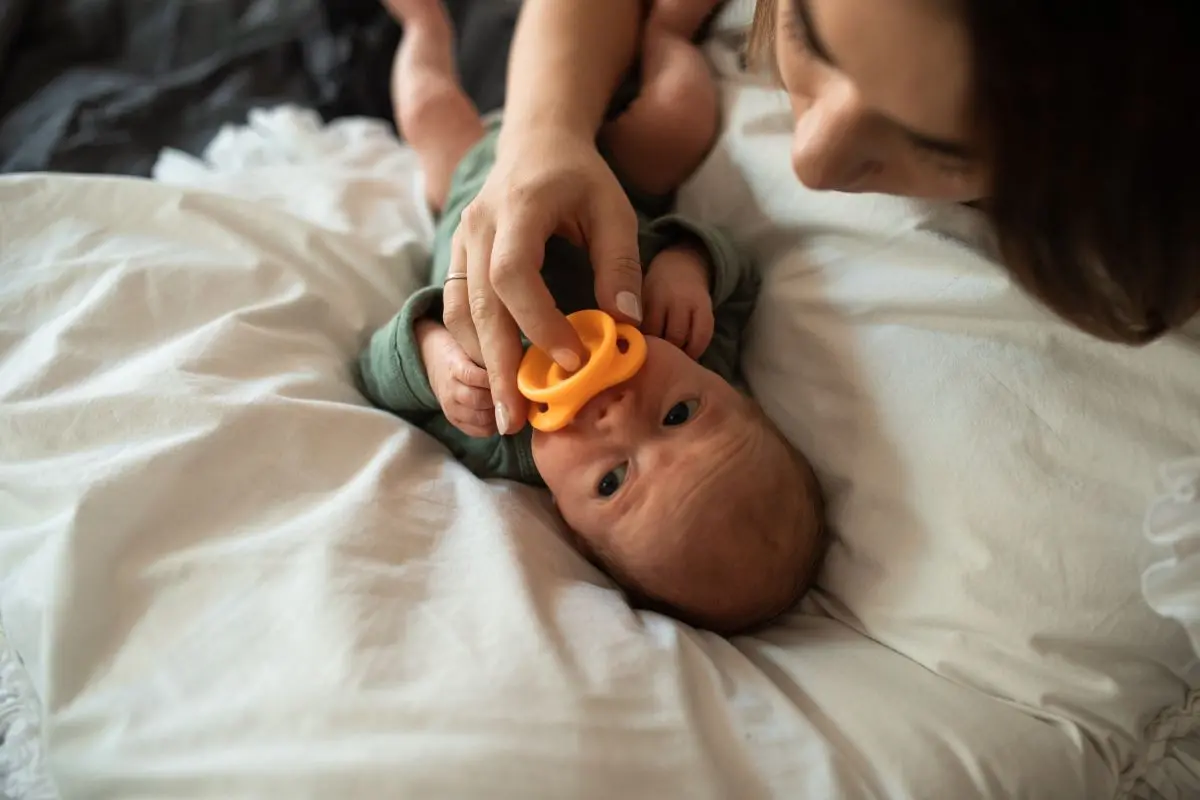
A pacifier can seem like a lifesaver when a baby refuses to settle, but many parents worry whether offering one is a good idea or the start of a habit that is difficult to break. Questions about breastfeeding, dental health and sleep often leave families unsure of what to do.
The reassuring news is that the scientific evidence is more balanced than the debate often suggests. Major health organisations, including the Mayo Clinic and the American Academy of Pediatrics (AAP), say pacifiers can have genuine benefits when used appropriately. At the same time, experts caution against introducing them too early in some situations or allowing children to rely on them for years.
Here's what research says about the benefits, the drawbacks and the safest way to use a pacifier.
Babies are born with a natural urge to suck
Newborns are born with a strong sucking reflex that goes beyond feeding. Known as non-nutritive sucking, it helps babies regulate themselves, feel secure and calm down when distressed.
According to the Mayo Clinic, this is why many infants instinctively suck their fingers, fists or a pacifier even when they are not hungry. The soothing effect can make it easier for babies to settle between feeds or drift off to sleep.
One benefit backed by research: Lower risk of SIDS
Perhaps the strongest scientific argument in favour of pacifier use is its association with a reduced risk of Sudden Infant Death Syndrome (SIDS).
The Mayo Clinic, citing recommendations from the American Academy of Pediatrics, says offering a pacifier during naps and at bedtime is linked to a lower risk of SIDS, although researchers still do not fully understand the biological mechanism behind the effect. Importantly, babies should not be forced to take one, and if it falls out after they fall asleep, there is no need to put it back into their mouth.
Health experts stress that a pacifier is only one part of safe sleep practices. Babies should still be placed on their backs on a firm sleep surface free from pillows, loose blankets and soft toys.
Also Read: How to burp a baby correctly: Different positions every new parent should know
Can it interfere with breastfeeding?
This is one of the biggest concerns among new parents.
Experts generally recommend delaying pacifier use until breastfeeding is well established. According to the Mayo Clinic, waiting for around three to four weeks allows babies and mothers to develop a comfortable nursing routine before introducing a pacifier.
However, evidence reviewed by the Mayo Clinic also notes that introducing a pacifier after breastfeeding has become established does not appear to shorten breastfeeding duration or significantly affect exclusive breastfeeding rates.
More than just a comfort tool
Pacifiers may have practical uses beyond calming a crying baby.
Sucking can help reduce discomfort during minor medical procedures such as vaccinations or blood tests. It may also help babies cope with pressure changes during flights because the sucking action can relieve ear discomfort.
For premature babies, non-nutritive sucking is also used in neonatal care to help develop feeding skills before full oral feeding begins, although this is typically done under medical supervision.
There are downsides if the habit continues too long
Although pacifiers are generally considered safe during infancy, prolonged use can create problems.
Extended use beyond the toddler years increases the likelihood of dental issues, including changes in tooth alignment. Regular pacifier use after infancy has also been linked to a higher risk of middle-ear infections.
Some children may also become heavily dependent on a pacifier for sleep, leading to frequent waking if it falls out during the night.
For these reasons, many health professionals encourage parents to gradually reduce pacifier use during the second year of life, before dental effects become more likely.
Also Read: What is the 7-7-7 rule of parenting? How it can strengthen your bond with your teen
Safety matters as much as the decision itself
If parents choose to use a pacifier, experts recommend following a few important safety rules.
Choose a one-piece pacifier designed for the baby's age, keeping it clean, replacing it when worn or damaged, and never dipping it in sugar or honey. Parents should also avoid attaching pacifiers to long strings or cords because they can pose a strangulation hazard.
Experts also recommend using a pacifier after feeds rather than as a substitute for feeding, ensuring hunger cues are not overlooked.
Science does not suggest that every baby needs a pacifier, nor does it say parents should avoid them altogether. As with many parenting decisions, the best choice depends on the baby's needs, feeding pattern and advice from a healthcare professional if concerns arise.
(Disclaimer: This article is intended for informational purposes only and is based on guidance and research published by health organisations. It is not a substitute for professional medical advice, diagnosis or treatment. Parents and caregivers should consult a paediatrician or other qualified healthcare professional before making decisions.)