Mahashivratri 2026: Muhurat, puja timings, jalabhishek and parana
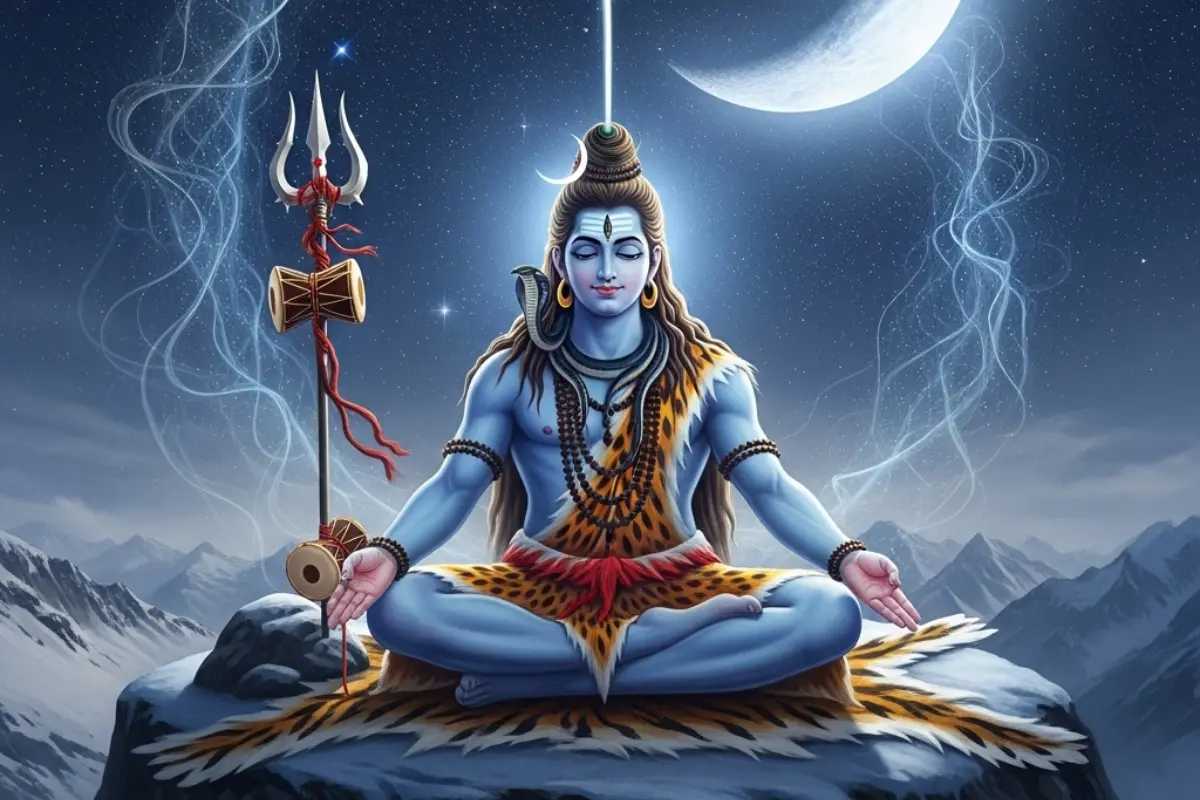
Mahashivratri 2026 is being celebrated on 15 February with devotees across India observing fasting, chanting mantras, and performing puja and jalabhishek to seek the blessings of Lord Shiva and Goddess Parvati.
Known as the “Great Night of Shiva,” the festival symbolises spiritual awakening, the triumph of light over ignorance, and the divine union of Shiva and Parvati. Temples across the country hold night-long vigils, processions, and special rituals, making it one of the most revered occasions in the Hindu calendar.
Significance of Mahashivratri
Mahashivratri, the “Great Night of Shiva,” celebrates the union of Lord Shiva and Goddess Parvati. Devotees believe that worshipping the Shivling with offerings like bel leaves, milk, honey, and sandalwood helps end sorrows and bring spiritual fulfillment. The festival symbolizes the victory of light over ignorance and promotes spiritual awakening, self-realisation, and inner stillness.
Date and tithi
This year, Mahashivratri falls on 15 February 2026, corresponding to the Chaturdashi tithi of Krishna Paksha in the month of Phalgun, which begins at 5:04 pm on 15 February and ends at 5:34 pm on 16 February.
Four Prahar puja timings and mantras
Devotees perform worship through four prahars during the night:
- First prahar (6:39 pm – 9:45 pm): Chant Hreem Ishanaya Namah
- Second prahar (9:45 pm – 12:52 am): Chant Hreem Aghoraya Namah
- Third prahar (12:52 am – 3:59 am): Chant Hreem Vamdevaya Namah
- Fourth prahar (3:59 am – 7:06 am): Chant Hreem Sadyojataya Namah
- Nishita Kaal (most auspicious time): 11:55 pm – 12:56 am, ideal for jalabhishek and rudrabhishek.
Rituals and offerings
Devotees can perform the following rituals to please Lord Shiva:
- Abhishekam: Offer water (Ganga Jal), milk, honey, yogurt, bilva leaves, and sandalwood paste on the Shivling.
- Mantra chanting: Om Namah Shivaye or Maha Mrityunjaya Mantra 108 times.
- Night vigil: Staying awake throughout the night, meditating, and performing puja.
- Charity: Giving food, clothes, or dakshina to the needy.
Special yogas and muhurats
- Sarvartha Siddhi Yoga: 7:00 am – 7:48 pm
- Uttarashada Nakshatra: Until 7:48 pm
- Shravan Nakshatra: Until 8:47 am on 16 February
- Amrit Kaal: 12:59 pm – 2:41 pm
- Brahma Muhurta: 5:21 am – 6:15 am
- Abhijit Muhurta: 12:13 pm – 12:57 pm
- Parana time (fast breaking): 16 February 6:42 am – 3:10 pm
Celebrations across India
Mahashivratri is celebrated with devotion at major temples like Mahakaleshwar Temple (Ujjain), Kashi Vishwanath (Varanasi), Kedarnath, and others. Devotees observe fasting, night vigils, and offer prayers and abhishekam, while single women often pray for a suitable life partner.
Mythology and spiritual practices
It is believed that Lord Shiva performed the Tandava, the cosmic dance, on Mahashivratri, representing creation, preservation, and destruction. Devotees recite stotrams like Shiva Tandav Stotram, Shiva Chalisa, and Lingashtakam to seek blessings. The festival encourages meditation, mantra chanting, and spiritual awakening.
(Disclaimer: This article is based on widely followed beliefs and traditions. Readers are advised to confirm timings and rituals with local temples or pandits before performing puja. Times Now is not responsible for any discrepancies in timings or rituals.)