Lunar New Year 2026 kicks off: Fire Horse celebrations, lion dances, and festive feasts across Asia
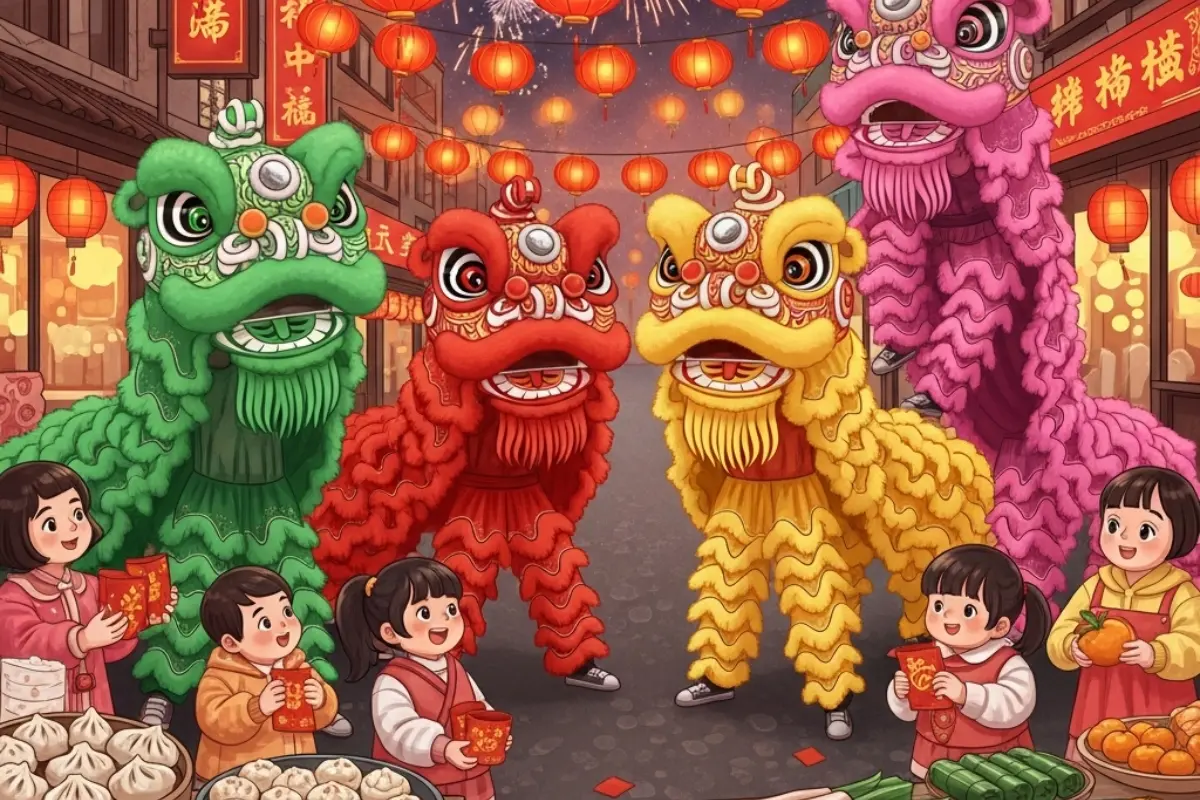
Lunar New Year 2026, marking the Year of the Fire Horse, began on February 17 with celebrations spanning East and Southeast Asia, uniting millions in cultural festivities, family reunions, and traditional customs.
What is Lunar New Year and why it matters
Lunar New Year, also called Chinese New Year or Spring Festival, marks the start of a new zodiac cycle. While closely associated with China, it is celebrated globally across Asia, including in Vietnam (Tết), South Korea (Seollal), Thailand, Japan, and the Philippines. The festival is more than a holiday: it is a season of renewal, honoring ancestors, bringing families together, and setting intentions for the year ahead. In 2026, it ushers in the Year of the Fire Horse, symbolizing passion, bold action, and forward momentum.
Fire Horse 2026: The zodiac and what it means
The Chinese zodiac follows a 12-year cycle. The Horse is the seventh animal in this sequence. The “Fire” element, associated with the color red, adds energy, independence, and a bit of a rebellious streak. Those born in Horse years are seen as adventurous, confident, sociable, and natural leaders.
In Feng Shui, 2026 is viewed as an ideal year for pursuing ambitious projects and taking bold steps, though caution is advised for those born in Horse years (Ben Ming Nian), as it may bring challenges linked to Tai Sui, the God of Age. Red clothing or accessories are traditionally worn to ward off bad luck.
Also read: Indore man killed MBA student, abused her body and performed ‘witchcraft’ to contact her spirit
Celebrations across Asia
China: A record 9.5 billion cross-regional journeys are expected during the holiday, described as the world’s largest annual human migration. Streets, shopping districts, and transport hubs are decorated with zodiac motifs, red lanterns, and festive installations.
South Korea: Incheon International Airport anticipated 720,000 outbound passengers during the five-day holiday. Families gather for traditional meals and temple visits.
Philippines: In Manila’s Binondo, the world’s oldest Chinatown, families enjoy sticky rice cakes, dumplings, stir-fried noodles, and other delicacies. Street vendors sell charms for good fortune, continuing decades-long family businesses.
Australia: Sydney hosted lion dances in Darling Harbour and Town Hall, featuring lions in green, yellow, blue, and pink, entertaining locals and visitors.
Thailand: Bangkok observed subdued celebrations due to a one-year mourning period following the passing of Queen Sirikit. Private festivities still took place in Chinatown, with temple visits and wishes for prosperity.
Food and symbolism
Lunar New Year foods are rich in meaning:
- Dumplings: Represent wealth and prosperity.
- Fish: Symbolizes surplus and abundance.
- Spring rolls: Gold bar shape signifies prosperity.
- Longevity noodles: Ensure long life; never cut them.
- Sweet rice balls: Represent family togetherness.
Red envelopes (hongbao) are given to children and elders as a token of luck. Homes are cleaned to sweep away bad fortune and make room for good luck. Firecrackers and decorations are rooted in the legend of Nian, a mythical beast driven away by loud noises and the color red.
The Lantern Festival: Grand finale
Lunar New Year celebrations conclude on March 3, 2026, with the Lantern Festival. Streets and homes are illuminated by lanterns, representing hope, unity, and renewal. Families gather outdoors to enjoy the displays and honour tradition.
The essence of the festival
Beyond the pageantry, Lunar New Year is a time for reflection, renewal, and reconnecting with loved ones. It blends cultural heritage, family values, and forward-looking optimism. From lion dances in Sydney to dumplings in Binondo and lanterns in China, the festival reminds everyone that the new year is a chance to embrace opportunity, fortune, and bold beginnings.