International Yoga Day 2025 special: Experts answer your doubts about Yoga
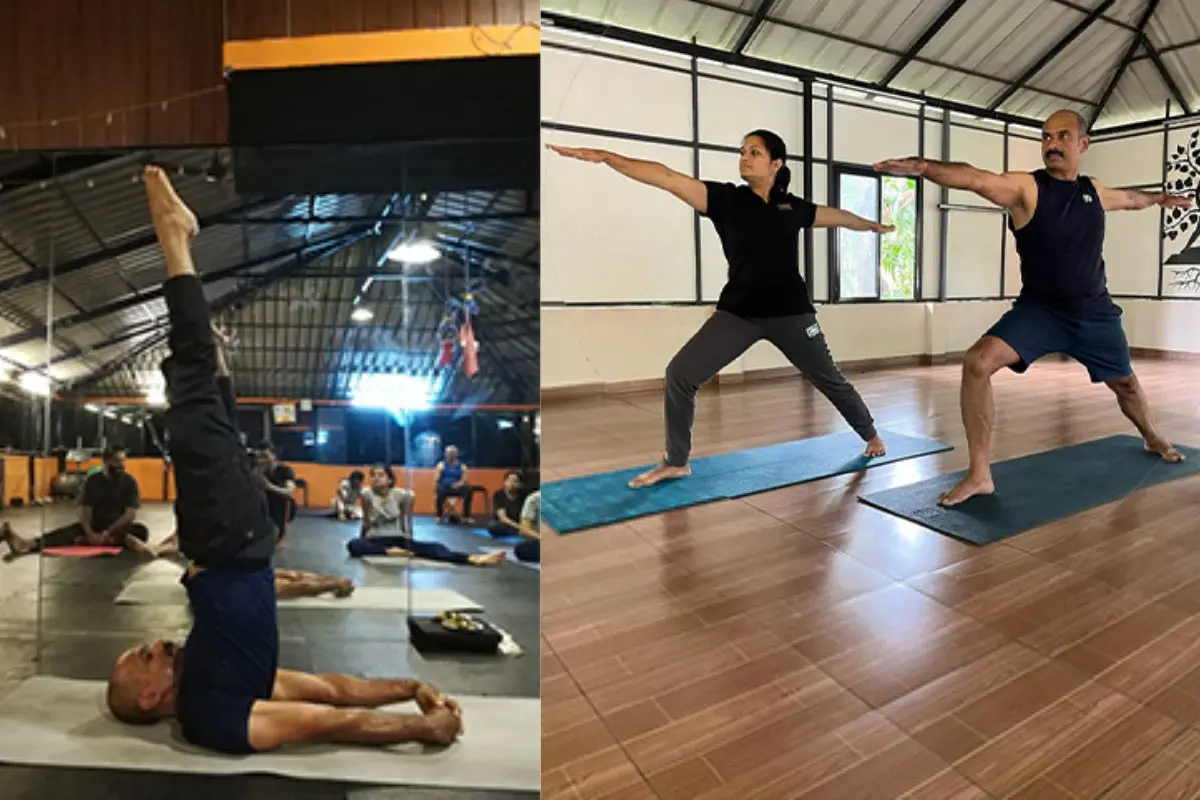
Thiruvananthapuram: As yoga mats unroll and morning routines shift for International Day of Yoga, one question lingers for many: Is yoga really for someone like me?
To clear the air and answer some of the most common doubts, Mathrubhumi caught up with- Ranjith and Vani, experienced trainers at Thrippunithura-based IMA Yoga Academy, who’ve helped over 1,500 people find yoga, not as a trend, but as a tool for everyday life.
Whether you’ve been putting it off because you’re “not flexible enough,” unsure about its link to religion, or just don’t know where to start, consider this your gentle nudge.
Here’s what they had to say, busting myths and answering real questions from real beginners.
1. Is yoga only for flexible people?
No! Flexibility is a result of yoga, not a requirement. Beginners of all body types can start and progress safely.
2. Can yoga help with weight loss and weight gain?
Yes. For weight loss, active styles like Vinyasa or Power Yoga help burn calories. For weight gain, yoga helps reduce stress and improve digestion, supporting healthy weight gain.
3. Is yoga tied to any one religion?
No. Yoga has spiritual roots in Indian philosophy, but modern yoga is not religious. It’s practiced globally by people of all faiths for health and mindfulness.
4. Can I do yoga during periods or pregnancy?
Yes, with caution.
During periods: Gentle poses and breathing exercises are safe; avoid inversions.
During pregnancy: Prenatal yoga is excellent; it helps with flexibility, breathing, and delivery preparation. But always check with your doctor.
5. Do I need to be a vegetarian or follow a strict lifestyle?
Not at all. Yoga encourages healthy habits, but it’s not required. You can still gain all the benefits without changing your diet or beliefs
6. Is yoga just stretching or breathing?
Yoga is much more. It combines:
Asanas (poses) – physical movement
Pranayama (breathing) – energy control
Meditation – mental clarity
Philosophy – awareness, mindfulness, and discipline
7. Can yoga replace medicine or cure illnesses?
Yoga can support healing and manage symptoms (e.g., for diabetes, asthma, anxiety, back pain), but it is not a replacement for medical treatment. Always use yoga alongside medical care.
8. Is it safe for seniors or those with injuries?
Yes. Yoga can be very safe and healing if adapted properly. Chair yoga, gentle flows, and props can help seniors and people with injuries. Always consult a qualified instructor.
9. How is yoga different from regular exercise or gym workouts?
While gyms focus on physical strength, yoga integrates body, breath, and mind for a more holistic approach.
10. Does yoga take years to show results?
Not at all. You may notice benefits like improved sleep, mood, and flexibility in just a few sessions. Long-term practice brings deeper results.
11. Can I learn yoga online, or do I need a trainer?
You can start online, especially with trusted instructors or apps. But for deeper learning or if you have health concerns, a qualified teacher ensures correct form and safety
12. What’s the best time to do yoga; is it only effective in the morning?
Morning is great for energy and consistency, but yoga can be done any time, just avoid heavy meals beforehand. Evening yoga can help with stress relief and sleep.
13. Is once a week enough?
It’s a start! Even once a week helps, especially for mental benefits. But for lasting results, aim for 2–4 times a week, or short daily practices are best.
14. Can children do yoga?
Yes! Kids can start yoga as young as 3–4 years, with fun and age-appropriate movements. It helps with focus, flexibility, and emotional regulation.
15. Is hot yoga or power yoga better than traditional yoga?
Not better—just different.
Hot/Power Yoga: More intense, good for strength and sweating.
Traditional Yoga (Hatha, Iyengar, etc.): Emphasises alignment, breath, and internal balance. It's best to depend on your goals and body.
As more people search for sustainable health solutions, Ranjith and Vani’s message is clear: Yoga is for everyone. Their goal is to make it accessible, welcoming, and effective, no matter your body type or background.
If you’ve been waiting for the right moment to start, International Day of Yoga might just be the perfect time.