How to keep LPG cylinders safe in summer
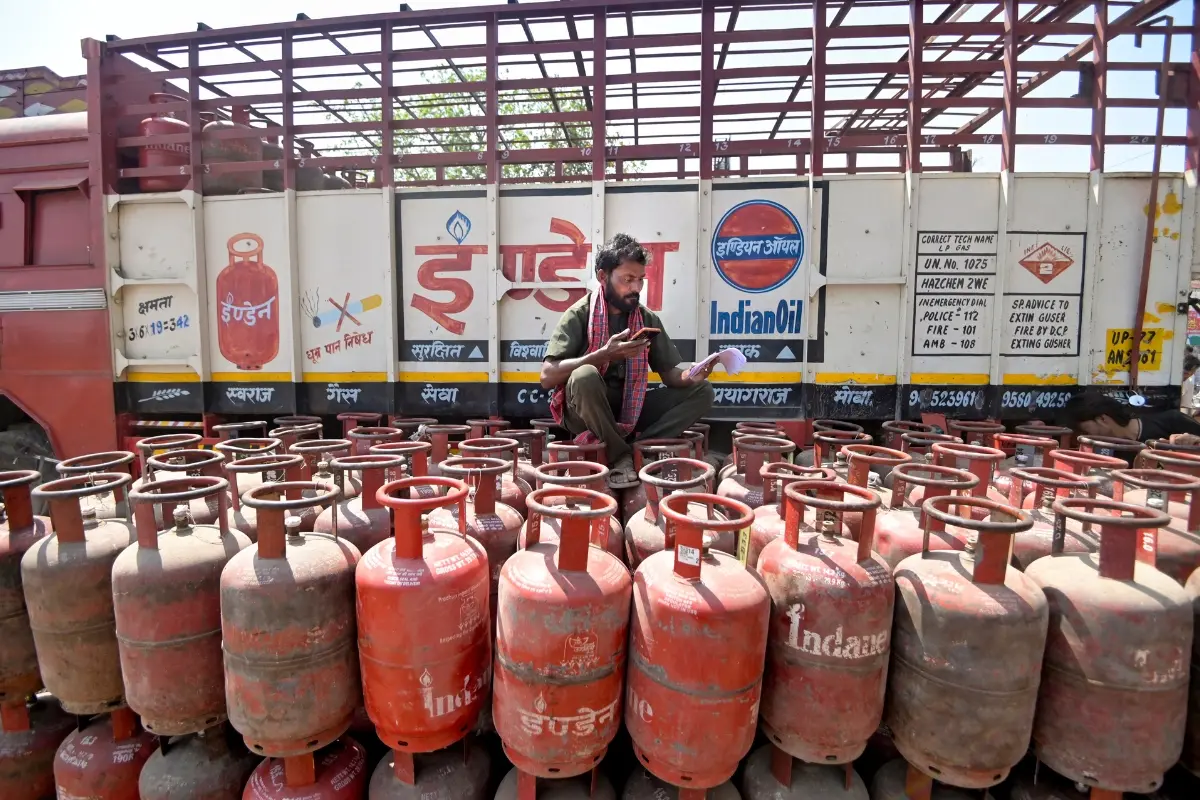
With temperatures soaring across India, safety experts are warning households to take extra care while using LPG cylinders at home. The extreme summer heat can increase pressure inside gas cylinders, raising the risk of leaks, fire hazards, and in rare cases, explosions if safety rules are ignored.
LPG (Liquefied Petroleum Gas) is stored under high pressure, and rising heat can make it unstable if not handled properly. Experts say most accidents can be prevented with simple precautions in storage, usage, and daily handling.
How should you store an LPG cylinder safely during extreme heat?
The most important step is correct placement. Cylinders should always be kept in a cool, shaded, and well-ventilated area. Direct sunlight can increase internal pressure, making the cylinder unsafe over time.
Avoid placing cylinders near windows where sunlight falls directly, or close to ovens, heaters, or any heat-generating appliances. If stored on a balcony, ensure it is properly shaded and airy. Never keep it inside closed cupboards or enclosed spaces.
How can you detect a gas leak before it becomes dangerous?
Heat can weaken rubber pipes and fittings, increasing leak chances. That’s why experts recommend regular weekly checks of hoses, regulators, and valves.
A simple method is to apply soapy water on joints, if bubbles form, it indicates a leak.
If you ever smell gas:
- Immediately turn off the regulator
- Do not switch on lights or electrical appliances
- Open doors and windows for ventilation
- Avoid any flame or spark
Even a small ignition source can trigger a serious fire.
How far should an LPG cylinder be kept from fire sources?
Distance matters more than most people realize. Cylinders should be placed at least 5 feet away from stoves, flames, and electrical points.
Never store flammable items near the cooking area. Even curtains close to the stove can become a fire hazard if they catch heat.
Why should LPG never be stored in closed or low spaces?
LPG is heavier than air, which means it can settle near the floor if leaked. In closed rooms or low-ventilation areas, this creates a hidden danger zone where gas can accumulate unnoticed.
Always ensure proper airflow around the cylinder and stove area.
What is the safest way to switch off an LPG cylinder after cooking?
Many users make the mistake of turning off only the stove knob. However, experts stress that this is not enough.
The correct method is:
- Turn off the stove burner first
- Then close the main cylinder valve
- Ideally switch off the regulator at night
This ensures no gas remains trapped in the pipeline, reducing leakage risk.
Children should also be kept away from the cooking area and LPG setup at all times.