How to check for heart attack symptoms and warning signs
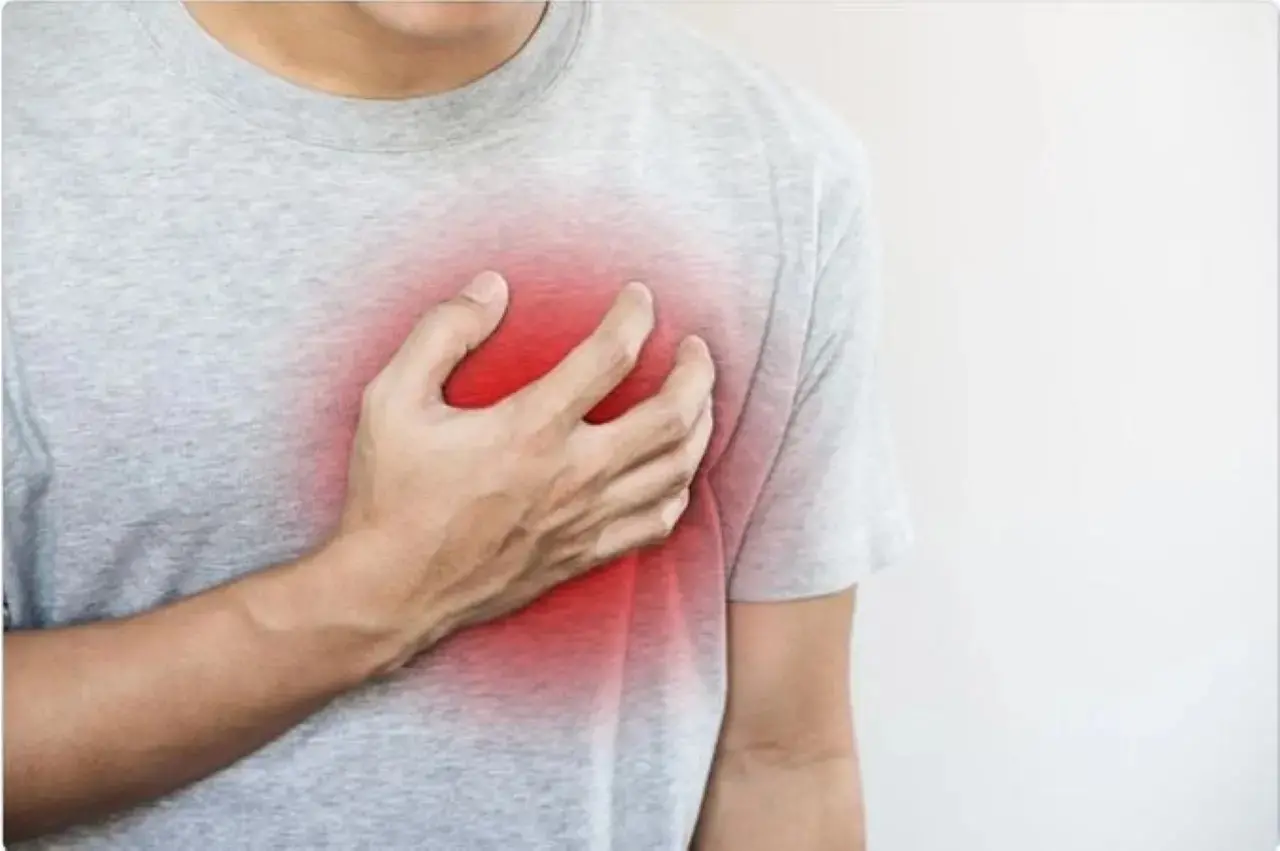
A heart attack occurs when the heart muscle's blood supply is cut off, usually by a blood clot. As a medical emergency, this needs to be treated right away, preferably within minutes, to avoid life-threatening harm. Although some heart attacks strike suddenly, the body usually sends out early warning signals that shouldn’t be ignored. Recognising these signs in time can be life-saving.
This article deals with how to check the warning signs of a heart attack to help identify a heart attack early and act fast:
Chest discomfort or pain
- The most common symptom of a heart attack is chest pain or tightness. It may feel like pressure, squeezing, fullness, or heaviness in the centre of the chest. This discomfort may come and go, often mistaken for heartburn or indigestion. However, any kind of chest pain, no matter how severe or mild it is, should be treated as a medical emergency.
Pain radiating beyond the chest.
- Heart attack pain can spread to other parts of the body, such as the arms, shoulders, back, neck, jaw, or upper stomach. This happens because the heart shares nerve pathways with these areas. Women are more likely to feel pain in these regions rather than in the chest itself. Persistent or sudden pain in these areas, especially when paired with chest discomfort, warrants immediate medical attention.
Shortness of breath
- Difficulty in breathing, even without chest pain, can signal an early heart attack. When the heart can’t pump efficiently, fluid builds up in the lungs, causing breathlessness. If this occurs suddenly, while resting, or during light activity, it should not be ignored. Seek medical help immediately.
Cold sweating or clamminess
- Breaking out in a cold, clammy sweat for no apparent reason can indicate that the heart is under stress. This sweating is often accompanied by weakness or uneasiness. If it occurs alongside chest pain or breathing trouble, emergency care is needed right away.
Nausea, indigestion, or stomach discomfort
- Women may experience nausea, vomiting, or stomach pain during a heart attack. These symptoms are often mistaken for food poisoning or acid reflux. However, when digestive discomfort appears suddenly with chest pain or fatigue, it may point to a cardiac event. Inform a doctor immediately.
Light-headedness or dizziness
- Feeling dizzy or faint for no clear reason can occur when the heart isn’t delivering enough blood to the brain. This drop in blood pressure may signal an irregular heartbeat or other serious cardiac issues. These symptoms should never be brushed off; prompt medical evaluation can prevent further complications.
Unusual fatigue or weakness
- A sense of unexplained tiredness or extreme weakness, especially after light activity, can indicate that the heart is struggling. This fatigue often feels overwhelming and may come with breathlessness or mild chest discomfort. Immediate medical attention can greatly improve survival outcomes.