Obesity screening in older adults: Why waist-to-height ratio outperforms BMI
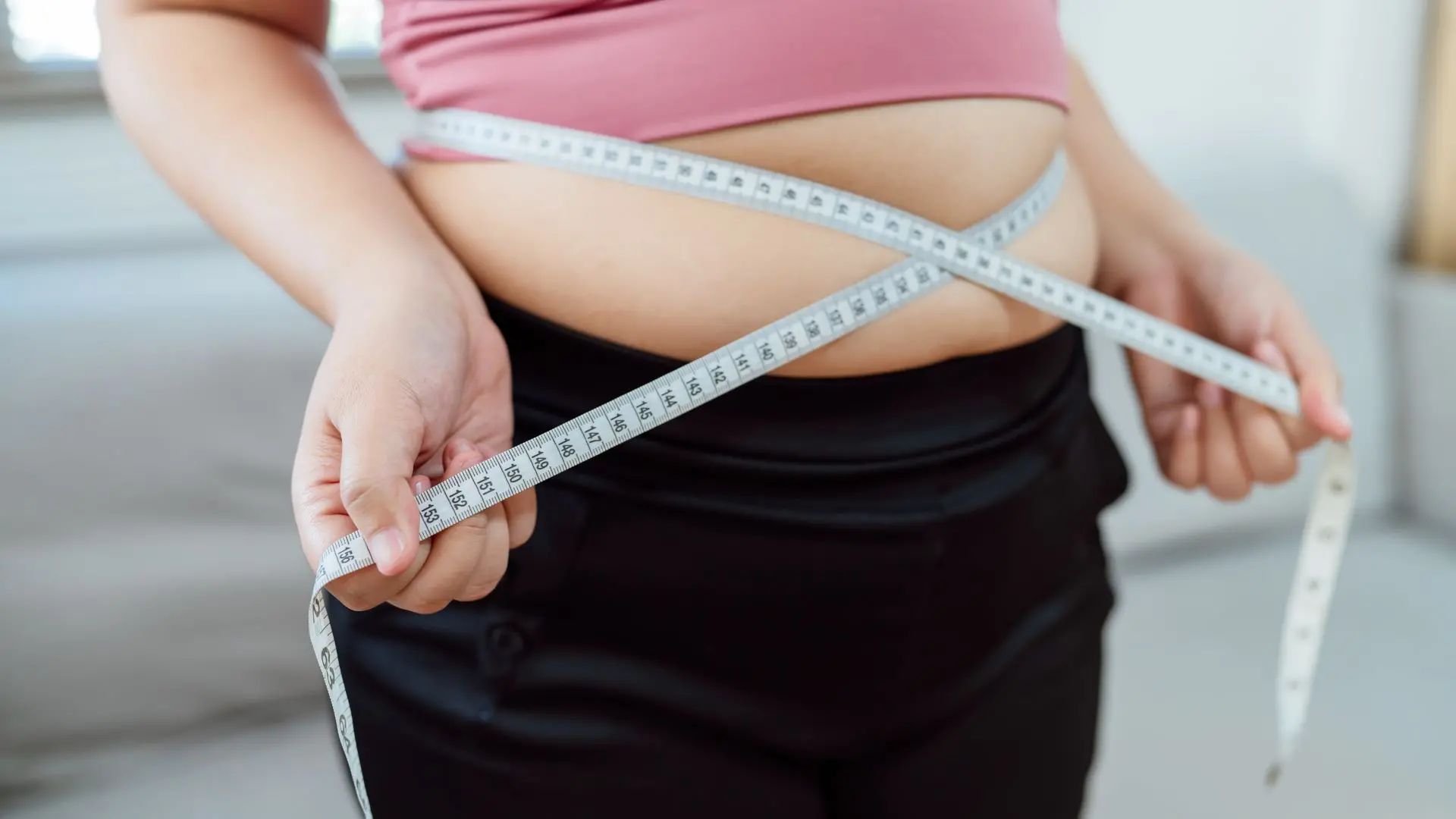
London: New research suggests that the waist-to-height ratio is a more accurate and reliable indicator of age-related obesity risk than the widely used body mass index (BMI), particularly among older adults in the UK.
With the UK’s population ageing, obesity and associated health conditions are placing an increasing burden on the National Health Service (NHS). Experts say adopting the waist-to-height ratio as a routine screening tool could help identify at-risk individuals earlier, enabling timely preventive healthcare interventions.
Unlike BMI, which cannot differentiate between fat and muscle mass, the waist-to-height ratio better reflects visceral fat, the abdominal fat linked to higher risks of heart disease, diabetes, and other health complications.
The study, conducted by the Universities of Sheffield and Nottingham, analysed obesity trends in England from 2005 to 2021 using data from the Health Survey for England. Researchers compared BMI with other waist-related measures, including the waist-to-height ratio, to examine whether obesity trends were primarily driven by ageing, environmental factors, or generational differences.
Dr Laura Gray, from the University of Sheffield’s School of Medicine and Population Health, said, “BMI is a really well-known and well-understood measure. However, it could be misleading people, particularly older people and those with less muscle mass, into thinking they are not at risk of obesity.”
She added, “Waist-to-height ratio is also a lot easier for people to understand and remember than more complex BMI categories, particularly in children. People can easily check their own risk with a measuring tape. If your waist is less than half your height, that's a good indicator you're at a healthy weight.”
Dr Magdalena Opazo-Breton, co-author from the University of Nottingham, noted that increases in obesity have largely been driven by environmental changes, not just individual behaviours. “This highlights the need for systemic action by policymakers to address the broader food environment,” she said.
The researchers also warned that relying solely on BMI could lead to underdiagnosis of obesity in older adults, potentially leaving many high-risk individuals without access to necessary healthcare support.
“If we under-diagnose obesity in older adults because we're relying solely on BMI, then this could mean we fail to identify large proportions of people who are at high risk and can benefit from healthcare interventions,” Dr Gray added.
PTI