Can a twice-a-year injection really stop HIV? US approves world’s first preventive shot
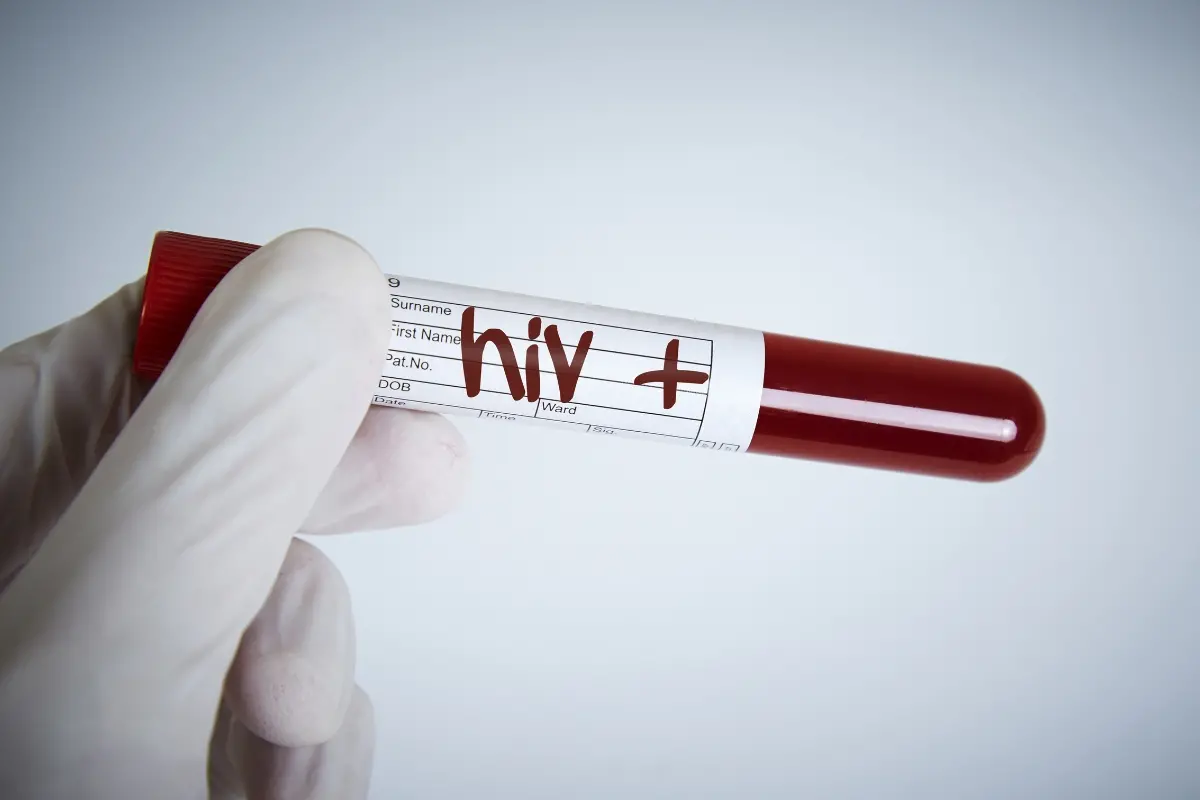
Washington: The United States has approved the world’s first twice-a-year injection to prevent HIV. T
his new shot, called lenacapavir, offers powerful protection for people at risk of HIV and could be a game-changer in the global fight against the virus.
The injection is made by Gilead Sciences, and experts believe it’s one of the most promising tools available, especially while we still wait for an effective vaccine.
How does it work?
Lenacapavir is taken as two injections every six months. It works by leaving a small amount of the medicine (a "depot") under the skin in the belly area, where it slowly enters the bloodstream. People must first test negative for HIV before they receive the shot, which only protects against HIV, not other sexually transmitted diseases.
Gilead will sell the prevention version under the name Yeztugo. It’s a long-lasting alternative to daily pills or the current PrEP shot taken every two months. This could help people who find it difficult to stick to daily routines or face stigma.
Why this is a big deal
Lenacapavir was found to be extremely effective in two major studies.
In one study of young women and teen girls in South Africa and Uganda, not a single person who took the shot got HIV, while 2% of those taking daily pills got infected.
Another study involving gay men and gender non-conforming people across the US and other countries showed nearly the same success rate.
“This could truly stop HIV transmission,” said Greg Millett from amfAR, a global AIDS research organisation.
But there’s a catch: Access and cost
Despite its promise, experts are concerned that many people who need it might not be able to get it.
In the US, the shot’s list price is $28,218 per year, though insurance and assistance programs may help cover the cost.
Access could also be limited due to cuts in public health funding, changes to Medicaid, and possible legal challenges that could remove insurance coverage for PrEP altogether.
Carl Schmid from the HIV+Hepatitis Policy Institute warned that the country’s prevention programs are already under strain, and fewer people may hear about or get access to the shot.
What about the rest of the world?
Globally, around 1.3 million people still get HIV every year, with over 30,000 new cases in the US alone. Only 400,000 Americans currently use any form of PrEP, which shows how far access still has to go.
Gilead has applied for approvals in other countries and made deals with six generic manufacturers to create cheaper versions for 120 low-income countries, mainly in Africa, Asia, and the Caribbean.
Until those generics are ready, Gilead says it will supply enough doses for 2 million people at no profit.
But critics like Winnie Byanyima from UNAIDS argue the price is still too high. “If people can’t afford it, it won’t change anything,” she said.
Middle-income countries left behind?
Another concern is that middle-income nations, such as those in Latin America, were not included in Gilead’s low-cost deals. This leaves a gap in access for many who are still at high risk.
Dr. Gordon Crofoot, who led the male-focused study, said: “Everyone, everywhere who is at risk of HIV should have access to prevention like this.”