Before you plan a baby, check this blood disorder: Doctors stress Thalassemia carrier testing
Most couples planning a pregnancy focus on things like nutrition, scans, folic acid supplements, or fertility timelines. What often gets missed is something far simpler but extremely important — checking whether both partners are carriers for thalassemia.
Thalassemia is an inherited blood disorder, and many carriers have absolutely no symptoms. They feel healthy, lead completely normal lives, and often have no idea they carry the gene unless specifically tested for it. This is exactly why it tends to go unnoticed until pregnancy planning or, in some cases, after the birth of an affected child.
Why carrier testing matters before pregnancy
A lot of couples are surprised when doctors advise thalassemia screening before conception because they assume family history would make the risk obvious. In reality, many carriers have no known family history at all. The condition can quietly pass through generations without drawing attention.
The concern arises when both partners happen to be carriers. In that situation, there is a significant chance of the baby inheriting a more severe form of thalassemia, which can lead to lifelong blood transfusions, repeated hospital visits, growth problems, and major medical complications beginning early in childhood.
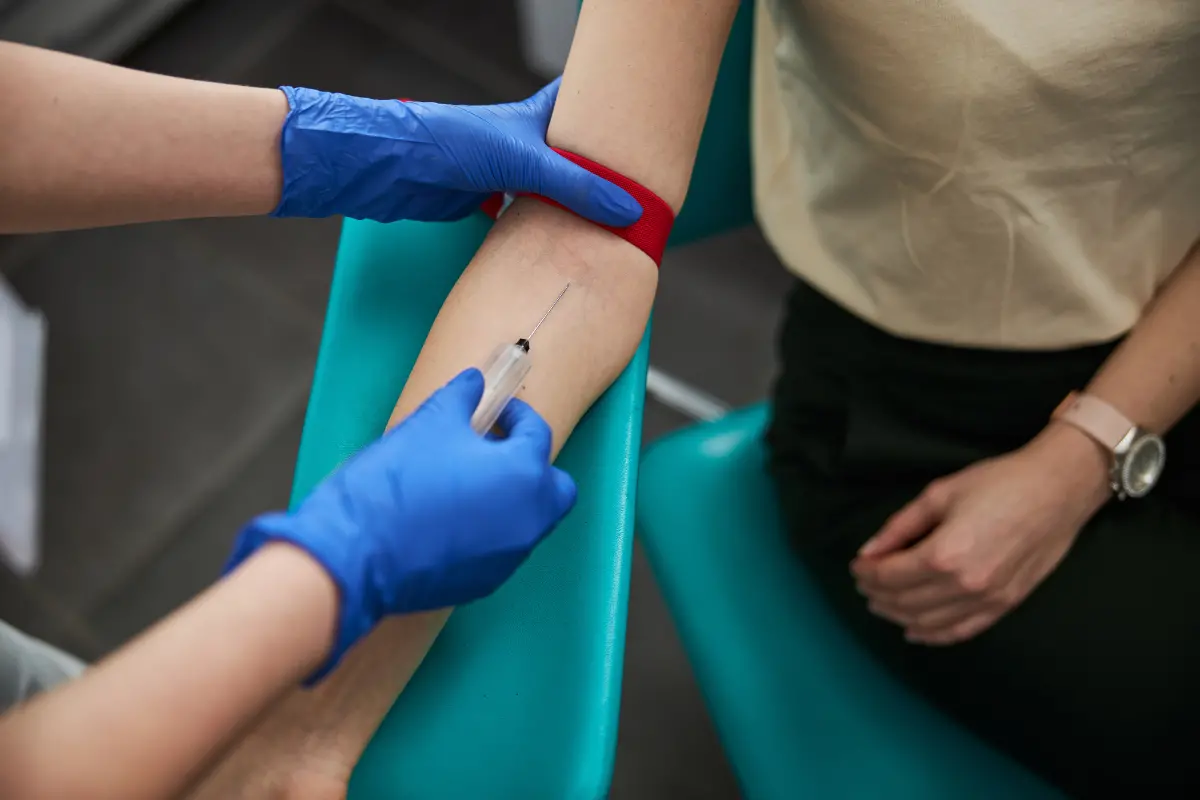
What makes this particularly frustrating from a medical perspective is that screening is neither complicated nor very expensive. A simple blood test done before pregnancy can identify carrier status in many cases. Yet testing is still not part of routine awareness for a large section of the population.
Women are often diagnosed incidentally during pregnancy after routine blood work shows unexplained anemia that does not improve easily with iron supplements. Further evaluation then reveals carrier status, and only afterward does partner testing get discussed. Ideally, these conversations should happen much earlier, before conception itself.
A preventive step many couples still miss
There is also a common misconception that thalassemia only affects certain communities or regions. While prevalence may be higher in some populations, carriers are seen across diverse backgrounds. Assuming there is “no risk” based only on ethnicity or appearance is unreliable.
The emotional impact on families can be considerable when diagnosis happens late. Couples frequently say they had never even heard of carrier screening beforehand. That lack of awareness remains one of the biggest gaps in preventive reproductive care today.
Preconception counselling is not only about fertility. It is also about identifying preventable genetic risks early enough for couples to make informed decisions calmly, rather than during the stress of an ongoing pregnancy.
A simple screening test done at the right time can completely change how a family plans for the future.
The author is Dr. Manjula Anagani, a Padma Shri awardee and leading robotic gynaecologist.