PCOS is now PMOS: Why the condition affecting millions of women got a new name
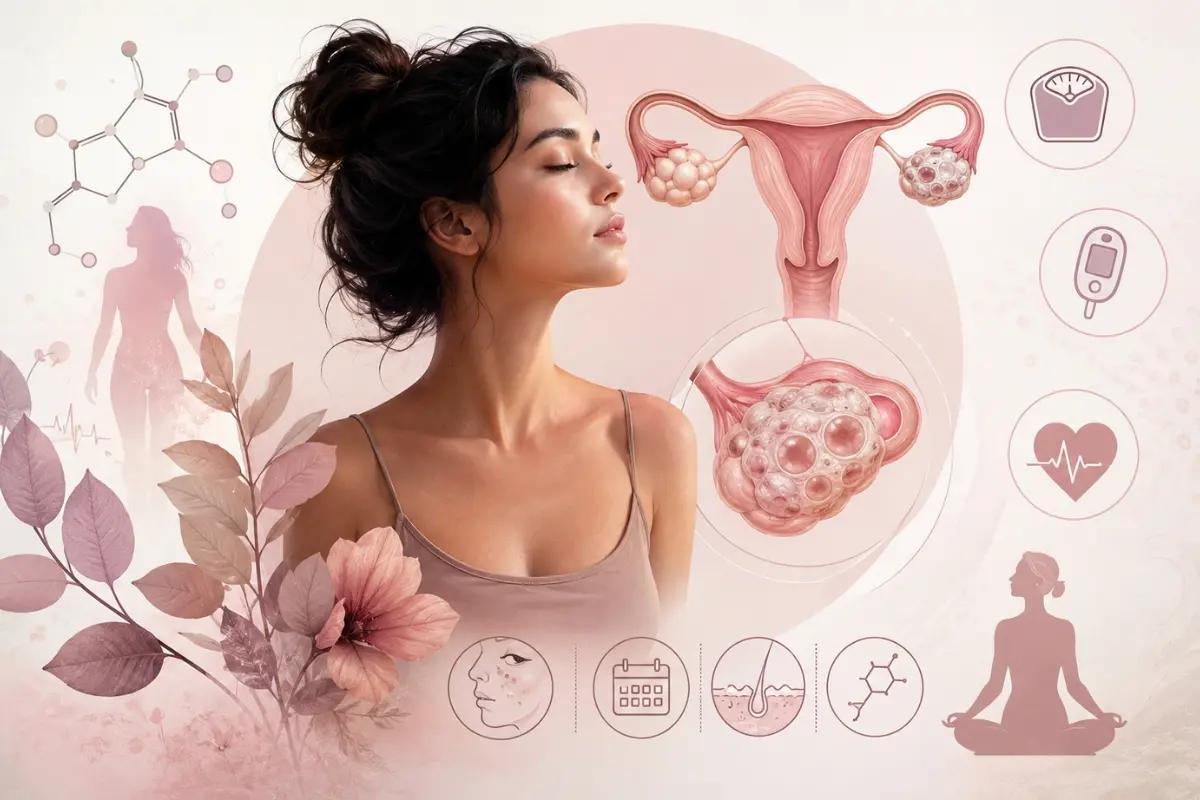
For years, millions of women were told they had a condition named after something many of them did not even have. The term “polycystic ovary syndrome” shaped conversations around fertility and ovaries, while quietly overlooking the far bigger hormonal and metabolic chaos happening inside the body. Now, after years of criticism from doctors and patients alike, PCOS has officially been renamed PMOS — a change experts say is not just cosmetic, but a major reset in how one of the world’s most misunderstood women’s health disorders is recognised and treated.
One of the world’s most commonly misunderstood hormonal disorders has officially been renamed. What millions knew for decades as PCOS, or polycystic ovary syndrome, will now be called PMOS — polyendocrine metabolic ovarian syndrome.
The change may sound technical at first, but experts say it could reshape how the condition is understood, diagnosed and treated around the world.
Doctors and researchers behind the decision argue that the old name oversimplified a disorder that affects far more than the ovaries. In reality, the condition influences hormones, metabolism, fertility, mental health, skin health and long-term disease risk.
For years, many women diagnosed with PCOS said the name itself created confusion. Some believed they must have ovarian cysts to have the disorder, while others were told they did not “fit” the condition because scans did not show cysts at all.
According to endocrinologists involved in the renaming process, that misunderstanding delayed diagnoses and often narrowed treatment options.
Why experts say the term “PCOS” was inaccurate
The biggest issue with the older term was the word “polycystic”.
Doctors explain that many patients with the condition do not actually develop true ovarian cysts. Instead, scans may show immature or “arrested” follicles — eggs that failed to fully mature because of hormonal disruption.
These follicles are biologically different from pathological cysts, which can rupture, bleed or require surgery.
Experts say the older terminology unintentionally led both patients and healthcare providers to focus too heavily on ovarian appearance instead of the underlying endocrine and metabolic dysfunction happening throughout the body.
That misunderstanding became especially problematic because PMOS is now increasingly linked to broader health risks, including:
- Insulin resistance
- Obesity
- Type 2 diabetes
- Heart disease
- Stroke risk
- Anxiety and depression
- Infertility complications
Researchers say the old name simply failed to reflect the true scale of the condition.
What PMOS stands for — and why each word matters
The new name was carefully designed after years of consultation involving medical organisations, researchers and patient advocacy groups.
Each part of the new term reflects a different aspect of the disorder:
- Polyendocrine
This refers to the involvement of multiple hormone systems, not just reproductive hormones. PMOS affects insulin, testosterone and other endocrine pathways throughout the body.
- Metabolic
This highlights the condition’s strong connection to metabolism, weight regulation and insulin resistance. Experts say this is one of the most overlooked aspects of the disorder.
- Ovarian
The ovaries are still involved, particularly in ovulation and hormone production, so the term remains part of the diagnosis.
- Syndrome
Symptoms vary widely from person to person, making it a syndrome rather than a single uniform disease.
Doctors believe the updated terminology better captures the full-body impact of the condition instead of reducing it to a reproductive issue alone.
The symptoms many women struggle to connect together
One reason PMOS often goes undiagnosed is because its symptoms can appear unrelated at first.
Some women experience severe acne and irregular periods. Others struggle with unexplained weight gain, excess facial hair, scalp hair thinning or fertility issues.
Many also deal with emotional and mental health challenges that are rarely discussed openly.
Doctors say insulin resistance plays a major role in many cases. High insulin levels can overstimulate the ovaries, leading to increased testosterone production, which then triggers many visible symptoms.
Because symptoms differ so widely, patients often move between dermatologists, gynaecologists, endocrinologists and fertility specialists before finally receiving a diagnosis.
Experts estimate that a large percentage of people living with PMOS may still be undiagnosed globally.
Why the name change could affect future treatment and awareness
Supporters of the move say the biggest impact may not be the name itself, but the shift in medical thinking behind it.
For years, PMOS was largely treated as a reproductive or fertility issue. Researchers now want doctors to recognise it as a lifelong metabolic and hormonal condition that requires broader care.
The new terminology could influence:
- Medical education
- Public awareness campaigns
- Research funding
- Earlier diagnosis
- Mental health support
- Metabolic disease screening
Experts also hope the change reduces stigma and confusion around the disorder.
Many women with PMOS have said the older name made them feel misunderstood, especially when they did not have ovarian cysts or when doctors dismissed symptoms unrelated to fertility.
Treatment still focuses on long-term lifestyle and hormonal balance
Although the name has changed, doctors say treatment principles remain similar.
Lifestyle management continues to be considered one of the most effective approaches, especially for patients dealing with insulin resistance.
Common recommendations include:
- Regular exercise
- Better sleep quality
- Reduced processed food intake
- Weight management support
- Stress reduction
Medical treatment may involve hormonal therapy, birth control, anti-androgen medications or insulin-sensitising drugs such as Metformin.
Experts stress that treatment must be individualised, because no two PMOS cases present in exactly the same way.
For some women, fertility support may become the priority. For others, the main concern may be mental health, acne, weight management or preventing future diabetes risk.
More than a name change
Doctors involved in the renaming effort say PMOS represents more than medical rebranding. They see it as an attempt to correct decades of misunderstanding surrounding a condition that affects millions globally.
The hope is that by replacing an outdated and misleading term, more women will receive earlier diagnoses, more complete treatment and better long-term care.