Obesity and fatty liver: When should you consider surgery?
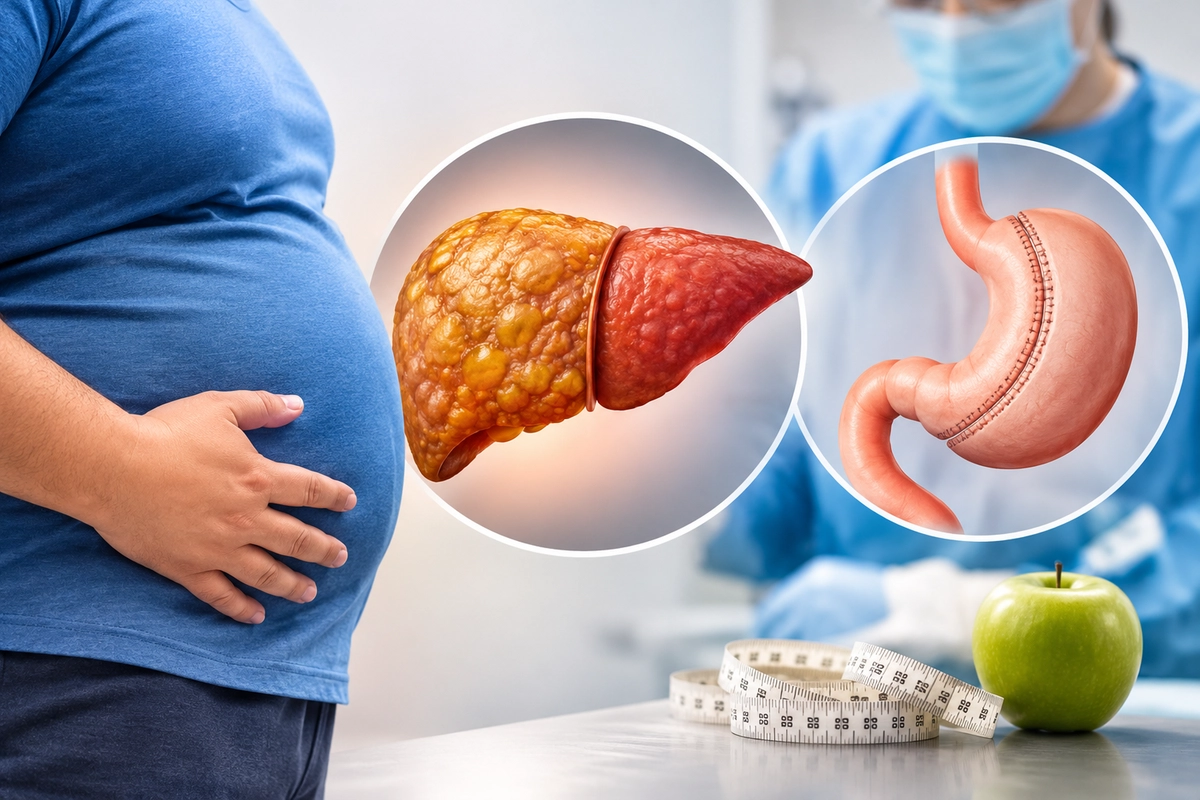
With the rising epidemic of obesity, metabolic syndrome, and type 2 diabetes mellitus , metabolic dysfunction-associated steatotic liver disease has become the most prevalent chronic liver disease.
Metabolic dysfunction-associated fatty liver -Early stage of MASLD. Defined as Hepatic steatosis identified by imaging techniques or ≥5% of macrovesicular steatosis by liver histology. Obesity is a chronic metabolic endocrine disorder characterized by excessive accumulation of body fat and overweight.
First-line treatment for metabolic dysfunction-associated steatotic liver disease (MASLD) consists of lifestyle changes, with the aim of achieving weight loss greater than 7-10% to obtain histological improvement. However, it has been shown that less than 10% of patients achieve these goals in a sustained manner with conventional dietary and medical management. In recent decades, metabolic and bariatric surgery has become a promising treatment for MASLD in people with obesity.
According to the most recent literature, bariatric surgery is indicated in adults with:
- MI ≥ 40 kg/m2, regardless of comorbidities, given their high risk of progression to MASH, advanced fibrosis, and cirrhosis.
- BMI ≥ 35 kg/m2 with associated comorbidity. MASLD and MASH are currently recognized as relevant comorbidities along with type 2 diabetes, uncontrolled hypertension, dyslipidemia, osteoarthritis, and urinary incontinence, especially if there is evidence of significant hepatic fibrosis (F ≥ 2).
- BMI ≥ 35 kg/m2 when lifestyle changes and pharmacological therapy have failed.
- Patients with severe MASLD and low surgical risk, in whom bariatric surgery not only improves weight but also induces histological regression.
Guidelines suggest the use of endoscopic bariatric and metabolic therapies in adults with obesity, specifically in patients with BMI ≥ 30 kg/m2, or with BMI 27-29.9 kg/m2 and at least one obesity-associated disease. They are always recommended in combination with lifestyle modifications. The field of endoscopic bariatrics has advanced considerably in the last decade
Endoscopic sleeve gastroplasty
It uses endoscopic suturing systems to reduce gastric capacity without anatomical resection
Intragastric balloons
These consist of silicone balloons filled with saline solution that are placed endoscopically and removed after 6 months. They have been shown to induce significant weight loss in the short term and improvement in steatosis and hepatic fibrosis markers in patients with MASLD.
Bariatric surgery plays an important role in MASLD, especially in patients with obesity. Current evidence shows that bariatric surgery induces significant and sustained weight loss, with average reductions of 25-30% of body weight, which translates into substantial improvements in hepatic steatosis, inflammation, and hepatic fibrosis, as well as significant improvement in glycemic control (HbA1c reduction around 24.4%)
Sleeve gastrectomy
It consists of resection of approximately 80% of the stomach, leaving a narrow gastric tube. It is the most frequently performed procedure in patients with metabolic liver disease
Roux-en-Y gastric bypass
This procedure creates a small gastric reservoir that connects to the small intestine, excluding the duodenum and part of the jejunum. It has shown substantial benefits in the resolution of steatosis and hepatic fibrosis, with robust metabolic effects
Bariatric surgery is an effective tool for modifying the natural evolution of MASLD in patients with obesity and metabolic comorbidity, improving both hepatic and cardiovascular outcomes. It constitutes the most effective interventional treatment for achieving sustained weight loss, metabolic improvement, and regression of hepatic damage, while endoscopic techniques emerge as promising alternatives for patients with lower BMI or high surgical risk.
Dr Arun P is an Associate Consultant in the Department of Gastroenterology at KIMSHEALTH, Thiruvananthapuram.