How Delhi’s air and secondhand smoke are making non-smoking women cancer victims
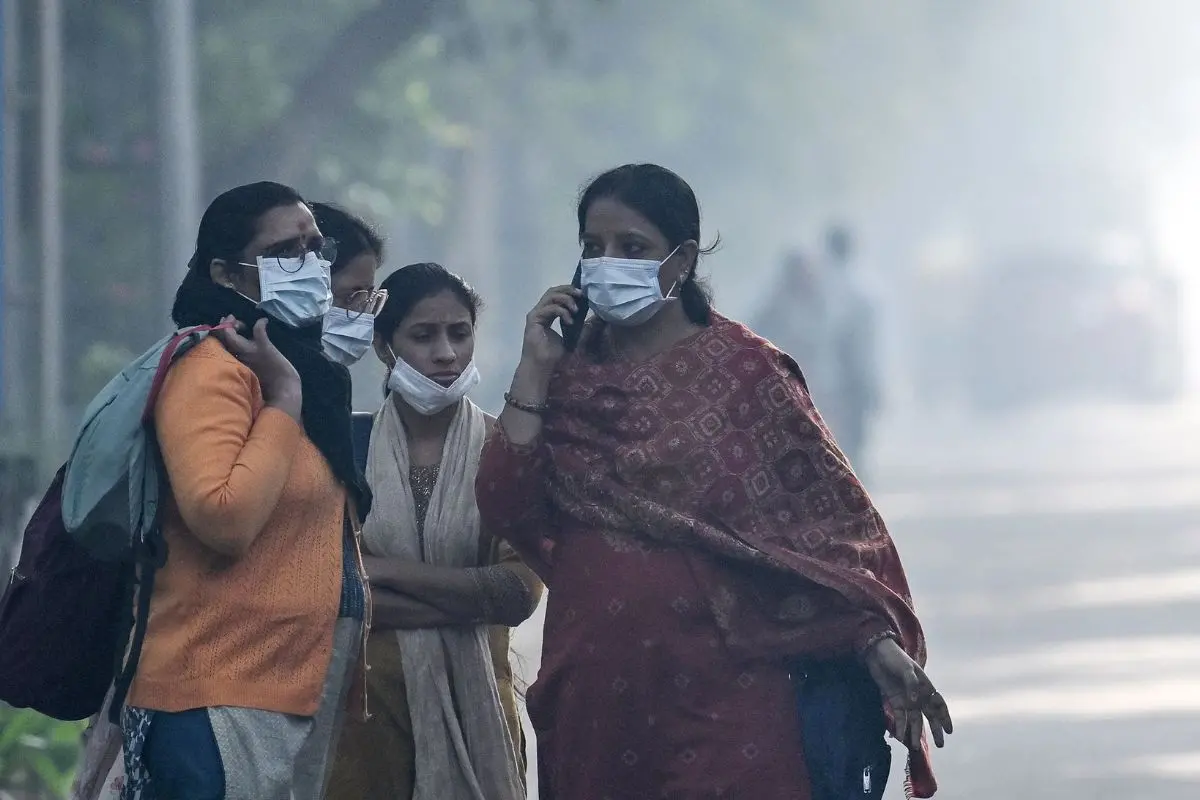
As Delhi’s air quality continues to plummet into the “severe” category this winter, doctors are warning of a disturbing new health crisis — a sharp rise in lung cancer cases among women who have never smoked a day in their lives.
Speaking to Mathrubhumi on this pressing health issue, Dr Tanvi Bhatt, Pulmonologist at Zynova Shalby Hospital, Mumbai, said that “an increasing number of women are being diagnosed with lung cancer despite never having smoked.”
November, observed globally as Lung Cancer Awareness Month, highlights this alarming shift — where environmental factors and air pollution have emerged as silent killers.
While lung cancer was once primarily associated with male smokers, new hospital data suggests a worrying spike among urban women exposed to toxic air, secondhand smoke, and indoor pollutants.
In cities like Delhi, Gurugram, and Mumbai, the deadly mix of vehicular emissions, construction dust, and fine particulate matter (PM2.5) has become an invisible cigarette for millions of women.
Dr Bhatt explained, “Lung cancer develops when abnormal cells in the lungs grow uncontrollably, forming tumors that can interfere with breathing and spread to other parts of the body. While smoking remains a primary cause, a growing number of women with no history of smoking are being affected.”
She added that long-term exposure to polluted air can damage lung tissue, while indoor pollutants — such as unventilated kitchen smoke or biomass fuel — can further raise cancer risks.
“Exposure to secondhand tobacco smoke can trigger inflammation and DNA damage in lung cells, and genetics can also raise the risk of lung cancer in women who don’t smoke. So, around 30% of women who are non-smokers can suffer from lung cancer,” Dr Bhatt noted.
The symptoms to watch for include a persistent cough, shortness of breath, chest discomfort, fatigue, and sudden weight loss.
Dr Bhatt urged early detection: “Women experiencing persistent respiratory symptoms should consult a doctor for imaging and diagnostic tests.” Treatment, she said, depends on the stage of cancer and may involve surgery, chemotherapy, radiation therapy, targeted therapy, or immunotherapy.
“The line of treatment will be decided by the treating doctor. Follow the guidelines given by the doctor and improve the quality of life,” she added.
In a city like Delhi, where the Air Quality Index (AQI) often crosses 500, the danger is not limited to those lighting up cigarettes — every breath can be as harmful as smoking several.
Experts warn that even a few hours of exposure to this toxic haze can lead to chronic lung inflammation, fibrosis, and cancer over time.
Dr Bhatt concluded with a stark reminder: “Non-smoking women are increasingly affected by lung cancer due to environmental and lifestyle factors.
It is imperative to raise awareness and take preventive measures, including reducing exposure to smoke and pollutants, to prevent cancer. So, be attentive when it comes to your lungs and take utmost care of them. Stay alert, and protect the lungs.”