Australian study: Tongue muscle scans may reveal early signs of Motor Neurone Diseases
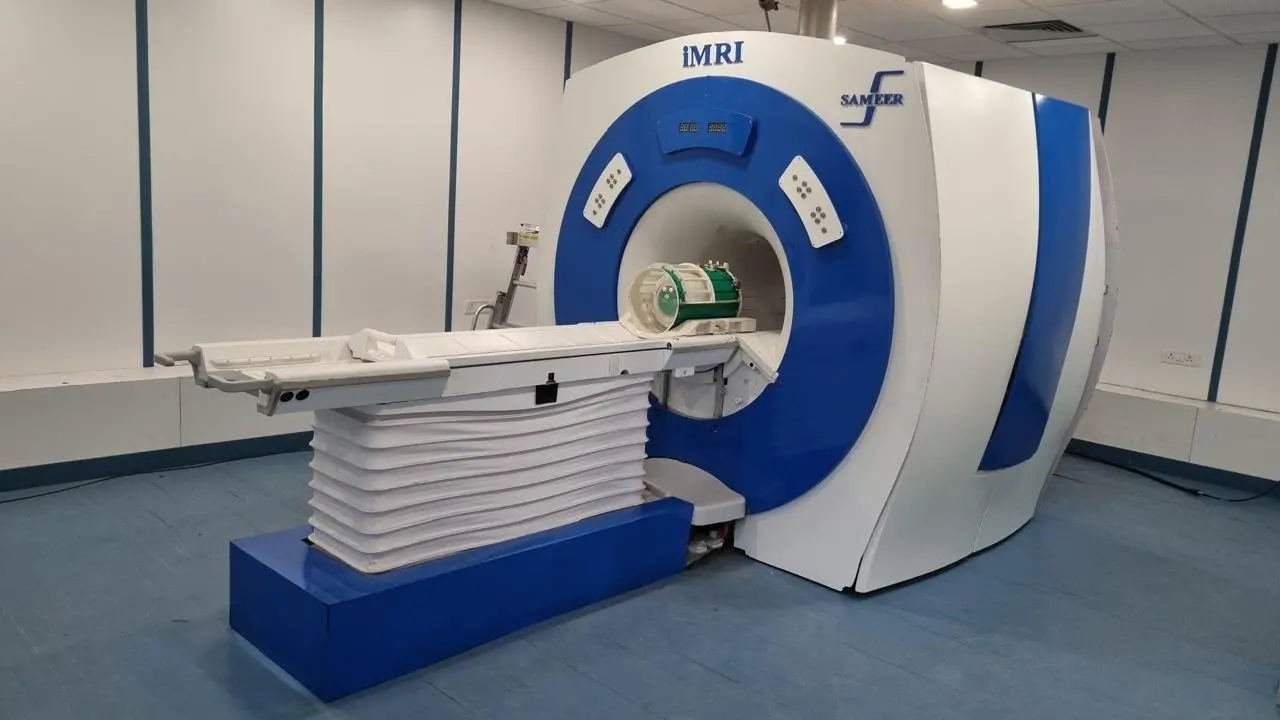
New Delhi: MRI scans of a person’s tongue could help detect and monitor Motor Neurone Disease (MND) at an early stage, according to new research.
Scientists at the University of Queensland, Australia, found that individuals living with MND, also known as ALS, who experience difficulties in speaking or swallowing, tend to have smaller tongue muscles.
Dr Thomas Shaw, from the university’s School of Electrical Engineering and Computer Science, said this could serve as an early warning sign of the neurodegenerative condition.
“There are eight interconnected muscles in our tongues, each with a different role, allowing us to eat, swallow, and speak. But for someone with a motor neuron disease, the tongue muscles - like many others in the body - progressively weaken and sadly, waste away," Shaw said. "Being able to detect and track this symptom early would help patients and clinicians, especially with interventions like early access to clinical trials,” Dr Shaw explained.
He added that detecting and tracking this symptom early could support both patients and clinicians, especially in accessing timely interventions and clinical trials.
Traditionally, studying tongue muscles inside the mouth has been a challenging and invasive process. To overcome this, the researchers analysed more than 200 historical MRI scans, including those of people with MND.
“Applying a combination of Al-assisted and advanced imaging techniques, we were able to get precise measurements of tongue muscle volume and shape,” Shaw said.
“Cross-sectional comparisons showed significant differences between the scans of people with MND and those without.”
The findings, published in Computers in Biology and Medicine, also reinforced earlier research indicating that patients whose MND symptoms begin in the mouth, tongue, throat, or neck tend to have shorter survival times compared to those whose symptoms start in the limbs.
Speech pathologist Dr Brooke-Mai Whelan from UQ’s School of Health and Rehabilitation Sciences noted that the tongue performs thousands of coordinated movements daily, movements often taken for granted until they fail.
“Understanding which specific tongue muscles waste away in MND will help us develop strategies to compensate, including modifying the person's speech patterns to rely on unaffected muscle groups,” Whelan said.
IANS