What are microplastics doing to our brains? Experts warn of unknown health risks
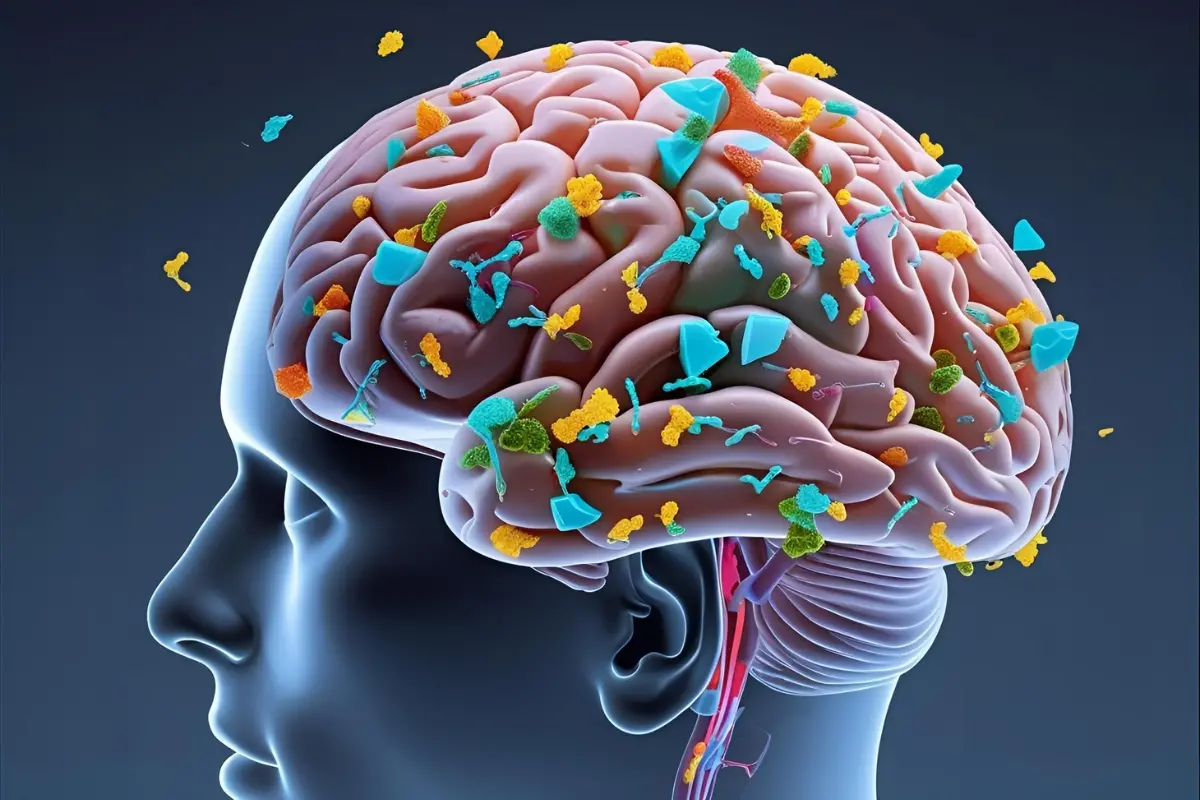
Tiny plastic particles, known as microplastics, have been found accumulating in human brains, though experts say there is currently insufficient evidence to confirm whether they pose a health risk.
These microscopic fragments — now detected in everything from mountain peaks to the depths of the oceans — have also been found in lungs, hearts, placentas, and even crossing into the brain via the blood-brain barrier.
This alarming discovery has added urgency to international efforts to negotiate the world’s first plastic pollution treaty, with new UN talks set to begin in Geneva next week.
The most prominent study on this topic, published in Nature Medicine in February, examined brain tissue from 52 deceased individuals in New Mexico, USA. It found increasing amounts of microplastics over time. Lead researcher Matthew Campen described the accumulation as equivalent to a plastic spoon in the brain — or roughly 10 grams, likened to a crayon in mass.
Despite widespread media attention, other scientists have urged caution. Toxicologist Theodore Henry of Heriot-Watt University noted the findings remain speculative and need independent verification. Chemistry professor Oliver Jones of RMIT University echoed this, saying the global presence of microplastics in the brain remains unconfirmed and the health impacts are still unknown.
Some errors in image duplication were flagged in the study but were not believed to undermine its core conclusions. Meanwhile, a 2023 study published in the New England Journal of Medicine suggested microplastic buildup in blood vessels may be linked to heart attacks, strokes, and premature death — but the research remains observational.
Animal studies, including one from Science Advances, have shown microplastics entering mice brains and causing blockages, but scientists stress that findings from mice cannot be directly applied to humans.
The World Health Organization in 2022 concluded there is still not enough evidence to determine the health risks of microplastics. However, the Barcelona Institute for Global Health argued that policy actions should proceed under the precautionary principle, even before full scientific certainty is reached.
Plastic production has doubled since 2000 and is projected to triple by 2060, further intensifying calls for urgent global regulation.