Is menopause putting you at risk for breast cancer? Here’s what you need to know
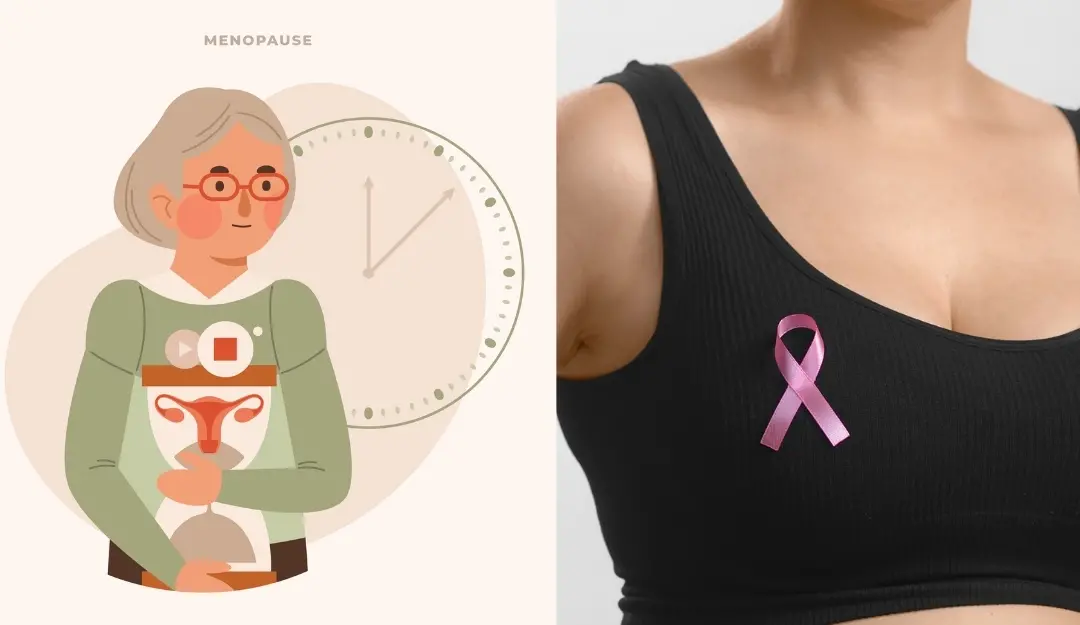
After menopause, many women experience a shift in their health, including an increased risk of breast cancer. This is due to hormonal changes that affect breast tissue, but with regular screenings, a healthy lifestyle, and awareness of potential risk factors, you can significantly reduce your chances. Understanding how menopause influences breast cancer risk is crucial for making informed decisions about your health.
Can Menopause Lead to Cancer?
Menopause doesn’t directly cause cancer, but the hormonal changes associated with aging can increase the risk of developing breast cancer. Lower oestrogen levels after menopause affect breast tissue and can influence cancer growth. Regular screenings and maintaining a healthy lifestyle are essential for early detection and prevention.
How Common Is Breast Cancer After Menopause?
Breast cancer is more common after menopause, with risks increasing as women age. Regular screenings and being aware of any bodily changes can make a significant difference in early detection and successful treatment.
What Causes Breast Cancer After Menopause?
Several factors contribute to the increased risk of breast cancer, including hormone replacement therapy (HRT), aging, genetic mutations, lifestyle choices, body weight, and past cancer history.
Treatment Options for Breast Cancer After Menopause
Treatment options include surgery, hormone therapy, chemotherapy, radiation therapy, targeted therapies, and immunotherapy. Each treatment plan is tailored to the patient’s specific needs and may involve a combination of therapies.
Risks and Side Effects of Breast Cancer Treatments
Treatment side effects vary depending on the method used, but common issues include fatigue, nausea, hair loss, and skin irritation. It’s important to discuss these with your healthcare team to manage them effectively.
Preventive Strategies for Post-Menopausal Breast Cancer
Staying active, maintaining a healthy weight, limiting alcohol, eating a balanced diet, and regular check-ups are crucial for lowering the risk of breast cancer after menopause. Awareness of hormone replacement therapy risks and quitting smoking also play key roles in prevention.
Breast cancer after menopause is a concern, but with proper knowledge, preventive measures, and early detection, women can take proactive steps toward maintaining their health. Consult with healthcare professionals for personalised advice and care.