‘Last Mile Care’: New initiative aims to support children with complex airway disorders beyond hospital walls
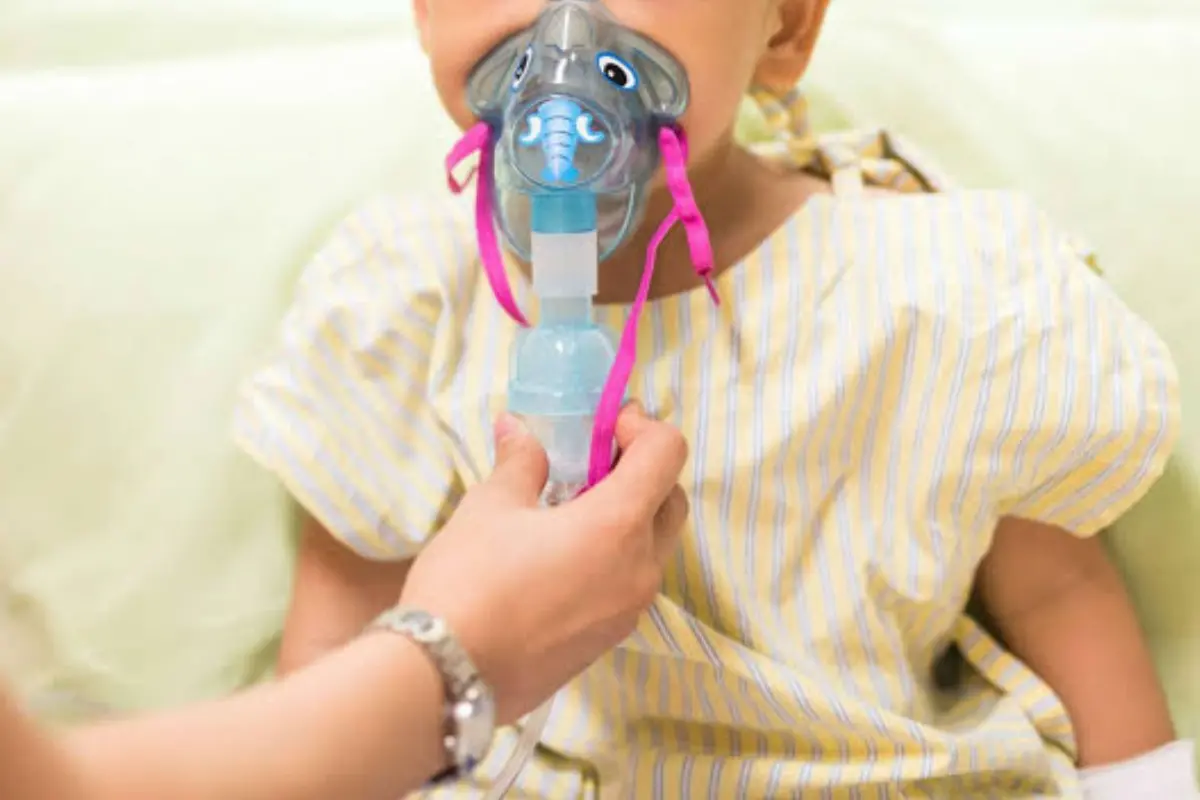
For parents of children with complex breathing and swallowing conditions, a hospital discharge does not necessarily mean the end of medical challenges. Managing tracheostomy tubes, preventing airway obstruction and responding to sudden breathing emergencies can become part of everyday life. For families who travel long distances to access specialised treatment, continuing care after returning home can be particularly challenging.
A baby girl from Kerala experienced this difficult journey after battling a liver disorder and serious airway complications. Following multiple medical interventions, she was referred to Bengaluru for specialised treatment. Doctors performed minimally invasive procedures, including balloon dilatations and steroid injections, to gradually restore her narrowed airway.
Her tracheostomy tube was removed in March 2024, and by November that year, her airway had fully healed. Her parents were finally able to hear their daughter's voice again after more than a year. Her recovery was reported by India Today in September 2025.
ALSO READ: When memory fades, speech therapy speaks: Role of speech-language pathologist in dementia care
Another case that highlights the complexity of paediatric airway treatment is that of 13-year-old Hetal from Pune. Her dupatta became caught in the rear wheel of a two-wheeler, causing severe injuries to her windpipe and voice box. She underwent a complex reconstructive procedure called laryngotracheoplasty and eventually regained her ability to speak and breathe independently. Her story was reported by The Times of India on November 15, 2026.
These cases highlight the importance of specialised treatment for children with airway and swallowing disorders. They also bring attention to a lesser-discussed aspect of recovery: the support families need once they leave the hospital.
Addressing this gap, ‘Last Mile Care’, a new initiative launched on Children's Day, November 14, aims to extend medical guidance and emergency support to children with complex airway and swallowing conditions beyond hospital premises.
What is ‘Last Mile Care’?
The initiative focuses on helping parents and caregivers manage their children's medical needs at home, particularly when ongoing airway support is required. Families will receive practical guidance on handling essential medical equipment, tracheostomy and tube care, and responding to emergencies such as choking episodes and airway obstruction.
The support framework includes a dedicated emergency helpline, video consultations, access to ambulances equipped with essential intensive care equipment and trained personnel, and self-care videos accessible through QR codes. These videos will guide parents on tube management and preventing airway obstruction.
For families living away from Bengaluru, the need for continued medical guidance can be especially important. Children who undergo complex procedures may require regular monitoring, while their parents must learn to recognise warning signs and respond appropriately to complications.
The initiative seeks to make this transition from hospital-based treatment to home-based care more manageable by giving caregivers access to practical information and medical assistance.
A specialised centre for complex childhood conditions
The Children's Airway and Swallowing Centre (CASC), located at Manipal Hospital, Old Airport Road, Bengaluru, is described by the hospital as the only centre of its kind in India and Southeast Asia. Established 26 years ago, it provides specialised treatment for newborns and children with complex breathing and swallowing disorders.
ALSO READ: What is the manosphere? Why researchers want it treated as a public health issue
The centre offers medical management, therapy and complex staged reconstructive surgeries. According to the hospital, more than 3,000 children from India and neighbouring countries have benefited from treatment, including pro bono and highly subsidised care.
Children with airway conditions may require coordinated treatment involving ENT specialists, paediatric surgeons, pulmonologists, anaesthesiologists, intensive care teams and therapists. Depending on the condition, treatment can involve airway reconstruction, endoscopic procedures, respiratory support and swallowing therapy.
The centre has also treated children from Kerala, with families travelling to Bengaluru to access specialised medical care.
Why support after discharge matters
Parents caring for children with tracheostomy tubes or other airway support equipment have to manage several responsibilities every day. They need to understand how to maintain the equipment, identify signs of obstruction and respond quickly if the child experiences breathing difficulties.
Dr E.V. Raman, Lead Consultant at the Children's Airway and Swallowing Centre and Consultant ENT, said parents and caregivers play a crucial role in the everyday management of children with airway conditions.
"Parents and caregivers play a critical role in the day-to-day care of children with airway conditions. Equipping them with the right training and familiarising them with medical equipment can help them manage routine care more confidently and respond appropriately during emergencies," he said.
Dr H. Sudarshan Ballal, Chairman of Manipal Health Enterprises Ltd., said healthcare must extend beyond hospital premises, particularly for children who need continuous medical attention. He added that providing families with the necessary knowledge, resources and emergency assistance could address an important gap in the continuum of care.
Chief guest Shukla Bose of Parikrama Foundation also highlighted the challenges parents face while caring for children with complex medical needs after discharge. She said initiatives such as ‘Last Mile Care’ could help families feel better prepared and supported.
For families travelling from Kerala and other parts of the country, specialised treatment is often only the beginning of a longer recovery journey. With ‘Last Mile Care’, the focus is on ensuring that parents are better equipped to continue that care at home, with access to guidance and assistance when they need it.