Japanese Encephalitis in Kozhikode: Vaccination drive on for children aged 1 to 15
Kozhikode: In view of the rising cases of Japanese Encephalitis in Kozhikode, the Health Department has launched a one-time vaccination campaign to protect children aged between one and 15 years against the disease. Though cases of Japanese Encephalitis among children have been reported sporadically over the years, there has been a noticeable rise in cases over the past three years. Between 2023 and 2025, seven cases of Japanese Encephalitis were reported in Kozhikode district, including three deaths.
In this context, District Reproductive and Child Health (RCH) Officer Dr Navya J Thaikattil explains the disease and the preventive vaccination drive.
What is Japanese Encephalitis?
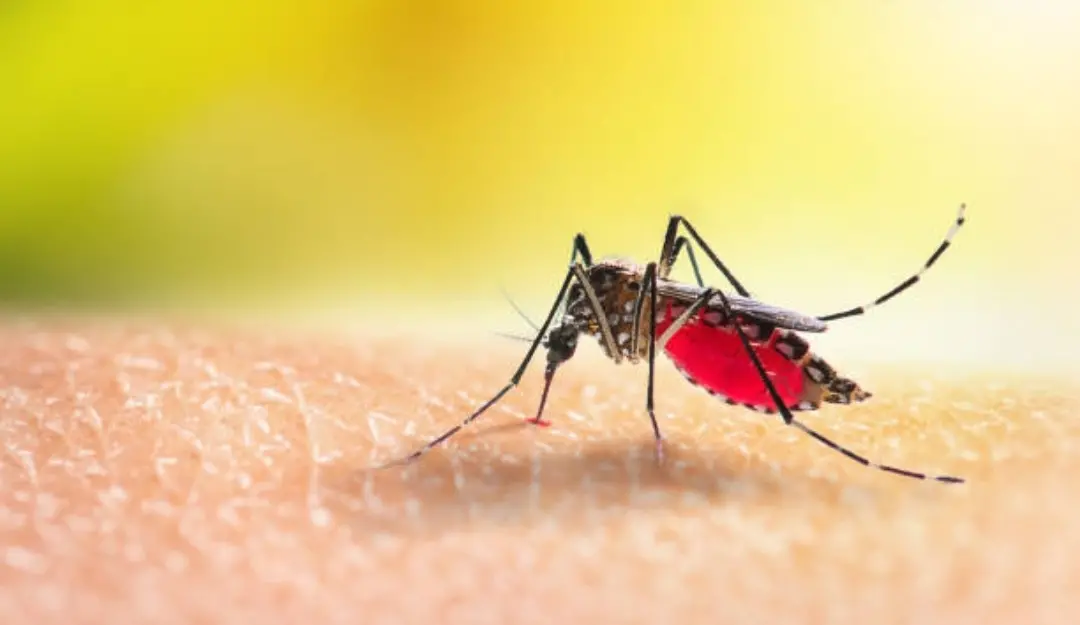
Japanese Encephalitis is a viral infection that affects the brain. The disease is transmitted through Culex mosquitoes, which breed in contaminated water. The virus spreads to humans through mosquitoes that feed on pigs and certain species of migratory birds. It does not spread from person to person. Symptoms typically appear within four to 14 days after infection.
What are the symptoms?
Symptoms include high fever, severe headache, vomiting, behavioural changes, seizures, paralysis of limbs and loss of consciousness. As there is no specific cure, early detection and prompt medical care are crucial.
Is there an effective treatment?
There is currently no specific medicine for Japanese Encephalitis. The disease has a mortality rate of around 30 per cent, while another 30 per cent of patients may suffer long-term neurological complications. For every reported case, there could be between 250 and 1,000 asymptomatic infections nearby. Children below the age of 15 are the most severely affected.
What preventive measures are available?
Vaccination is the most effective preventive measure. Mosquito control measures are also essential.
When was the first case reported in the district?
The first case was reported in 2011, followed by one case in 2014 and four cases in 2018. While cases were reported occasionally earlier, the increase in cases over the past three years prompted the decision to introduce vaccination.
Is this the first vaccination drive in the district?
Yes. Previously, vaccination was provided only to children in districts such as Thiruvananthapuram and Alappuzha, where cases had been reported. The campaign has now been extended to Kozhikode and Malappuram, which has reported even more cases. The vaccination drive, which began on January 15, is expected to continue for about 20 days. Vaccines are being administered through health centres, schools and anganwadis, with health workers reaching out directly to children.
Is this vaccine part of the routine immunisation schedule for infants?
No, it was not included earlier. Going forward, the vaccine will be incorporated into the routine immunisation schedule for infants.
Are there any side effects?
This is a very safe vaccine that has been in use for many years. A small percentage of children may experience mild fever or headache, while some may develop redness at the injection site. No serious side effects have been reported. Across 368 districts in India, millions of doses have already been administered over the years.