Craving chips or chocolate? Here’s a guilt-free guide to smarter snacking
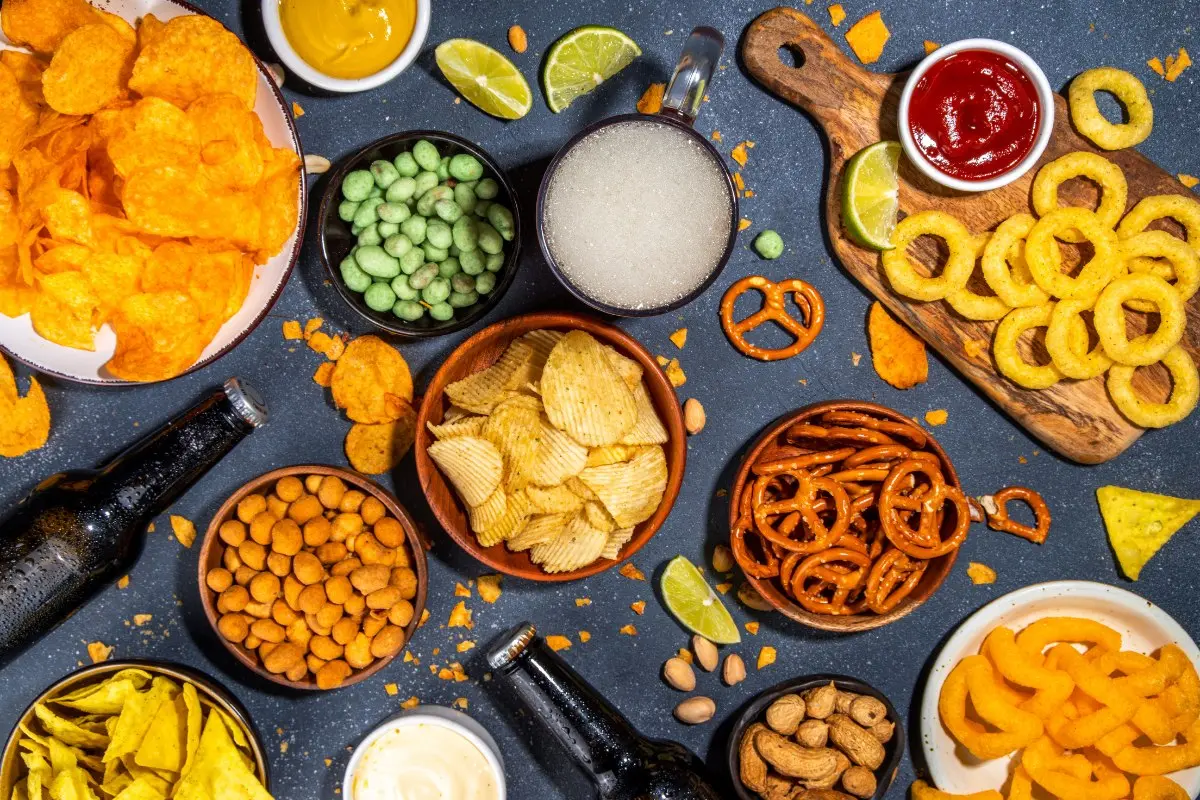
For many of us, giving up on occasional treats feels like a harsh task, especially when comfort food is part of winding down. But what if you could enjoy your favourite snacks from crisps and chocolate and wine, without sabotaging your health goals? Here's how.
Crisps: keep it classic and simple
According to nutritionists, when a crisp craving hits, it’s best to go back to basics. Nutritionists recommend choosing plain crisps with the shortest ingredient list; think just potatoes, a good oil like extra-virgin olive oil, and a pinch of sea salt.
While flavoured, lentil, or chickpea crisps may sound healthier, they often contain more additives, flavour enhancers, and emulsifiers than traditional varieties.
Always read the back of the packet to ensure your snack doesn’t contain unnecessary extras. Lightly salted is the way to go.
Sweets: Choose better, eat less
Most gummy and chewy sweets are ultra-processed and packed with glucose syrups, artificial colours, and gelatine. The better option? Sweets without palm oil, which is high in saturated fat.
Eating sweets in small amounts and maintaining good dental hygiene can go a long way in limiting the damage.
Chocolate: The darker the better
If you love chocolate, dark is your best friend. Choose bars with 75 percent cocoa or more, they have less sugar and come with added benefits like antioxidants and polyphenols, which support gut and heart health.
As per health experts, for a more wholesome bite, opt for bars that include whole nuts like almonds or hazelnuts. Always scan the label for real cocoa butter and steer clear of ones with cheap vegetable fats, emulsifiers, or artificial additives.
Fizzy drinks? Consider Kombucha instead
Conventional fizzy drinks are usually high in sugar or filled with artificial sweeteners, both of which can upset your gut health. A better alternative is kombucha, a probiotic soft drink brewed with live cultures and typically containing no added sugars. Look out for raw, unfiltered versions made in small batches, they’re often the most beneficial.
Beer: Go for low-alcohol options
Beer gets its high calorie count mostly from alcohol. Choosing light or low-alcohol beers (around 3 percent ABV or lower) can help cut back on those extra calories.
Always check the ABV before purchasing, especially if you're looking to enjoy responsibly.
Why white wine and organic may be gentler
For wine lovers, white wine may be the gentler option, with fewer compounds linked to hangovers than reds. Organic and biodynamic wines are also worth considering as they usually contain fewer additives and lower sulphite levels.
Wines from cooler climates tend to have lower alcohol content, and dry varieties mean less sugar overall. That said, moderation is key.
If fizz is your preference, dry styles are the smarter choice. Look for sparkling wines labelled "Brut Nature" or "Extra Brut" as these have the least residual sugar and may leave you feeling better the next day.
Breakfast cereal: fibre is the secret
Not all cereals are created equal. Quick-cook and flavoured options often spike blood sugar levels. Even some granolas that appear healthy can be loaded with added sugar, emulsifiers, and refined grains. Your best bet? As per health experts, whole ingredients and low sugar content, under 5g per 100g is ideal.
Takeaway? Choose grilled, veggie and fresh
Takeaway doesn’t have to be unhealthy. Avoid deep-fried options cooked in reused saturated fats. Instead, go for Indian or Thai vegetable-based curries with chickpeas, paneer or spinach.
Cook rice at home when possible. according to nutritionists, reheated rice contains resistant starch, which is better for blood sugar and gut health. Turkish-style wraps with grilled chicken, hummus, wholemeal bread, and salads also make for a more balanced option.
When picking up a ready-made sandwich, whole grain or seeded bread is your best ally as it keeps you fuller for longer. Choose lean proteins like chicken, egg, tuna, falafel or hummus, and make sure there’s a good helping of salad or crunchy vegetables.
Skip the creamy sauces and cheese-heavy fillings. To make a gut-friendly choice according to experts, aim for around 3g of fibre per 100g by checking the label.
Being mindful, reading labels and choosing smarter ingredients can go a long way because staying healthy doesn’t mean giving up everything you love.