Feeling too tired to get out of bed? It could be Clinomania
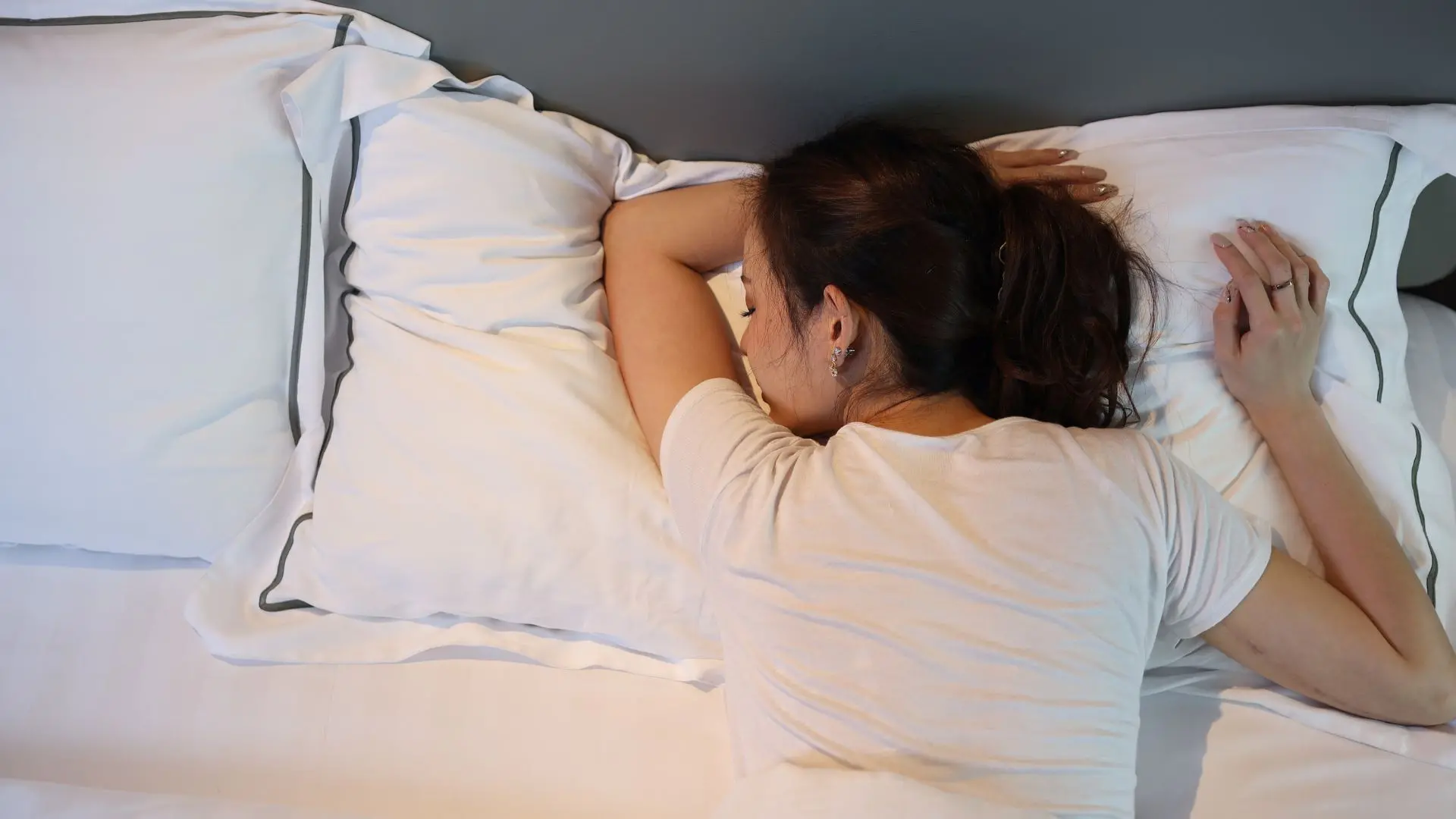
While everyone enjoys a cozy morning in bed now and then, a persistent desire to stay in bed, avoid responsibilities, and withdraw from social connections could indicate a condition called clinomania. This phenomenon goes beyond a simple desire to rest, affecting daily routines and overall quality of life.
Clinomania symptoms
- Avoiding responsibilities and daily tasks to stay in bed.
- Experiencing internal conflict, feeling guilty or anxious about their inactivity.
- Waking up feeling discomfort, fatigue, or laziness.
- Losing interest in hobbies, work, and social interactions, often preferring solitude.
- Isolating from friends and family, which can lead to loneliness and a deeper withdrawal.
Potential causes of Clinomania
- Mental Health Conditions: Depression, anxiety, or other mental health disorders can drive individuals toward prolonged bed rest.
- Chronic Health Issues: Conditions like chronic fatigue syndrome can lead to extreme exhaustion, pushing individuals to seek comfort in bed.
- Lifestyle Choices: Minimal social interaction or physical activity can create a strong association between bed and comfort.
- Stress and Life Challenges: Major life stressors, such as job loss or relationship struggles, may also trigger clinomania.
Tips for Managing Clinomania
- Identify Health Issues: Seek medical evaluation to address any underlying health problems.
- Establish a Routine: A consistent daily routine—including making the bed, taking a morning shower, and planning out the day—can promote productivity.
- Nurture Social Connections: Maintaining relationships with friends and family helps prevent isolation.
- Seek Professional Help: If these steps don’t improve your symptoms, consider consulting a psychologist for further support.
While clinomania may seem like harmless laziness, its impact on mental and physical health makes it essential to recognise and address.