Why Gen Z is embracing ‘grandma hobbies’ to escape doomscrolling
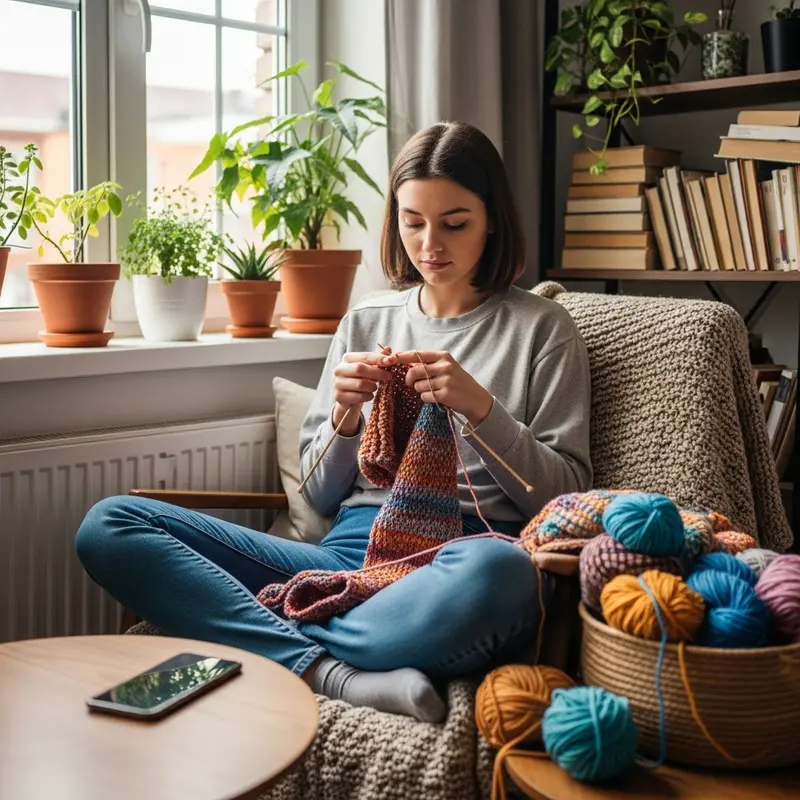
Picture this: it’s late evening after a long day. Instead of scrolling endlessly through social media feeds, a 24-year-old sits on the couch with a cup of tea, quietly stitching colourful patterns onto a piece of fabric.
A few years ago, that might have seemed unusual for someone in their twenties. But in 2026, this scene is becoming increasingly common.
Across the world, many Gen Z adults are rediscovering slower, hands-on hobbies — activities that previous generations might jokingly call “grandma hobbies.” From knitting and gardening to pottery, origami and even blacksmithing, these analog pursuits are gaining fresh popularity among young people looking for a break from their hyper-digital lives.
From endless scrolling to mindful crafting
Emma MacTaggart remembers how easily her free time used to disappear into her phone.
Working long hours in investment banking, she would finally log off for the day — only to fall into hours of scrolling through social media.
Looking for a healthier routine, she and her roommates decided to try something different: needlepoint, a craft she had briefly learned as a child.
What started as a casual experiment quickly became a favourite ritual.
“It was a really therapeutic way to distract yourself from work or stress,” she said. “But also just to do something with your hands instead of doomscrolling.”
MacTaggart eventually turned her hobby into a business, launching a needlepoint brand that now sells canvases, accessories and designs online.
The rise of “grandma hobbies”
The term “grandma hobbies” has gained traction online to describe traditional crafts and offline activities associated with older generations.
These include:
- Knitting and crochet
- Needlepoint and embroidery
- Gardening
- Pottery and ceramics
- Origami and paper crafts
- Mahjong and board games
- Birdwatching
While many of these hobbies experienced a brief revival during the pandemic, their popularity has continued to grow well beyond that period.
What began as a way to pass time has gradually evolved into a lifestyle shift toward slower, more intentional activities.
Why these hobbies feel so good
Psychologists say these hobbies offer something many young people are missing: focused attention and a sense of completion.
Jaime Kurtz, a psychology professor at James Madison University who studies happiness and wellbeing, says hobbies help reduce stress because they require concentration and creativity.
“Hobbies are really important,” she explained. “A lot of us have lost them or think we’re too busy for them. But even carving out small pockets of time for these activities can be a really wise use of time.”
Unlike social media, which delivers constant stimulation and distraction, craft-based hobbies create a calmer rhythm.
You follow steps. You focus. You create something tangible.
And when you finish — whether it’s a scarf, a ceramic bowl or a handwritten letter — you experience a simple but powerful feeling of accomplishment.
The surprising role of social media
Ironically, social media itself has helped spread the trend.
Many young hobbyists share their projects online, building communities around crafts that might otherwise seem niche.
For example, blacksmith Anna Weare — known online as AnvilAnna — posts videos of forging tools and equipment. Her centuries-old craft has attracted thousands of viewers who are fascinated by the process.
Some followers even go on to try the craft themselves.
“People are realising that things made in factories wear out quickly,” she said. “There’s something special about making something that lasts.”
Hobbies that build community
For many participants, these activities are not just about relaxation — they are also about connection.
Poet and content creator Kristie Landing built a global community around slow, tactile crafts such as letter writing, wax sealing and origami.
Her followers regularly exchange letters, ask about materials and share their own creations.
Landing even launched a pen-pal matching service after many viewers said they wanted someone to write to.
“I’m trying to create slower moments on platforms that are built for fast scrolling,” she said. “These moments kind of stop you in the scroll.”
A slower way to spend time
At its heart, the “grandma hobbies” trend is less about nostalgia and more about balance.
Gen Z isn’t rejecting technology entirely. Many hobbyists still use apps, online communities and social media to learn skills or share their work.
But they are also carving out space for activities that move at a different pace.
In a world designed to keep people constantly online, spending an entire evening knitting, gardening or writing letters can feel almost radical.
And for many young people, that slower rhythm is exactly what they were looking for all along.