Kala Jamun vs Gulab Jamun: What sets this darker, richer dessert apart
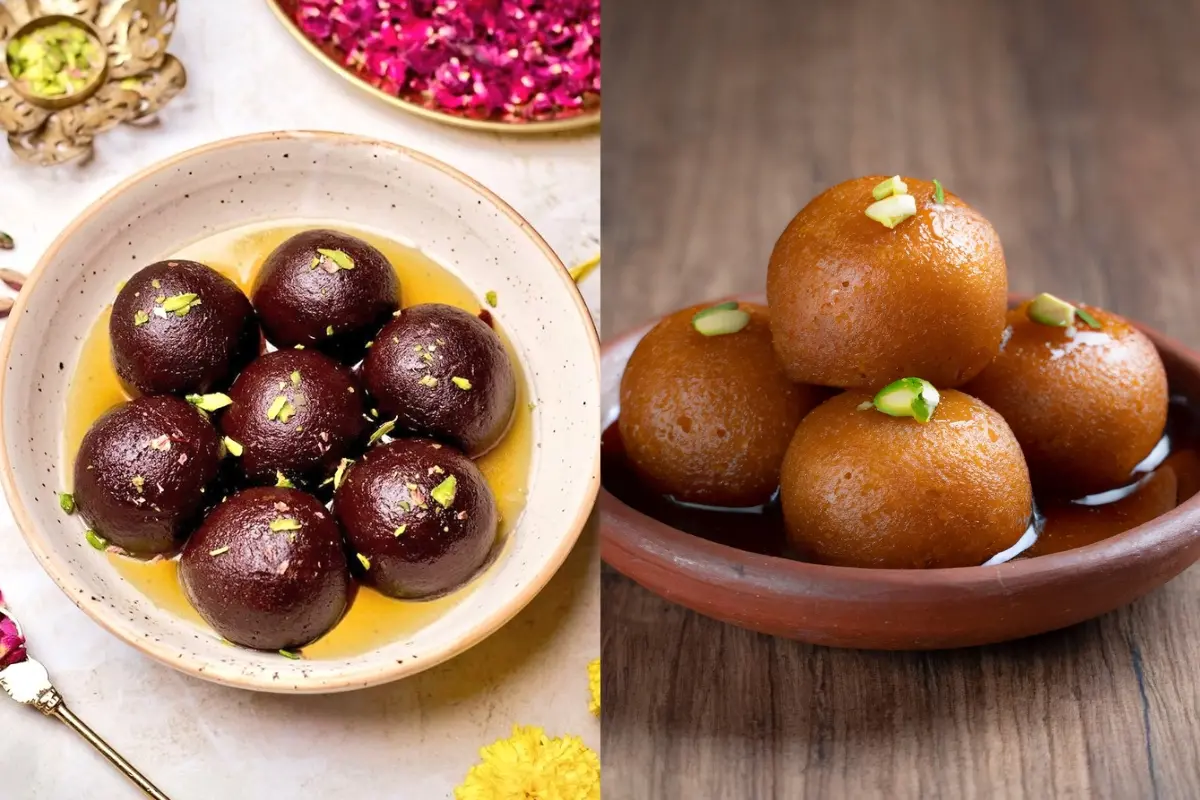
In the diverse world of Indian sweets, Gulab Jamun enjoys unmatched popularity. But tucked alongside it on festive platters is a darker, often overlooked cousin: Kala Jamun. Though they share many ingredients, Kala Jamun has a character and taste all its own—bold, caramelised, and surprisingly nuanced.
Origins and cultural relevance
Kala Jamun, like Gulab Jamun, is rooted in the Mughal culinary tradition that emphasised rich milk-based desserts. While Gulab Jamun became the more mainstream favourite across India, Kala Jamun found a loyal following in northern and central India, particularly in Uttar Pradesh, Madhya Pradesh, and parts of Rajasthan. It’s especially popular during Diwali, weddings, and religious feasts, often served as the "special item" in dessert counters.
Ingredients: Similar yet different
At first glance, the ingredients of Kala Jamun may seem identical to those of Gulab Jamun:
- Khoya (mawa) – the core ingredient, made by slow-reducing milk
Maida (refined flour) – acts as a binding agent
Baking soda – for leavening
Ghee or oil – for deep frying
Sugar syrup – flavoured with cardamom, rose water, or saffron
But the difference lies in the proportions and additions. Kala Jamun dough is often made stiffer, and many versions include a stuffing of dry fruits, desiccated coconut, or paneer. The sugar syrup, too, is often slightly tangier or richer, sometimes with hints of lemon, kewra, or saffron to balance the deep-fried caramelised shell.
The cooking technique: The ‘kala’ factor
The word ‘Kala’ literally means black in Hindi, which refers to the dessert’s distinctive dark brown to almost black colour. This comes from slow-frying the dough balls at a lower temperature for a longer time, allowing the milk solids to caramelise without burning.
In contrast, Gulab Jamun is fried just until golden brown and then soaked in sugar syrup, making it soft and spongy. Kala Jamun, however, develops a slightly chewy and firm crust with a deep, roasted flavour that balances beautifully with the syrup it is soaked in.
Taste profile and texture
Gulab Jamun: Soft, melt-in-mouth, floral and sugary, with syrup penetrating fully.
Kala Jamun: Slightly chewy outside, tender inside, with complex roasted notes and a syrup coating rather than full absorption.
The crust of Kala Jamun holds its structure better, making it ideal for stuffing with almonds, pistachios, or even cardamom-flavoured coconut filling.
Why it’s worth trying
Kala Jamun may not be the sweet you grew up with, but it’s the one that surprises you when you try it. It appeals to those who love desserts with depth, a hint of bitterness, and textural contrast. Its rich flavour also means you’re less likely to overindulge, as just one piece feels satisfying.
It’s a sweet made for people who enjoy caramelisation, contrast, and complexity—traits that elevate it from being just a festival dessert to a gourmet experience.
Kala Jamun deserves more recognition, not as Gulab Jamun's sibling, but as a standalone classic. Its slow-cooked richness and dramatic look make it a perfect festive indulgence and a talking point at dinner parties.
So the next time you’re offered a plate of Indian sweets, look beyond the golden Gulab Jamun—and reach for the dark delight that is Kala Jamun.