Kanthari chilli: Small in size, big in benefits: Here’s why you should eat it
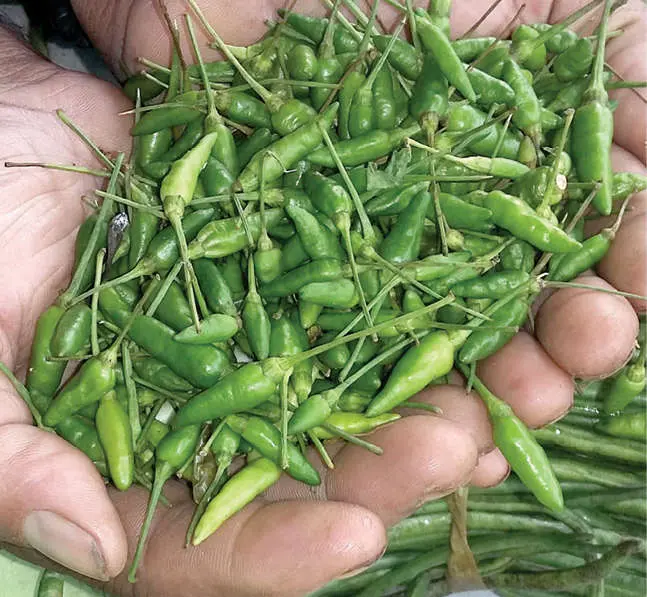
Don’t be misled by its small size — the Kanthari chilli, also known as Bird's Eye Chilli, packs a powerful punch when it comes to health benefits. Though often linked with traditional and local flavours, its origins trace back to the Americas.
Once a staple in backyard gardens, nearly every household grew a Kanthari plant. It thrived with minimal care, produced generously, and sometimes even fetched surprising prices in the market. But beyond its intense heat, this tiny chilli is a true wellness powerhouse.
Health benefits of Kanthari chilli
- The presence of capsaicin, Kanthari helps ease pain and reduce inflammation.
- Adding it to meals can improve digestion and reduce bloating or gas-related discomfort.
- It fights cell damage and helps combat oxidative stress.
- Regular use may help manage good cholesterol levels.
- Packed with vitamin C, it strengthens the immune system, promotes iron absorption, and enhances collagen production.
- With the presence of beta-carotene and carotenoids, it promotes healthy eyesight and has antibacterial properties that benefit the skin.
- Including it in your diet may help those dealing with high blood pressure.
- It may support haemoglobin production and healthy blood circulation, potentially reducing the risk of clots and strokes.
Spicy Kanthari pickle
Ingredients:
- 200g Kanthari chili
- Tamarind (size of an amla/gooseberry)
- 50 ml coconut oil
- ½ tbsp mustard seeds
- 1 tbsp urad dal
- 1 tbsp asafoetida powder (Kaayam powder)
- ¼ tsp turmeric powder
- Salt and curry leaves – to taste
Preparation:
Crush the chillies along with tamarind and salt. Heat oil in a pan, and add mustard seeds, urad dal, and curry leaves. Add the crushed chilli mix. Mix asafoetida and turmeric powders, add the salt as needed, and cook well. Store in an airtight container. This spicy pickle pairs perfectly with rice or traditional dishes like boiled tapioca.
Tips for use
While Kanthari can be eaten raw, it’s better when combined with other foods. Blend it with coconut oil, curd, or yoghurt to mellow its heat. Use it as per your spice tolerance.
Recipe and tips by: Athira Mohan, Senior Dietitian, KIMS Health, Thiruvananthapuram