Basant Panchami 2026: Date, Saraswati Puja timing and rituals explained
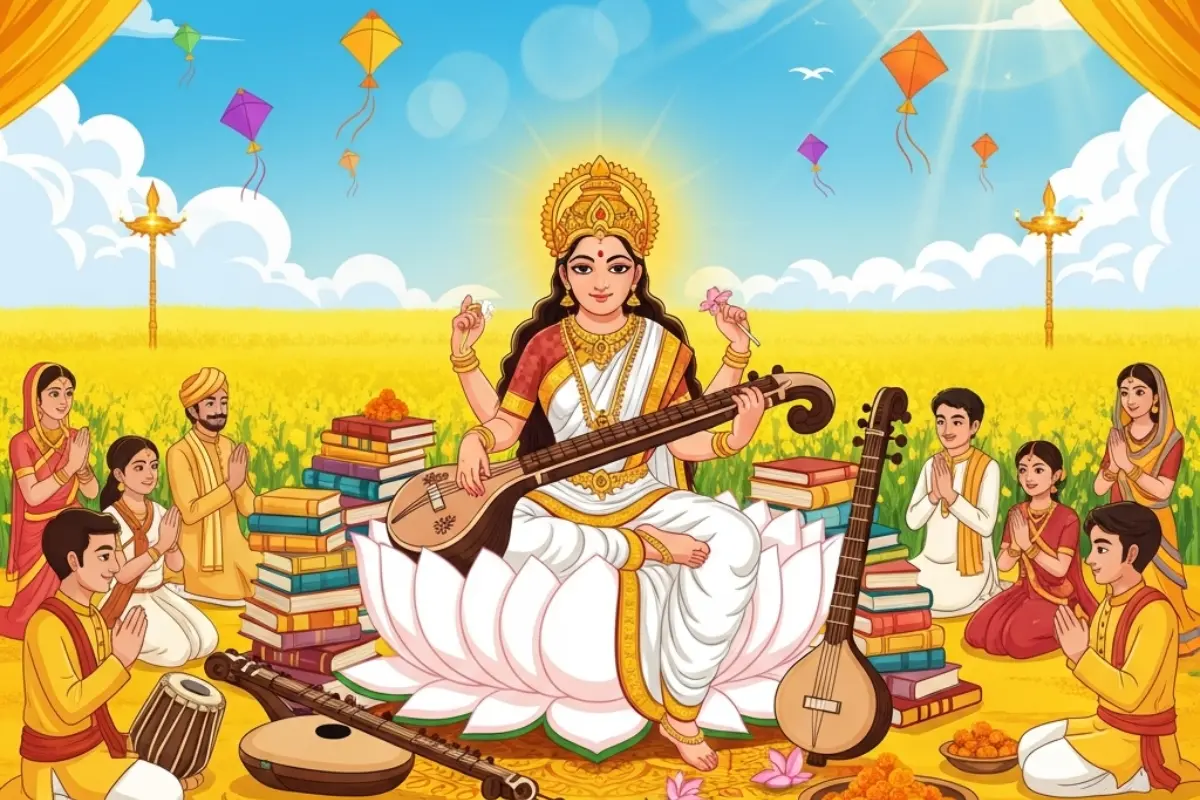
Basant Panchami, also called Vasant Panchami or Saraswati Puja, marks the arrival of spring and honours Goddess Saraswati, the deity of knowledge, music and learning.
Basant Panchami 2026 date and puja muhurat
In 2026, Basant Panchami falls on Friday, January 23. The Panchami Tithi begins at 02:28 am on January 23 and ends at 01:46 am on January 24. According to traditional calendars, the most auspicious time for Saraswati Puja is during the morning and early afternoon hours, from 07:13 am to 12:33 pm, with Madhyahna at 12:33 pm.
Why Saraswati Puja is significant
Goddess Saraswati symbolises wisdom, speech, learning, art and music. Basant Panchami is considered an ideal day for students, teachers, artists and scholars to seek her blessings. The festival also signals the transition from winter to spring, a season associated with renewal, growth and positivity. The day is regarded as an Abujha Muhurat, meaning new beginnings such as education, marriage or business ventures can be started without consulting specific astrological timings.
Also read: How to book Vande Bharat Sleeper Express tickets: Step-by-step guide
Rituals and traditions associated with the festival
Yellow is the dominant colour of Basant Panchami, reflecting blooming mustard fields and the vibrancy of spring. Devotees often wear yellow or white clothes and prepare yellow-coloured foods. Students place books, pens, laptops or musical instruments near the idol or image of Goddess Saraswati for blessings. Many families perform Vidyarambham or Akshar Abhyasam, where young children are introduced to their first letters or lessons on this day. Prayers commonly include the Saraswati Vandana, especially the ‘Ya Kundendu’ stotra.
How Basant Panchami is celebrated across India
Celebrations vary by region. In parts of North India, especially Punjab and Haryana, kite flying is a popular tradition. In West Bengal, Bihar and Odisha, Saraswati Puja is marked by elaborate pandals, community worship and cultural programmes, particularly among students. In southern states, Basant Panchami is observed as Sri Panchami, with special temple prayers, even though Saraswati worship is more prominently associated with Navratri later in the year.
Beyond religious observance, Basant Panchami has evolved into a lifestyle and cultural festival that highlights the value of education, creativity and personal growth. For many families, it is a reminder to pause, reflect and recommit to learning and self-improvement as the new season begins.
(Disclaimer: This article is intended for general information and lifestyle awareness. Festival dates, timings and rituals may vary slightly based on regional calendars and local traditions. Readers are advised to follow customs as per their family or regional practices.)