Young India must now build the future it demands
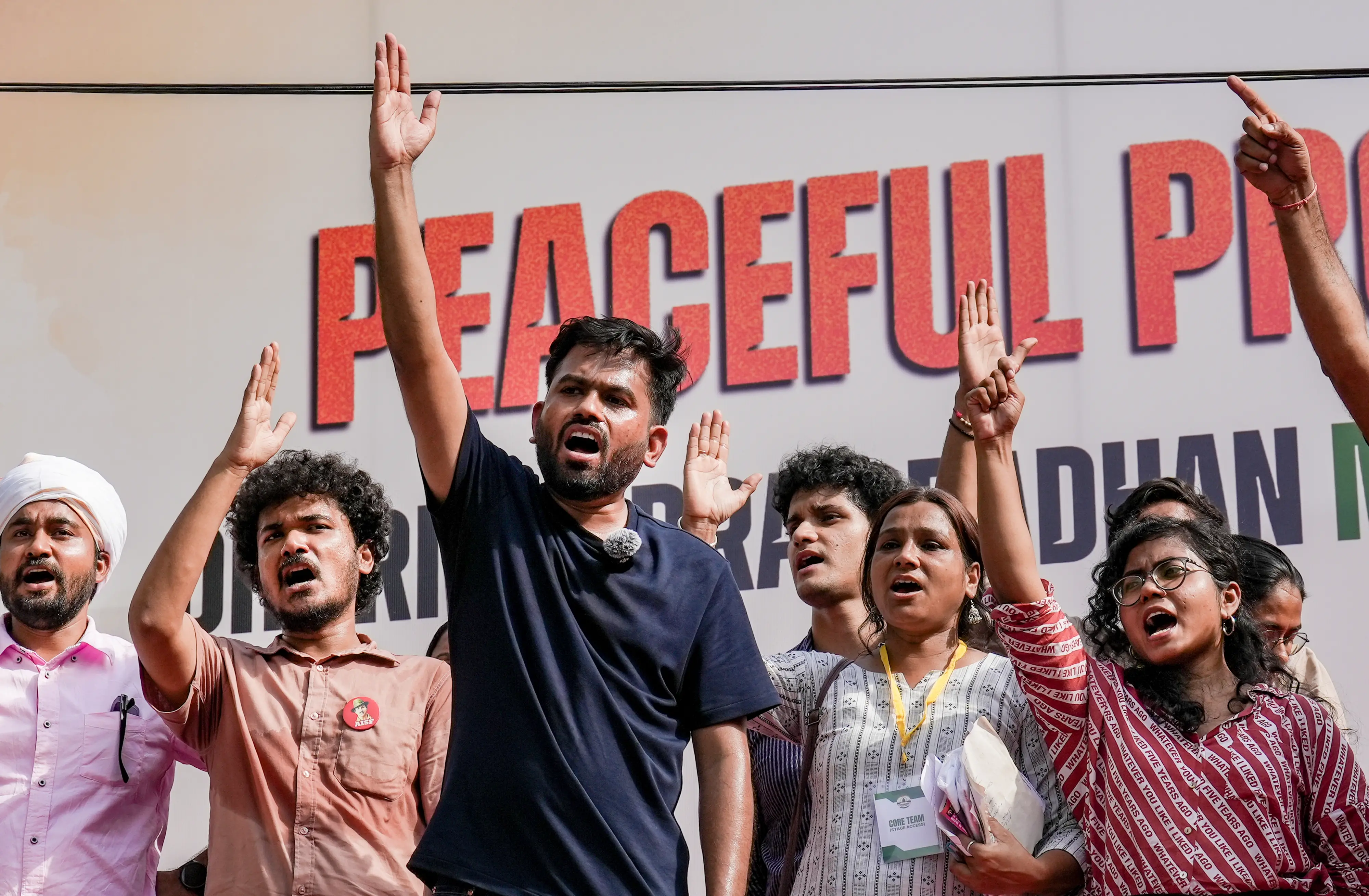
India's young people have already proven just how much energy and conviction they bring to the table. You see it everywhere -- from lively debates in university halls to protests in the streets. When they band together, things move. They sway the conversation, challenge those in power, and demand real answers. Clearly, they don't just watch history happen. They are right in the thick of shaping it. But if India’s youth want to make their impact truly last, it’s time to shift gears: It's not only about speaking up against what's wrong -- it's about rolling up their sleeves and helping build what comes next.
Also Read: Who really won the exam protest?
Right now, India is at one of those rare, open-door moments. The economy is booming, technology is taking off, and, crucially, more than half the country is under 30. That’s a demographic advantage most other nations would love to have. But if this wave of youth just sits in the background, it stays just a number. It means nothing unless it is channelled into invention, productivity, and service -- into actually getting things done.
Certainly, the problems loom large—just look anywhere. But so do the opportunities for change. Every part of life in India is waiting for new ideas. Take engineering. It's not just about bridges or machines anymore. Now it faces questions like how to create clean energy, protect water, design homes people can afford, or future-proof cities against climate change.
Our growing cities need better transport, safer roads, parks everyone can use, and digital environments built for everyone, not just the wealthy. Young engineers know their subject. It just takes determination to turn those blueprints into reality.
Medicine is changing fast too. It's not just about treating patients anymore --doctors and scientists have to work together with technology. Young people in healthcare can lead the way with affordable new treatments, bringing care to rural areas, inventing smart medical devices, or turning artificial intelligence into something that actually helps the sick. Think of all the villages still waiting for specialists and proper clinics. The next big medical breakthrough might not come from some giant company but from a small university laboratory where young researchers refuse to give up.
Design? It touches everything now. It’s there in buses and metro maps, in how schools work, in every digital tool or app, and even in the look of your neighbourhood. Well-planned parks bring neighbours together. A government website that actually works means people get help when they need it. Smarter streets save lives and help businesses thrive. The world gets better when creative people take up the challenge of fixing what isn’t working.
And let’s not forget the storytellers -- artists, writers, filmmakers. They shape what we believe about ourselves. A strong nation isn’t just about GDP. It’s built on shared stories, culture, and being open to new ideas. The work these creators do can connect us to our roots and chart new paths for the future.
Also Read: This protest is only the entrance exam
Universities should be the engines behind all this. They can’t just tick boxes with grades and academic papers. They need to help solve real problems -- in farming, energy, transport, education, digital governance, social services, and more. Let students work with factories, city leaders, village councils -- anyone who’s trying to make a real difference in society. When research doesn’t just sit in journals but actually reaches a village, a city office, a hospital, or a farm, you know it matters. Every project or thesis should ask: Who is this going to help, and how?
India's public administration -- think the IAS and all branches of government -- needs motivated young people too. Running a country in 2026 takes technological skills, quick thinking, and genuine teamwork. If the best of the next generation enter public service, they won’t just be cogs in a machine ---they’ll make things work better for ordinary people, bringing clarity and speed to government and making sure services actually serve. It’s not just up to government, either. Bringing private business, universities, and communities to the table speeds up progress for everyone.
There’s no shortage of grand programmes -- Make in India, Skill India, Startup India, Digital India. But these slogans need young builders behind them. Manufacturing must focus on real-world quality, not just size. Training programmes have to keep up with the world’s pace. Starting a business isn’t just about becoming wealthy -- it should mean creating jobs for others and finding solutions to local problems.
Don’t forget the rural–urban divide, either. Cities can’t monopolise all the progress while villages lag far behind. Young planners, engineers, and entrepreneurs can provide villages with good roads, stronger digital connectivity, new ideas for farming, and thriving local businesses -- things that keep people from leaving home simply to survive.
Cities, on the other hand, desperately need careful planning. Gridlocked traffic, pollution, rubbish piling up, overcrowded housing -- it all adds up. Smart cities need walkable streets, good public transport, and spaces where people want to spend time. This calls for a whole team working together -- engineers, ecologists, economists, policy-makers, and more.
Also Read: Beyond the protest: The politics behind public anger
Economic growth still matters, but it has to translate into jobs and rising incomes. New business ideas, clever use of technology, support for small enterprises, and investment in people’s skills—these are how young Indians can help others find work, not just themselves.
Lifting people out of poverty goes further than handing out aid. It means connecting them to real opportunity through education, healthcare, and fair access to banking. Young economists and social scientists can examine policies that actually make things work where they’re needed most.
Certainly, India leads the world in technology talent, but technology should serve people, not just line the pockets of a few technology giants. The test isn’t how many apps we make, but whether new tools reach schools, clinics, villages, and government offices—places that need them most.
If you look at history, in any country, the biggest steps forward usually happen because young people drive them. But it takes more than just passion. It takes discipline, real skills, ethical leadership, and the courage to face all the messy, complicated realities out there. Change hardly ever happens overnight. It takes teams, patience, and time.
Nobody denies what the youth have done so far—protesting, organising, refusing to stay quiet. That spirit matters in a democracy, and always will. But now, India is calling for the same bold spirit inside laboratories, start-ups, farms, hospitals, classrooms, and civic projects. The new role models won’t just be remembered for what they protested. They’ll be known for what they built—the schools, jobs, innovations, and fairness they created.
It’s not about whether India's youth can move the nation. They already have. The question now is whether they’ll turn that spark into real, lasting progress. If they can bring together their idealism, expertise, determination, and sense of public service, they’ll create an India that isn’t just richer but is fairer, kinder, and ready for whatever comes next. It’s time to stop just demanding change -- and get on with actually building it.