World Social Media Day 2025: Celebrating India's digital voice
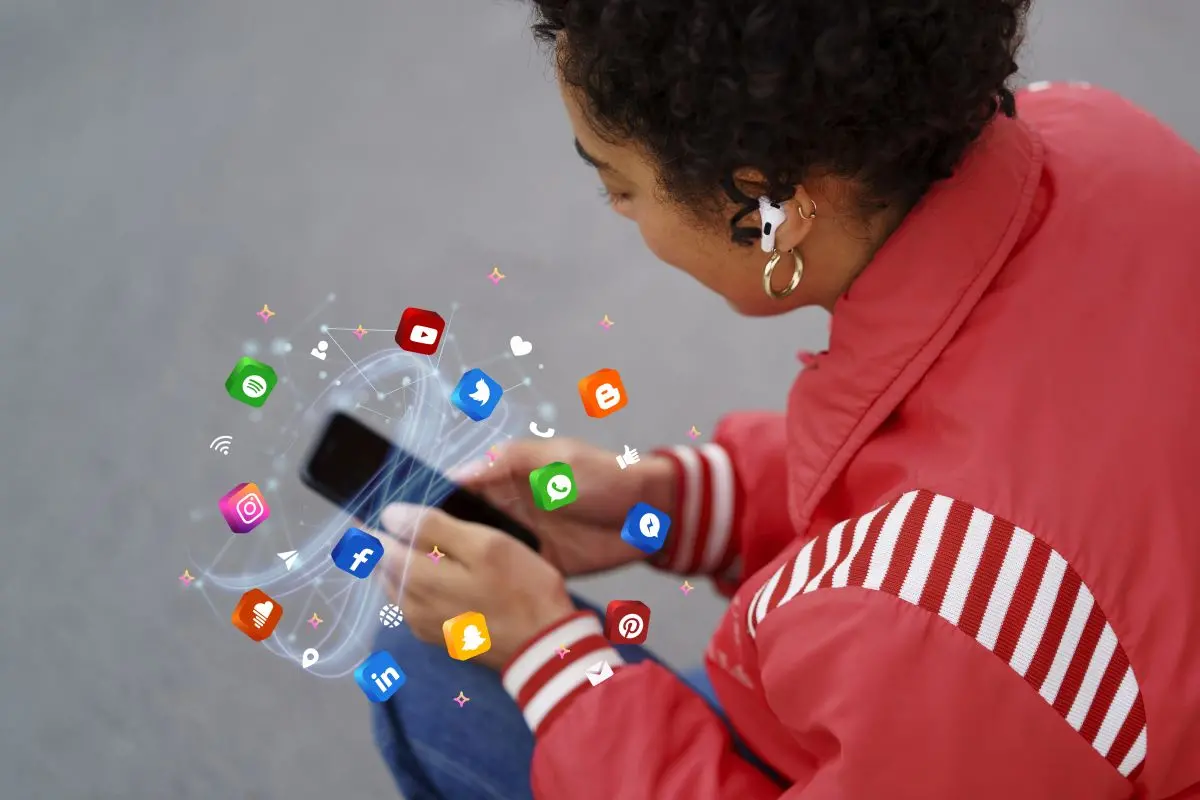
World Social Media Day, which is celebrated on June 30 of every year, is a day that commemorates the power and growth of social media worldwide. In India too, the day is of special importance because India is now one of the biggest and most energetic social media platforms globally.
With more than 600 million active users and growing, India is not only a user of international digital platforms but also an innovative force adding to how social media influences communication, culture, business, and public affairs.
India's start into the social media age was modest in the early 2000s with sites such as Orkut and Facebook. But it was the mobile phone revolution combined with the introduction of low-cost internet services, particularly following Reliance Jio's arrival in 2016, that reversed the trend.
Overnight, millions of Indians from urban and rural India found themselves flooded with access to services like WhatsApp, YouTube, Facebook, Instagram, X (ex-Twitter), and newer Indian-origin apps such as ShareChat, Moj, and Chingari.
This digital spread was not restricted to metros. Citizens of small towns and villages, using various regional languages, became producers and consumers of digital content. Farmers stream their farms, home cooks post cooking lessons, and artisans market their goods through short videos.
Social media in India now is a kaleidoscope of its linguistic and cultural diversity. Yet with growth comes complexity.
Social media in India is a double-edged sword. It has, on the one hand, empowered voices that had been silenced earlier. Marginalised groups, student activism, environmental activists, and common citizens have found platforms to share their narratives, pose questions, and mobilise support.
Campaigns such as #MeTooIndia, #JusticeForManisha, and the Farmers' Protest have shown the power of social media in spurring awareness and resistance at mass levels.
Conversely, the same platforms have also been misused for dissemination of disinformation, religious intolerance, and political propaganda. Misleading WhatsApp messages have caused mob attacks and panic. Politicians and parties have made massive investments in digital engagement, yet some use trolls and automation accounts to influence perceptions. Social media, in this scenario, turns out to be a war zone where facts get distorted and public perception manipulated.
Alongside its social impact, India's creator economy has prospered. From Instagram influencers and YouTube comedians to educational content creators and technology reviewers, a new generation of Indians are creating careers and enterprises on social media.
Creators such as Bhuvan Bam, Prajakta Koli, CarryMinati, and Ranveer Allahbadia are no longer online figures but mainstream celebrities. They shape brand advertising, fashion trends, political views, and even public health campaigns.
Regional content creators are also picking up massive steam. A homemaker in a small town in Kerala or a truck driver in Rajasthan can get a devoted base with real content. Social media has become not only a platform for voice but also a road to economic empowerment for many.
During this digital explosion, India also moved to control the digital landscape. The government's Information Technology (Intermediary Guidelines and Digital Media Ethics Code) Rules, 2021, aim to hold platforms accountable. They mandate social media intermediaries to have compliance officers, address grievances promptly, and identify the source of flagged content.
While use is meant to be controlled, concerns are raised that it may hinder free speech and user privacy. The balance between freedom and safety in the online world is still up for debate.
India's social media space is also seeing a drive for localisation and digital self-sufficiency. Domestic apps such as Koo, Public, and Lokal have emerged with a vision to cater to the non-English speaking majority and offer substitutes for international tech giants. Even if these platforms have not yet reached the scale of Facebook or Instagram, they reflect India's ambition to create its own digital future.
World Social Media Day in India is more than about technology or trends. It is about the ways in which millions of individuals are learning, connecting, selling, protesting, entertaining, and making ends meet in a digital-first world.
It serves as a reminder of the vast potential these platforms have to shape minds and society. But it is also a call to responsibility -- for platforms to create safer environments, for users to behave ethically, and for regulators to safeguard freedom alongside fairness.
Social media continues to be at the center of India's change as the country strides forward in the digital era. Today, we celebrate what unites us across screens, the narratives that touch our hearts across geographies, and the potential that awaits us in this vibrant and demanding online environment.