Pakistan's nukes: More of a burden than blessing today
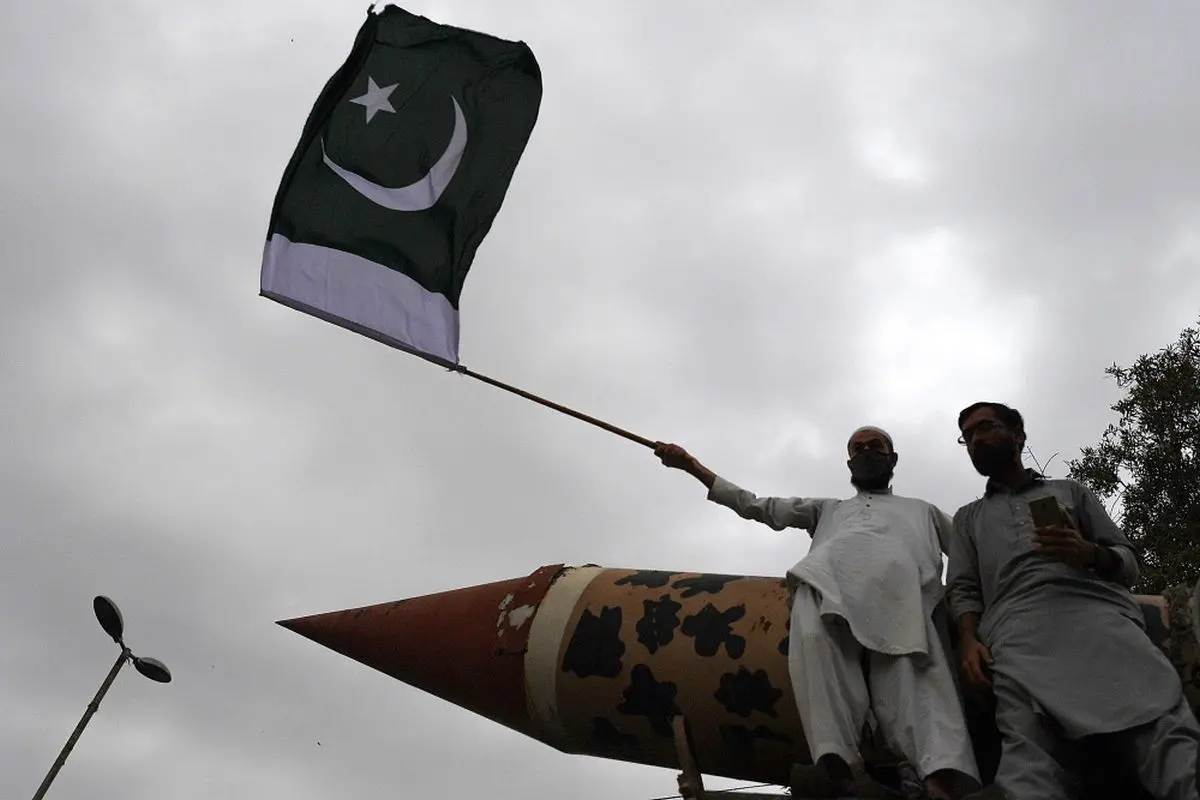
Pakistan built nuclear weapons to feel safe from India. But today, the same weapons might be making it less secure than ever before. The country that once celebrated becoming an atomic power is now discovering that nuclear weapons can be more of a burden than a blessing.
When Pakistan tested its nuclear bombs in 1998, millions celebrated on the streets. The country had joined an exclusive club. But celebrations don't pay bills, and nuclear weapons are expensive guests that never leave.
According to media reports, Pakistan spends nearly $2 billion every year just to maintain its nuclear arsenal. But what does "maintaining" nuclear weapons actually mean? Think of it like owning a very expensive, very dangerous car that you can never actually drive. You need highly trained mechanics (nuclear scientists and engineers) to check it constantly. The parts wear out and need replacement -- uranium fuel rods, electronic systems, safety equipment. The garage (nuclear facilities) needs round-the-clock security, special cooling systems, and backup power. You need insurance (safety systems) in case something goes wrong. And unlike a regular car, if you neglect maintenance even briefly, the consequences could be catastrophic. Every component, from the smallest circuit to the nuclear material itself, requires constant attention from some of the world's most expensive specialists.
What happens if a country can't afford proper maintenance? The results are terrifying. Nuclear material can leak, contaminating large areas for decades. Safety systems can fail, leading to accidents like Chernobyl. Weapons might not work when needed, making the entire investment worthless.
Worse still, poorly secured nuclear material could fall into the wrong hands – terrorist groups or criminal networks who would use it to threaten entire cities. Even a small amount of nuclear material in the wrong hands could create a "dirty bomb" that would make parts of major cities uninhabitable. This is why every nuclear expert's worst nightmare isn't nuclear war between countries -- it's nuclear weapons or materials from a failing state ending up with people who have nothing to lose.
To put this $2 billion in perspective, that's more money than the country spends on higher education. It's enough to build thousands of schools or hospitals. For a nation where millions lack clean drinking water, this seems like a strange priority.
The cost isn't just about money today -- it's about money Pakistan doesn't have. The country owes $125 billion to foreign lenders. That's like owing more than half of everything Pakistan produces in an entire year. Every dollar spent on nuclear weapons is a dollar not spent on fixing the economy.
When the Well Runs Dry
Nuclear weapons need more than money -- they need water. Lots of it. Pakistan's nuclear facilities require massive amounts of water to keep reactors cool and process uranium. But water is becoming Pakistan's biggest problem.
Most of Pakistan's nuclear facilities sit along the Indus River system. This river system provides water for drinking, farming, and industry. But the Indus is under stress. Climate change means less predictable rainfall. India, which controls the river's upper reaches, is building new dams and projects.
The 1960 Indus Water Treaty gave Pakistan rights to certain rivers. But treaties work only when both sides want them to work. As tensions rise between India and Pakistan, water has become a weapon. India can legally use its share of river water in ways that reduce flow to Pakistan.
Imagine this: Pakistan's nuclear facilities struggling to get enough water to operate safely. The country that built bombs to feel secure might find those same bombs becoming dangerous because there isn't enough water to cool them properly.
Federation That's Falling Apart
Pakistan isn't really one country -- it's four provinces trying to stay together. Punjab has most of the people and power. The other provinces -- Sindh, Balochistan, and Khyber Pakhtunkhwa -- often feel left out.
Balochistan has been fighting a low-level war against the central government for decades. The province has most of Pakistan's natural resources but sees little benefit. Sindh complains that Punjab takes its water and gives little back. Even in Khyber Pakhtunkhwa, people question why they should stay in a federation that doesn't serve them.
Nuclear weapons require strong central control. Someone needs to be clearly in charge of the bombs at all times. But what happens when provinces stop listening to the center? What happens when the country starts breaking apart?
Nuclear weapons were supposed to keep Pakistan together by making it strong. Instead, they might speed up its breakup by draining resources that could address real problems.
The International Headache
Pakistan's nuclear weapons don't just threaten India -- they worry the whole world. Unlike other nuclear powers, Pakistan sits in a region full of terrorist groups. The country has a history of nuclear scientists helping other nations build bombs.
If Pakistan becomes truly unstable, international powers will face a nightmare scenario. Loose nuclear weapons in a collapsing state would threaten global security. The world community might decide that securing Pakistan's nuclear arsenal is more important than respecting Pakistan's sovereignty.
This creates a trap for Pakistan. The weapons meant to guarantee independence might invite international intervention. The bombs built for security might bring foreign control.
Pakistan faces a choice that its leaders haven't wanted to acknowledge. The country can continue spending billions on nuclear weapons while its economy crumbles and provinces drift apart. Or it can chart a different course.
Consider what $2 billion annually could do if spent differently. It could modernize agriculture, build renewable energy infrastructure, or create millions of jobs. It could fund education programs that reduce extremism or healthcare systems that improve quality of life.
Some will argue that nuclear weapons guarantee Pakistan's survival. But survival means more than avoiding military defeat. A country where people lack basic necessities, where provinces want to leave, and where the economy depends on foreign bailouts isn't really surviving—it's just existing.
The Ironic Conclusion
Pakistan's nuclear journey started with a promise: these weapons would make the country safe forever. But today, they might be making Pakistan less safe than it was before.
The bombs that were supposed to protect Pakistan from external threats might be creating bigger internal threats. The weapons built to preserve the state might end up destroying it.
History is full of ironies. Pakistan's nuclear story might become the biggest irony of all—a country that built bombs to survive, only to discover that those bombs were slowly killing it from within.
The question isn't whether Pakistan can afford to keep its nuclear weapons. The question is whether it can afford not to rethink what true security means in the 21st century. Sometimes, real strength comes not from having the biggest weapons, but from building the strongest society.
For Pakistan, that moment of choice may be arriving sooner than anyone expects.
The author is a defence, aerospace & geopolitical analyst